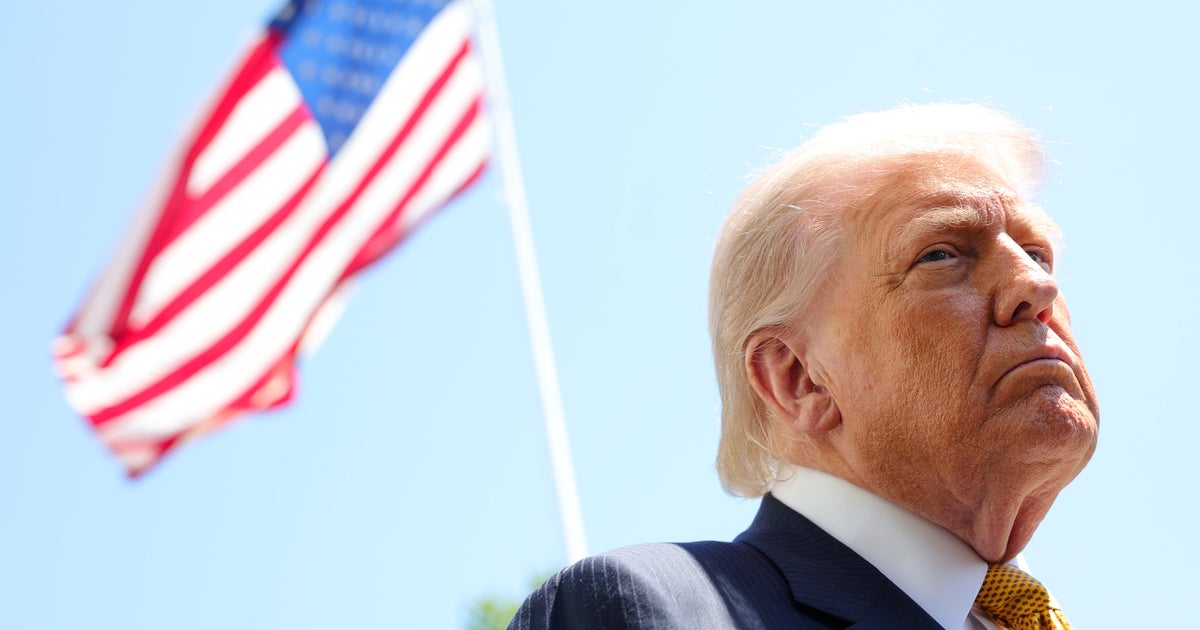
The Senate failed 49-50 to advance a resolution that would have limited President Trump's ability to use military force against Iran, marking the seventh Democratic attempt to constrain war powers. Three Republicans — Rand Paul, Susan Collins and Lisa Murkowski — voted with Democrats, with Murkowski shifting her stance after the 60-day War Powers deadline passed. The vote highlights ongoing uncertainty over U.S.-Iran policy and congressional authority, with potential implications for oil, defense and broader geopolitical risk.
The market implication is less about the immediate legal vote and more about the probability distribution of U.S. engagement broadening from a contained strike regime into a recurring escalation cycle. That raises the tail on energy, defense procurement, and logistics security premia, but it also makes the headline path more volatile: each incremental step toward congressional resistance increases the odds of a policy pause, while each failure emboldens the executive branch to preserve optionality. The most important second-order effect is that uncertainty itself becomes the signal for a higher geopolitical risk premium in oil and defense-related inputs, even without a new kinetic event.
For equities, the near-term winners are defense primes and select midstream names with direct exposure to security spending and Gulf routing risk. However, the longer-duration trade is in volatility rather than outright direction: if the administration continues to act under a broad Article II theory, the market will likely price a fatter tail for sudden strike/resume episodes over the next 1-3 months, supporting call-skew in crude, jet fuel, and defense names. Conversely, if Congress unexpectedly gains traction, the downside for oil is sharper than the upside because speculative positioning is likely already leaning on a risk-premium bid.
The consensus is probably underestimating how much this is a Senate signaling event rather than a binding policy constraint. That means the most mispriced outcome is not “war stopped,” but “more frequent, less predictable policy shocks,” which is negative for airlines, consumer discretionary, and industrial cyclicals via fuel and insurance costs. The contrarian edge is that the administration’s broad authority argument may actually suppress immediate escalation risk in the next few weeks while keeping the medium-term premium elevated, a setup that favors owning optionality over directional cash equity exposure.
AI-powered research, real-time alerts, and portfolio analytics for institutional investors.
Request DemoOverall Sentiment
neutral
Sentiment Score
-0.05
