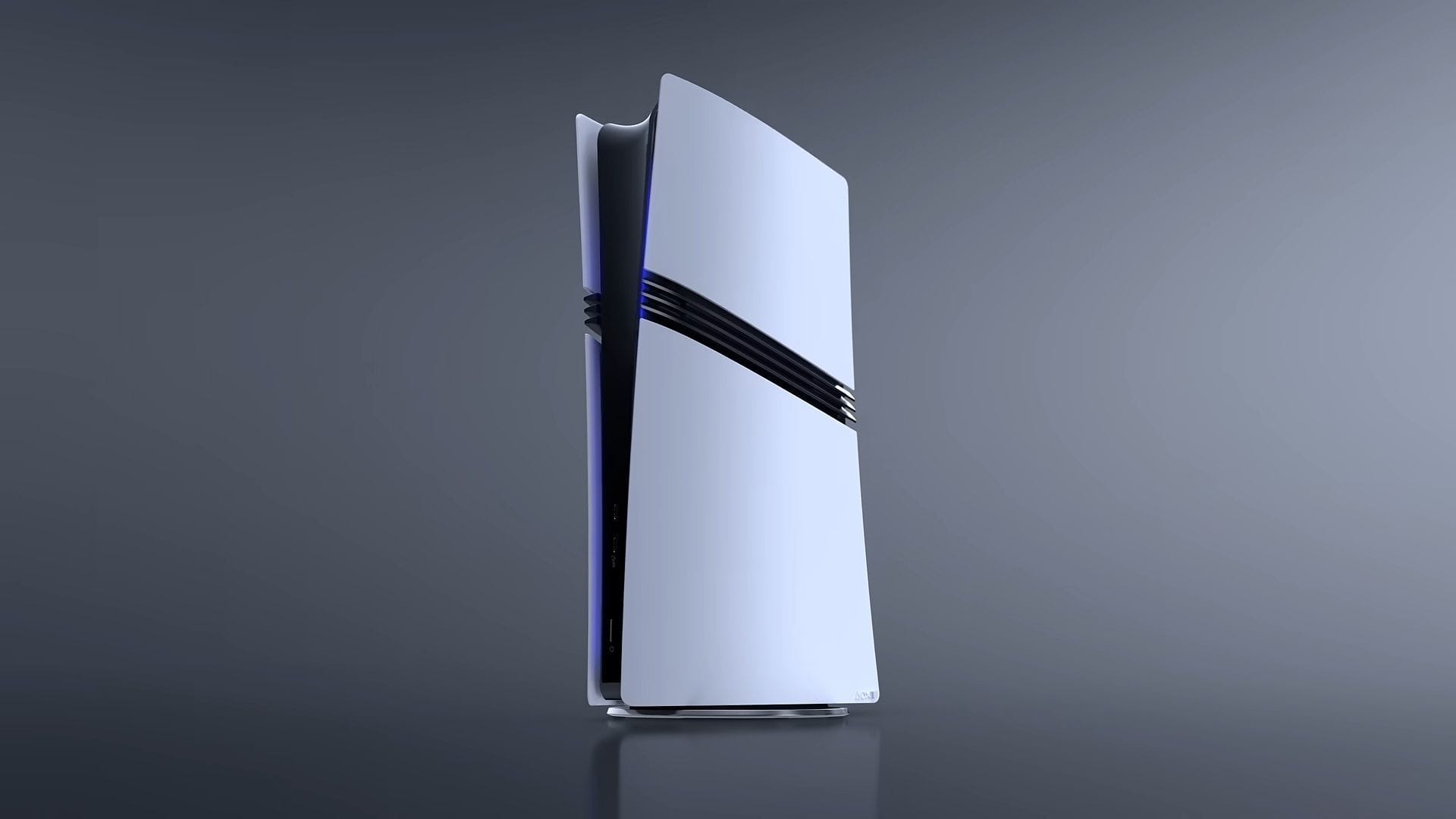
Leaked specs for Sony's next-gen PS6 'Orion' indicate a 3nm AMD semi-custom SoC with 10 CPU cores (8x Zen6c + 2x Zen6 LP), 54 RDNA5 CUs, a 160-bit GDDR7 memory bus using 32Gbps modules (30GB total via clamshell) for ~640 GB/s, a 280 mm² die and a 160W total TDP. Performance targets are ~2.5–3.0x PS5 raster performance and ~6–12x ray-tracing compute; MLID suggests true next-gen titles could target 4K@120Hz using FSR4/PSSR and frame-generation. Mass manufacturing is expected mid-2027 with a fall 2027 launch.
The OEM win implicit in this next-gen console cycle is a multi-year structural revenue and ASP lever for the chosen silicon partner: semi-custom design wins translate into outsized gross-margin dollars versus commodity GPU sales because of guaranteed volume, software optimization leverage, and attach-rate monetization for services. The foundry that secures advanced-node production benefits from a demand waterfall that compresses lead times and supports sustained pricing power, but that same concentration creates a single-point-of-failure for consoles if yield or policy shocks occur.
A key second-order effect is the memory and subsystem ecosystem — higher-clock graphics memory and denser BOMs magnify volatility in component suppliers’ top lines and create timing mismatches: memory price spikes or packaging bottlenecks can delay shipments and shift margin to ODMs or distributors. Developer adoption curves for hardware-heavy features (real-time lighting, frame-generation dependent upscaling) will determine how much of the SoC’s theoretical performance converts to consumer-perceived value; that adoption is measured in quarters-to-years, not weeks.
Main downside catalysts are a delayed or underperforming yield ramp, persistent component shortages raising console ASPs and reducing unit demand, or trade/export curbs that bifurcate supply chains. Conversely, clearer dev toolkits and early exclusive titles that showcase new capabilities would compress adoption risk and re-rate the hardware supplier’s forward multiple within 12–24 months.
AI-powered research, real-time alerts, and portfolio analytics for institutional investors.
Overall Sentiment
mildly positive
Sentiment Score
0.25
Ticker Sentiment
