



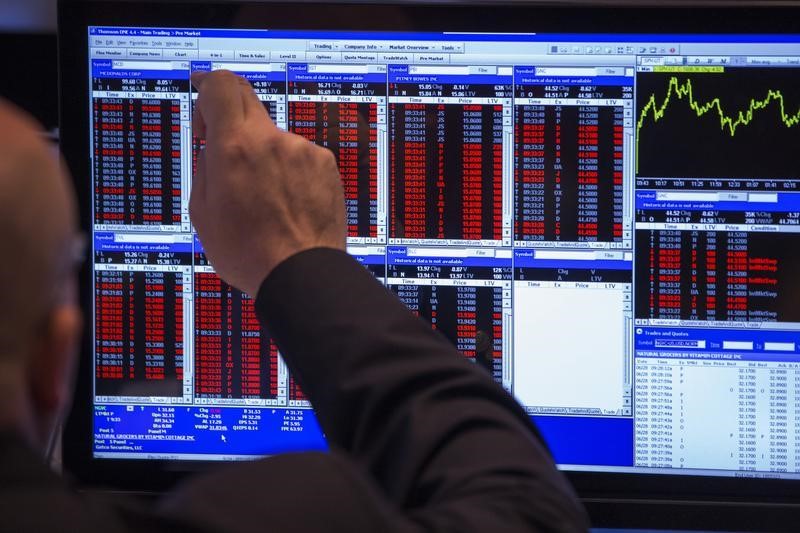
The AEX rose 0.75% to a new 1-month high, with BE Semiconductor Industries up 5.36% to an all-time high and Adyen adding 3.78%. Energy names lagged as Shell fell 2.68%, while crude oil dropped 6.61% to $92.53 and Brent fell 3.82% to $95.56, signaling softer commodity and energy pricing. The move was supported by healthcare, consumer goods and technology strength, alongside a stable EUR/USD at 1.18.
The cleanest read-through is not “lower oil = lower energy,” but a regime shift in cross-asset positioning. A fast reversal in geopolitical supply fear typically removes the volatility premium faster than it compresses spot, which means the first beneficiaries are the stocks that were most levered to fear rather than to realized crude. That makes defensives and duration-sensitive growth/quality names more attractive on a 1-4 week horizon, while the energy complex likely underperforms until the market is convinced the corridor risk is structurally lower.
SHEL looks vulnerable because integrated oils usually lag the first leg of a selloff when downstream margin support is not enough to offset upstream beta. If the blockade narrative cools further, the market will start pricing in a lower forward strip and weaker buyback optics, which is worse for the group than for pure refiners. The second-order effect is on European cyclicals: cheaper energy is a tax cut for the region, but the immediate winner is companies with high non-energy cost bases and little commodity exposure, not necessarily the headline indices.
The contrarian risk is that this is a headline-driven air pocket, not a durable de-escalation. If peace talk progress stalls, crude can gap back higher quickly because the market has already shown it still prices a meaningful tail risk premium; that makes short energy tactically attractive only with tight risk. In contrast, margin-sensitive consumer and healthcare names have better asymmetry because their rerating can persist even if crude partially rebounds, as long as inflation expectations stay contained.
From a factor standpoint, falling oil plus stable FX is supportive for long quality/growth versus value/energy, and also tends to relieve pressure on Europe’s small- and mid-cap domestic names. The move in tech is likely more about lower discount-rate and input-cost optics than direct sector earnings revision, so the higher-beta semis/AI beneficiaries should work only if risk appetite remains broad and not just a one-day short-covering move.
AI-powered research, real-time alerts, and portfolio analytics for institutional investors.
Request TrialOverall Sentiment
mildly positive
Sentiment Score
0.15
Ticker Sentiment
