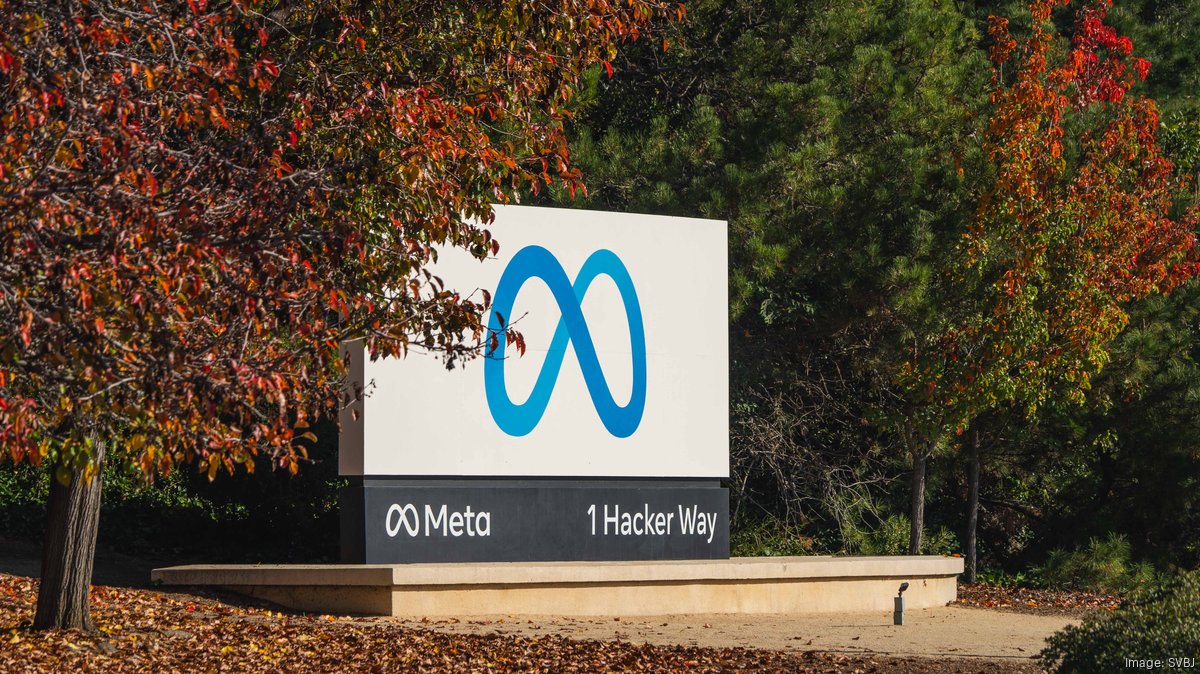
Meta laid off 1,395 employees in Washington, part of a broader 10% workforce reduction and nearly 2,000 jobs cut in the state since October. Nearly one-third of the affected staff were software engineers focused on AI, even as Meta is shifting resources toward AI and closing 6,000 open roles. The cuts underscore continued restructuring and cost discipline while the company ramps AI investment.
This reads less like a cost-cutting event and more like an internal labor reallocation into a capital-intensive AI arms race. The first-order margin benefit from headcount reduction is real, but the second-order effect is that Meta is converting a large portion of its most flexible opex into near-term capex and high-burn talent spend, which can keep free cash flow under pressure even as reported operating expense growth slows. That matters because the market often rewards “efficiency” headlines before it fully prices the follow-on increase in depreciation, infrastructure leases, and cloud/compute dependency.
The more interesting competitive angle is regional labor supply. By shedding AI-adjacent engineers while OpenAI, xAI, Anthropic, and data-center operators expand locally, Meta may be feeding a tighter external labor market for the exact skills it still needs over the next 12-24 months. That can raise wage inflation and increase poaching risk for the rest of the Washington tech ecosystem, especially firms with similar compensation bands but weaker brand gravity. In other words, the layoff is not just about reducing cost; it may inadvertently improve the hiring power of rivals and suppliers that are still in growth mode.
Near term, the stock can bounce if investors focus on margin preservation, but the bigger catalyst is whether AI monetization shows up fast enough to justify the capex trajectory. If product signals lag over the next 1-2 quarters, the market is likely to shift from applauding workforce rationalization to questioning whether Meta is over-investing into a crowded infrastructure buildout. The main contrarian point: this is not obviously bullish for returns on capital, because the company is cutting people while simultaneously competing in a bidding war for compute, model talent, and platform mindshare.
AI-powered research, real-time alerts, and portfolio analytics for institutional investors.
Request DemoOverall Sentiment
strongly negative
Sentiment Score
-0.55
Ticker Sentiment
