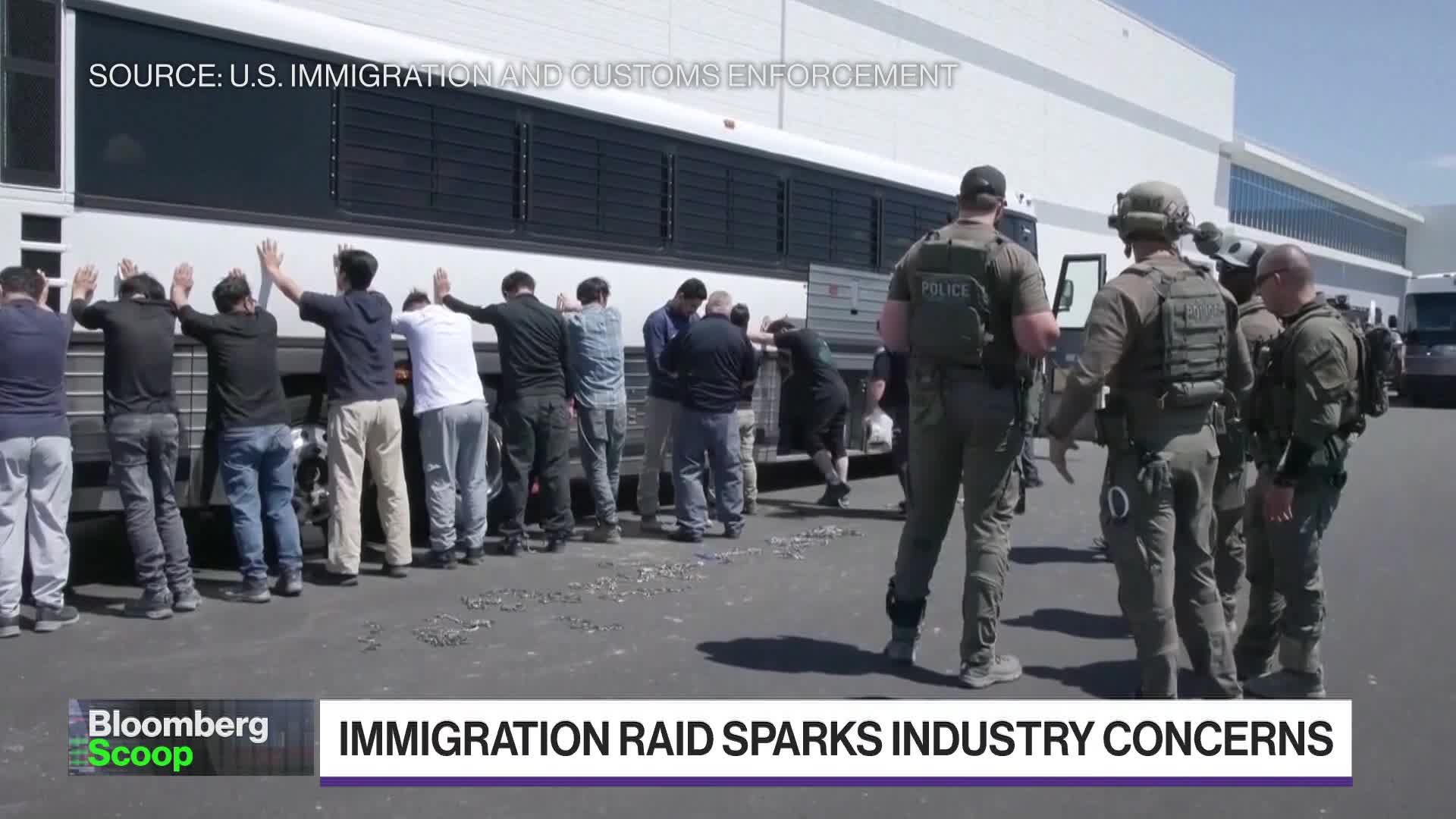
Construction of the Hyundai Motor Co.-LG battery plant in Georgia is facing delays due to labor shortages, exacerbated by a recent US immigration raid on Hyundai Construction. This development not only impacts the project's timeline and the companies' investment strategies but also introduces potential friction into the economic and diplomatic relations between South Korea and the United States.
Construction of the joint Hyundai Motor Co.-LG battery plant in Georgia is facing significant delays, directly attributed to labor shortages that have been exacerbated by a U.S. immigration raid. This development introduces a material execution risk to a strategic project that is crucial for both companies' electric vehicle roadmaps in North America, potentially disrupting future production schedules and capital expenditure efficiency. The incident transcends a simple operational issue, spotlighting the regulatory and labor-related complexities inherent in large-scale foreign direct investment within the U.S. manufacturing sector. Furthermore, the raid on a project involving major South Korean conglomerates introduces a potential point of friction in U.S.-South Korea economic relations, adding a layer of geopolitical uncertainty to strategic supply chain partnerships.
AI-powered research, real-time alerts, and portfolio analytics for institutional investors.
Request DemoOverall Sentiment
moderately negative
Sentiment Score
-0.55
