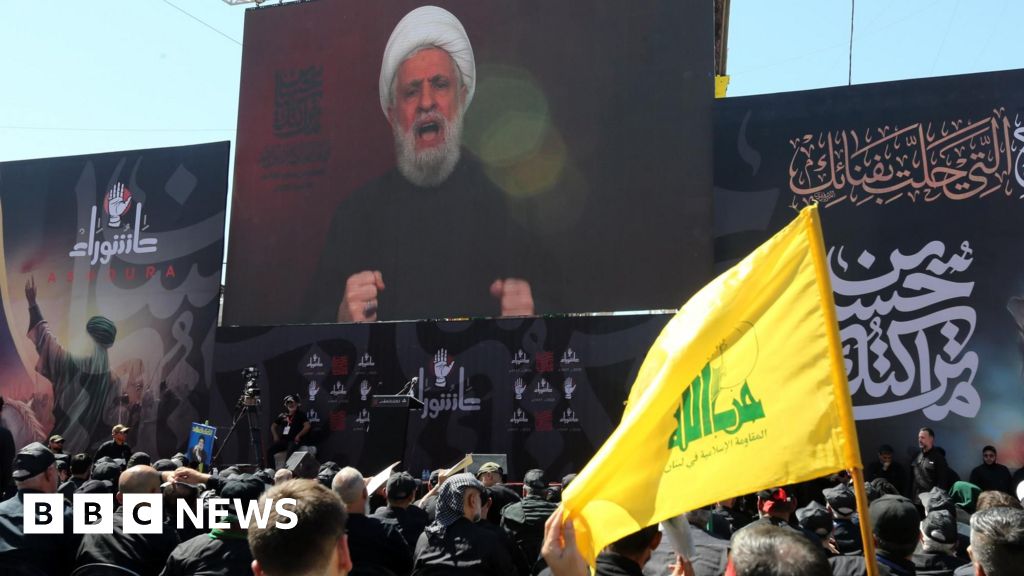
Israeli air strikes in Lebanon's eastern Bekaa Valley killed 12 people, marking the deadliest such incident since a ceasefire ended a year of conflict with Hezbollah. Israel stated it targeted military compounds of Hezbollah's elite Radwan Force, asserting the group violated ceasefire terms by re-establishing capabilities and storing weapons, which poses a future threat. This action, despite the ceasefire based on UN Security Council Resolution 1701, signals a significant escalation and Israel's readiness for "maximum force," raising concerns about regional stability and the durability of the current truce.
Israeli air strikes in Lebanon's Bekaa Valley, resulting in 12 fatalities, mark the most severe military escalation since the November ceasefire agreement. The Israel Defense Forces (IDF) stated the operation targeted military compounds of Hezbollah's elite Radwan Force, framing it as a response to the group's efforts to re-establish capabilities in a manner that violates UN Security Council Resolution 1701. This action, coupled with a statement from Israel's Defence Minister threatening "maximum force" against any military rebuilding, demonstrates a shift towards a proactive and aggressive security posture. The event materially undermines the stability of the US-brokered truce, which is already strained by incomplete implementation from both sides, including Israel's maintained military presence at five sites in southern Lebanon. The absence of an immediate official comment from Hezbollah introduces significant near-term uncertainty, elevating regional tensions and validating the high market impact score (0.7) associated with the event.
AI-powered research, real-time alerts, and portfolio analytics for institutional investors.
Request DemoOverall Sentiment
strongly negative
Sentiment Score
-0.70
