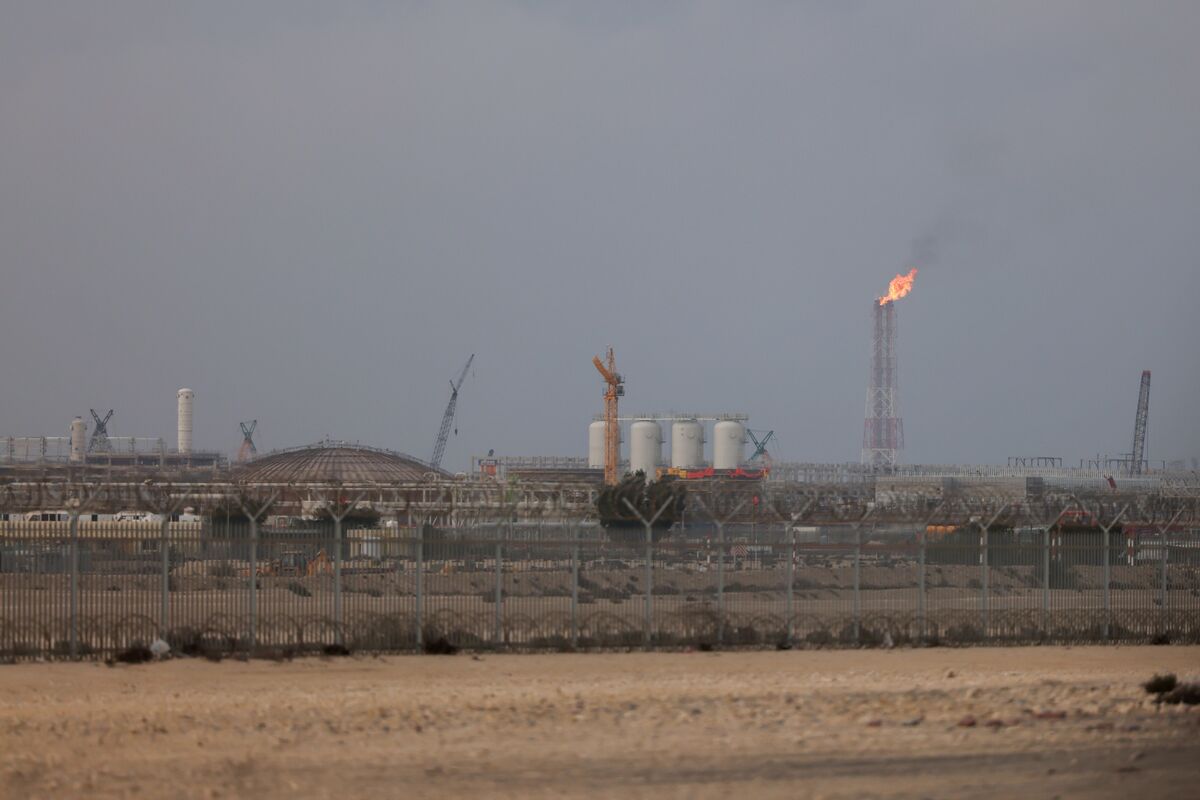
Key event: sustained conflict around Iran has driven surging oil prices and materially damaged regional energy infrastructure — a major Qatari gas plant was hit and is expected to take years to repair. Gregory Brew (Eurasia Group) warns the U.S. may have walked into a 'strategic trap' with no easy exit, implying prolonged disruption and upside risk to oil and gas prices. Expect risk-off positioning in energy-exposed assets and elevated sector volatility until a clear de‑escalation or repair timeline emerges.
Regional energy insecurity is re-pricing a multi-year floor under hydrocarbon and LNG pricing, not just a short-term spike. The market is already trading the probability of prolonged under-investment in upstream capex and project delays — which mechanically raises break-even prices for marginal supply by $10–15/bbl for oil and by 20–40% for marginal LNG cargo economics over the next 12–36 months.
Second-order supply-chain effects are concentrated: shipping/insurance frictions will keep voyage costs and time-charters elevated, compressing refinery and petrochemical margins unevenly (complex refiners with light-sweet feedstocks win vs heavy crude processors). Fertilizer producers that use natural gas as feedstock will face margin squeeze and inventory drawdowns, creating a lagged inflation impulse into agriculture that could keep commodity chains tight into the next planting season.
Near-term catalysts that could flip the tape are obvious but binary — diplomatic de-escalation, a coordinated SPR/LNG release, or a sudden production restart in a major exporter would collapse risk premia within weeks; conversely, credible further strikes against energy infrastructure or an expansion of maritime interdiction would extend the premium for years. Position sizing should therefore treat an elevated price regime as the baseline but assume high volatility and non-linear event risk; plan exits at both policy-response thresholds and seasonal demand pivots (spring maintenance window for refineries, Northern Hemisphere winter demand peak).
AI-powered research, real-time alerts, and portfolio analytics for institutional investors.
Overall Sentiment
mildly negative
Sentiment Score
-0.35
Ticker Sentiment
