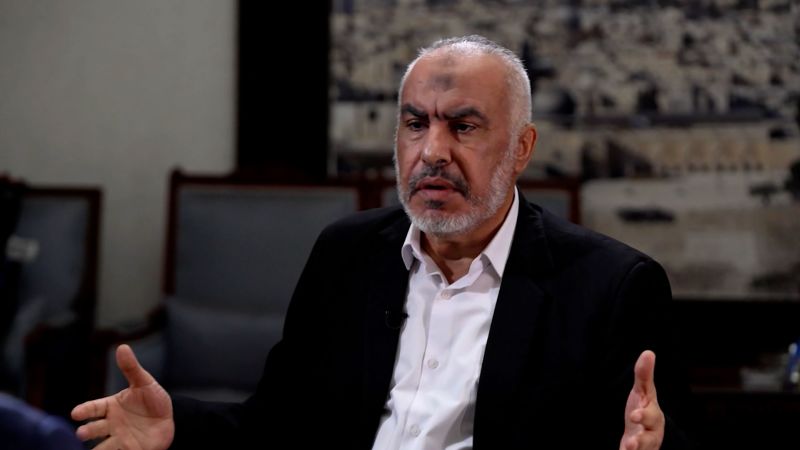
A key Hamas negotiator, Ghazi Hamad, affirmed the group's unapologetic stance on the October 7 attack, viewing it as justified and beneficial for the Palestinian cause despite the significant civilian toll. He indicated that ceasefire negotiations are "frozen" due to Israeli actions and that Hamas remains unwilling to alter its core positions, including disarmament. Hamad also voiced profound distrust in US mediators, accusing them of bias, and confirmed that Hamas leadership no longer feels secure in Doha. This interview underscores an entrenched conflict with no clear de-escalation path, suggesting continued regional instability and persistent geopolitical risk premiums for investors.
The interview with Hamas negotiator Ghazi Hamad signals a significant hardening of the group's stance and a low probability of a near-term ceasefire, reinforcing a strongly negative geopolitical outlook. Hamad's unapologetic framing of the October 7 attack as a strategic success for the Palestinian cause, despite the subsequent death of over 65,000 Palestinians, indicates that Hamas perceives no incentive to alter its core positions, including its refusal to disarm. His characterization of negotiations as 'frozen' and his profound distrust of US mediation—accusing American negotiators of having 'lost their credibility'—effectively removes the primary channel for a diplomatic resolution. Furthermore, the explicit acknowledgment that Hamas leadership no longer feels safe in Doha suggests a breakdown of established backchannels and an increase in operational unpredictability. This combination of ideological entrenchment and diplomatic collapse points toward sustained regional instability, justifying the market's pricing of a persistent geopolitical risk premium.
AI-powered research, real-time alerts, and portfolio analytics for institutional investors.
Request DemoOverall Sentiment
strongly negative
Sentiment Score
-0.70
