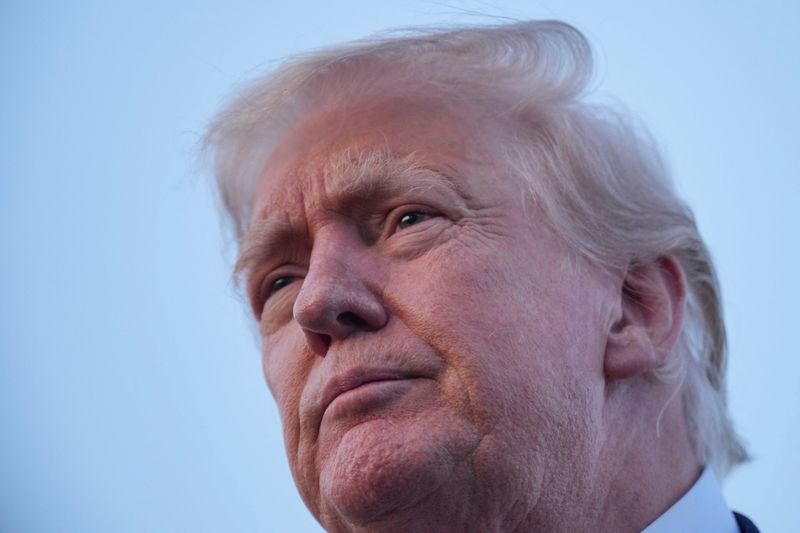
President Trump has announced new tariffs effective October 1, including a 100% levy on imported branded pharmaceutical products, alongside duties on heavy trucks, kitchen fittings, and upholstered furniture. Crucially, the pharma tariff includes a significant exemption for companies establishing U.S. manufacturing facilities, leading analysts to largely conclude that the actual financial impact on major pharmaceutical firms will be limited due to existing or planned domestic production, effectively tempering the bellicose rhetoric with a practical incentive for U.S. investment in critical industries.
The Trump administration has announced a 100% tariff on imported branded pharmaceutical products, set to take effect on October 1. However, Wall Street analyst consensus suggests the material impact on major pharmaceutical companies will be minimal to non-existent. The policy includes a critical exemption for any firm that is building or has broken ground on manufacturing facilities in the U.S. This 'escape clause' effectively neutralizes the tariff's threat for large players such as Merck (MRK), Bristol-Myers Squibb (BMY), Eli Lilly (LLY), Pfizer (PFE), AbbVie (ABBV), and Johnson & Johnson (JNJ), all of which have already announced significant U.S. manufacturing investments. While an estimated 60% of pharmaceutical imports could theoretically be subject to the levy, the combination of these broad exemptions and likely inventory front-running by importers is expected to result in a small effective tariff rate. This policy appears to follow a pattern, similar to actions taken with the semiconductor industry, where aggressive rhetoric is used to incentivize domestic production in critical sectors rather than to enact genuinely punitive measures, turning a headline risk into what analysts at Jefferies term a 'win for Pharma'.
AI-powered research, real-time alerts, and portfolio analytics for institutional investors.
Overall Sentiment
mildly positive
Sentiment Score
0.25
Ticker Sentiment
