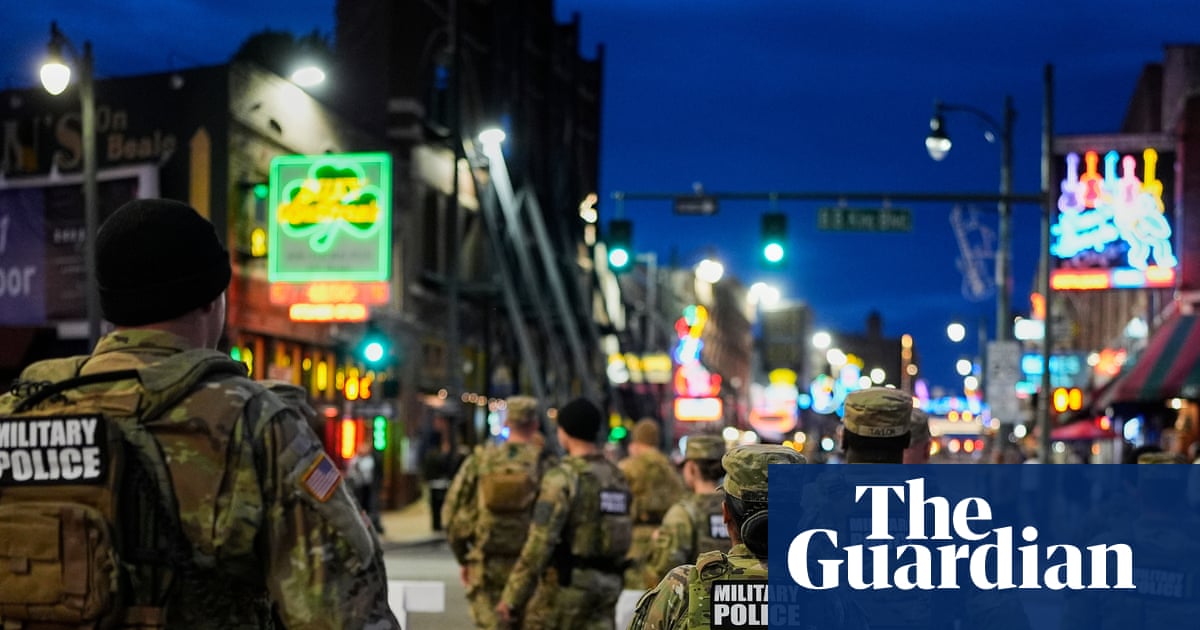
The article centers on a lawsuit alleging that the Trump-ordered Memphis anti-crime taskforce used intimidation, excessive force, and retaliatory surveillance against community observers, including a claimed false arrest and revocation of Global Entry status. The ACLU says officers weaponized Tennessee's Halo law to push witnesses away from scenes, while officials continue to tout more than 7,000 arrests, 1,000 guns seized, and over 150 missing children reunited. The piece is primarily political and legal in nature, with limited direct market impact.
This is less a public-safety story than a governance-and-process risk story: once an enforcement campaign becomes legally contestable, the marginal cost of operating it rises sharply because every stop, arrest, and perimeter rule now carries discovery risk. That creates second-order drag on the taskforce’s effectiveness: officers will either self-censor, widen buffers, and reduce visible enforcement intensity, or lean harder into aggressive tactics and feed the litigation record. Either path is bad for the political objective because the initiative’s legitimacy premium is now being consumed by procedure.
The more interesting implication is for state/federal co-branding. If a state-level anti-crime push is perceived as importing federal muscle in ways that chill observers, the reputational spillover lands on the broader law-and-order agenda, not just Memphis. That raises the odds of compliance erosion in other cities considering similar deployments, and it gives civil-liberties groups a template to challenge future taskforces before they scale. The legal overhang likely persists for months, while any operational pullback could happen within days if commanders see body-cam footage or declarations becoming courtroom evidence.
Consensus may be underestimating the political asymmetry: headline crime reductions can coexist with rising legal exposure, and those exposures tend to compound. If the suit gains traction, the downside is not only damages; it is injunction risk, narrowed authority under the Halo statute, and higher supervision costs for any expansion of similar programs. The market takeaway is that enforcement-led public-safety initiatives now face a higher litigation beta, which makes their durability more fragile than the political narrative suggests.
AI-powered research, real-time alerts, and portfolio analytics for institutional investors.
Request TrialOverall Sentiment
moderately negative
Sentiment Score
-0.35
