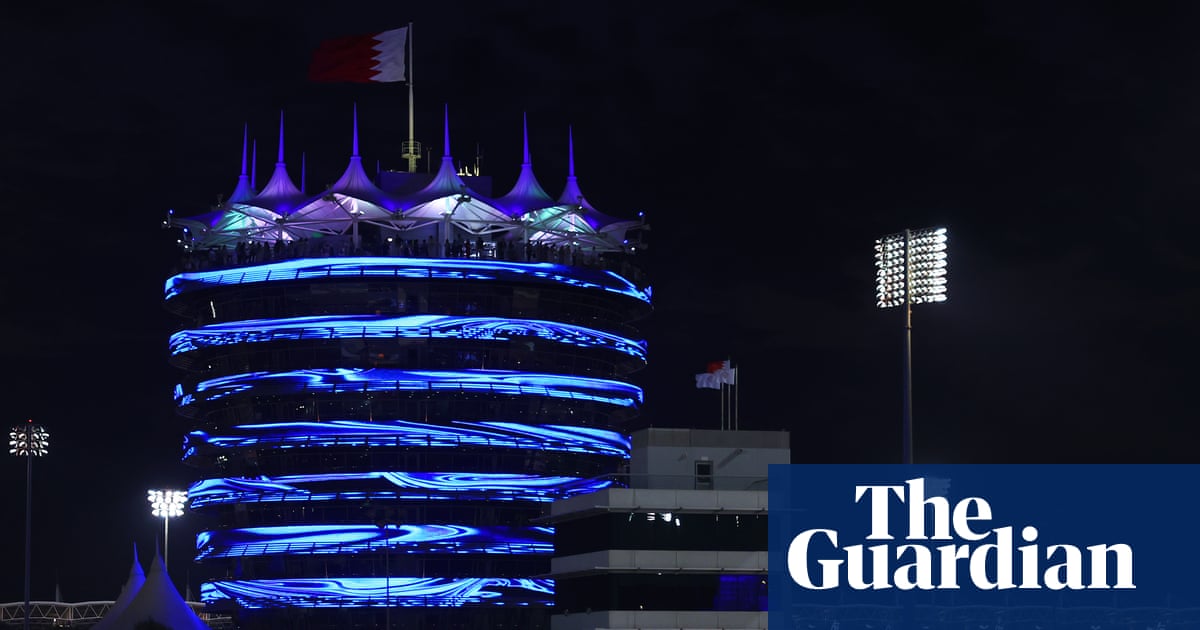
Formula One has cancelled the Bahrain (12 Apr) and Saudi Arabia (19 Apr) grands prix due to the Middle East war; the championship is now likely to run 22 events. Freight is already stuck in Bahrain and the Sakhir circuit is ~32 km from a US base that has been targeted, creating a five-week gap between Japan (29 Mar) and Miami (3 May) and complicating logistics and short‑notice venue replacements.
The organizers’ P&L and near-term guidance are the most levered to this shock: removing two early-season events effectively pulls forward a discrete chunk of live-event revenue, hospitality margin and localized sponsorship activation into a later or non-existent bucket. Expect an earnings-air pocket over the next 30-90 days as managements (and advertisers) re-price annual revenue and hospitality inventories; market reaction will be driven more by guidance changes than by long-run subscriber metrics.
Logistics creates a jagged-cost cycle. Specialized charters and bespoke freighting for race equipment produce lumpy working-capital demands when repositioning is required; teams and vendors will either absorb extra lease/charter charges now or face higher spot rates later when ramps occur. This amplifies volatility for air-cargo integrators and niche freight-forwarders over a 1-3 month horizon and creates a small window for margin recapture once operations normalize.
Competitive dynamics inside the paddock tilt toward better-funded engineering houses: an extended development lull concentrates the value of capitalized R&D and factory updates, effectively widening the performance gap into the next visible race. That “development runway” is a structural advantage for teams with deeper technical benches and faster iteration cycles and will show up in on-track performance metrics by the May race, shifting revenue flows tied to prize and sponsor performance clauses.
Key reversals: a rapid de-escalation in the region, successful alternative-venue bids with pre-funded logistics, or a material insurance payout would truncate the downside for organizers quickly (days-to-weeks). Conversely, protracted geopolitical risk or further schedule hits would compress annual event revenue and raise renewal negotiations for sponsorships and broadcast fees over 6–12 months.
AI-powered research, real-time alerts, and portfolio analytics for institutional investors.
Request DemoOverall Sentiment
mildly negative
Sentiment Score
-0.25
Ticker Sentiment
