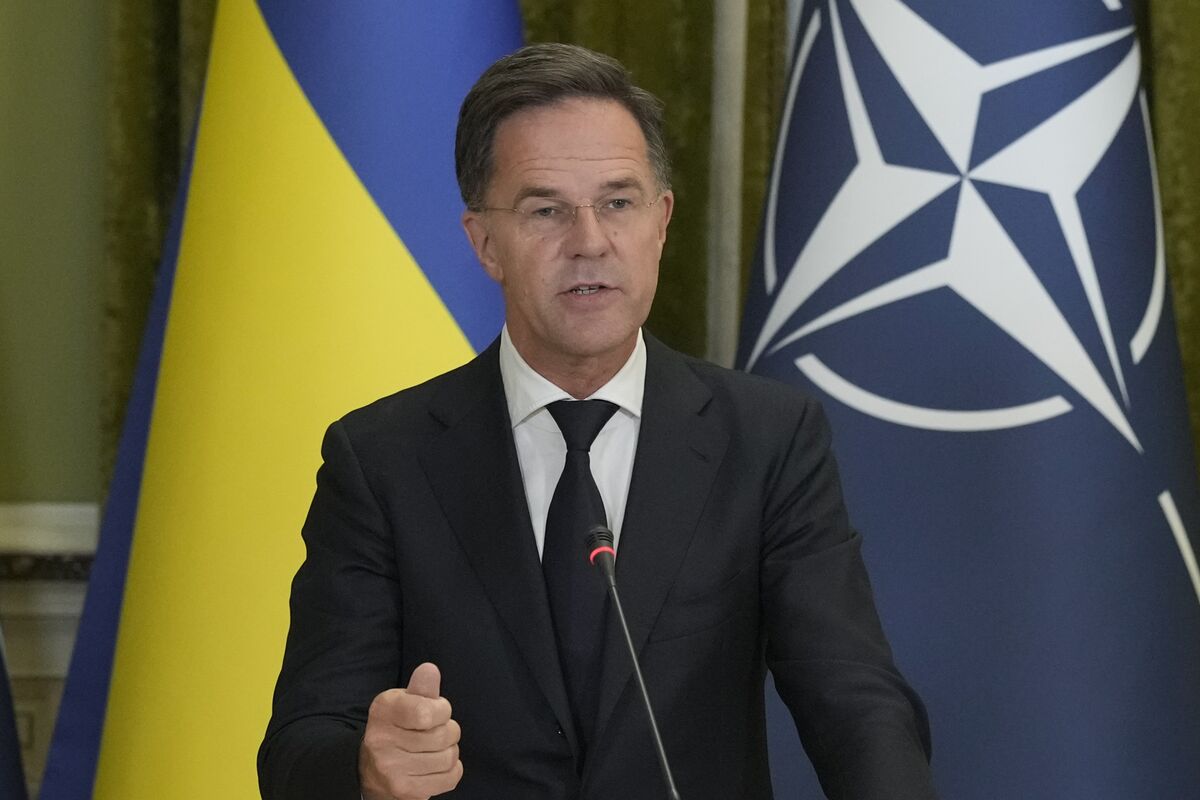
Slovak Prime Minister Robert Fico's recent meeting with Russian President Vladimir Putin highlights existing divisions within the European Union concerning Ukraine. This engagement, following Putin's prior high-profile meetings with leaders like Donald Trump, Xi Jinping, and Narendra Modi, underscores Russia's continued presence on the global diplomatic stage. For investors, these internal EU rifts and Russia's broader diplomatic activity are key indicators for assessing geopolitical risk and potential shifts in European policy.
The recent meeting between Slovak Prime Minister Robert Fico and Russian President Vladimir Putin serves as a significant indicator of emerging divisions within the European Union's strategy on Ukraine. This bilateral engagement, following Putin's high-profile interactions with other global leaders such as China's Xi Jinping, India's Narendra Modi, and a stated meeting with Donald Trump, highlights a potential fracturing of the EU's unified political front. While the event carries a low immediate market impact score of 0.25, its primary relevance for investors lies in the geopolitical domain. The willingness of an EU member state's leader to engage directly with Putin at this level could foreshadow challenges in maintaining consensus on sanctions and other collective actions, introducing a layer of policy uncertainty and political risk for European economic and political stability.
AI-powered research, real-time alerts, and portfolio analytics for institutional investors.
Request DemoOverall Sentiment
neutral
Sentiment Score
0.00
