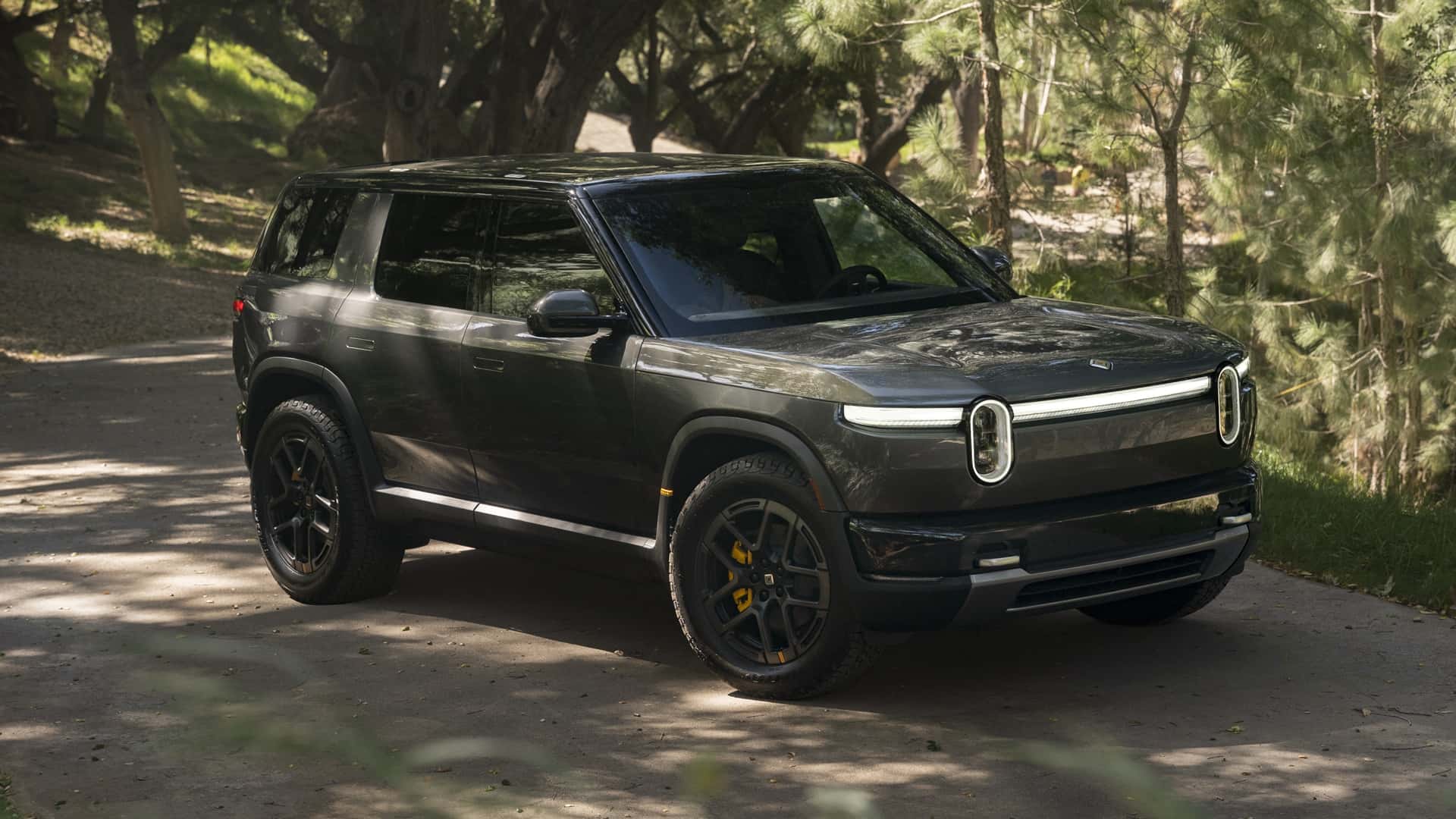
Rivian will begin inviting customers to configure R2 orders on June 9, with first deliveries starting the same day and delivery timing estimated at 2 to 6 weeks after ordering. The company says only the Launch Edition is available initially, while Premium and Standard trims are slated for late 2026 and 2027, and as many as 25,000 R2 deliveries are planned for 2026. The update supports Rivian’s mass-market launch timeline and signals meaningful near-term production and demand execution.
This is less about one launch and more about whether Rivian can convert latent demand into a repeatable delivery flywheel. The sequencing matters: when a company moves from reservation theater to configuration and near-term handoff, the market stops valuing optionality and starts pricing execution, which is where small misses get punished most. The 2-6 week delivery window is constructive because it compresses the cash-conversion cycle and should pull forward working capital relief if logistics and quality hold. The bigger second-order read-through is competitive positioning in the premium EV SUV segment. A credible, fast launch at a sub-$60k entry point can pressure Tesla’s Model Y pricing power at the margin and make it harder for legacy EV crossovers to justify inferior software or charging ecosystems. That said, the release is deliberately staged to protect scarcity and manage manufacturing learning curves, which means the true test is not first deliveries but whether Rivian can sustain cadence into late summer without warranty, panel-gap, or software regressions becoming a social-media drag. The market may be underestimating the trim mix risk. Early Launch Edition demand can look strong even if the eventual mass-market mix is softer, and the delay of lower trims to 2026-27 suggests Rivian is still leaning on higher ASPs to support margins. If reservation holders wait for unavailable colors or feature sets, the company gets time, not canceled demand — bullish for order book durability, but it also delays the moment of truth on addressable market breadth. The main tail risk is execution leakage in the first 30-60 days: any slippage in delivery timing, quality issues, or a weak demo-drive-to-order conversion rate would likely compress the multiple quickly because expectations are now anchored to imminent fulfillment. Longer term, the real catalyst is not the launch itself but whether Rivian can turn this into a credible 2026 volume ramp and prove it can scale without diluting gross margin through expedites, rework, or incentive creep.
AI-powered research, real-time alerts, and portfolio analytics for institutional investors.
Request DemoOverall Sentiment
mildly positive
Sentiment Score
0.42
Ticker Sentiment
