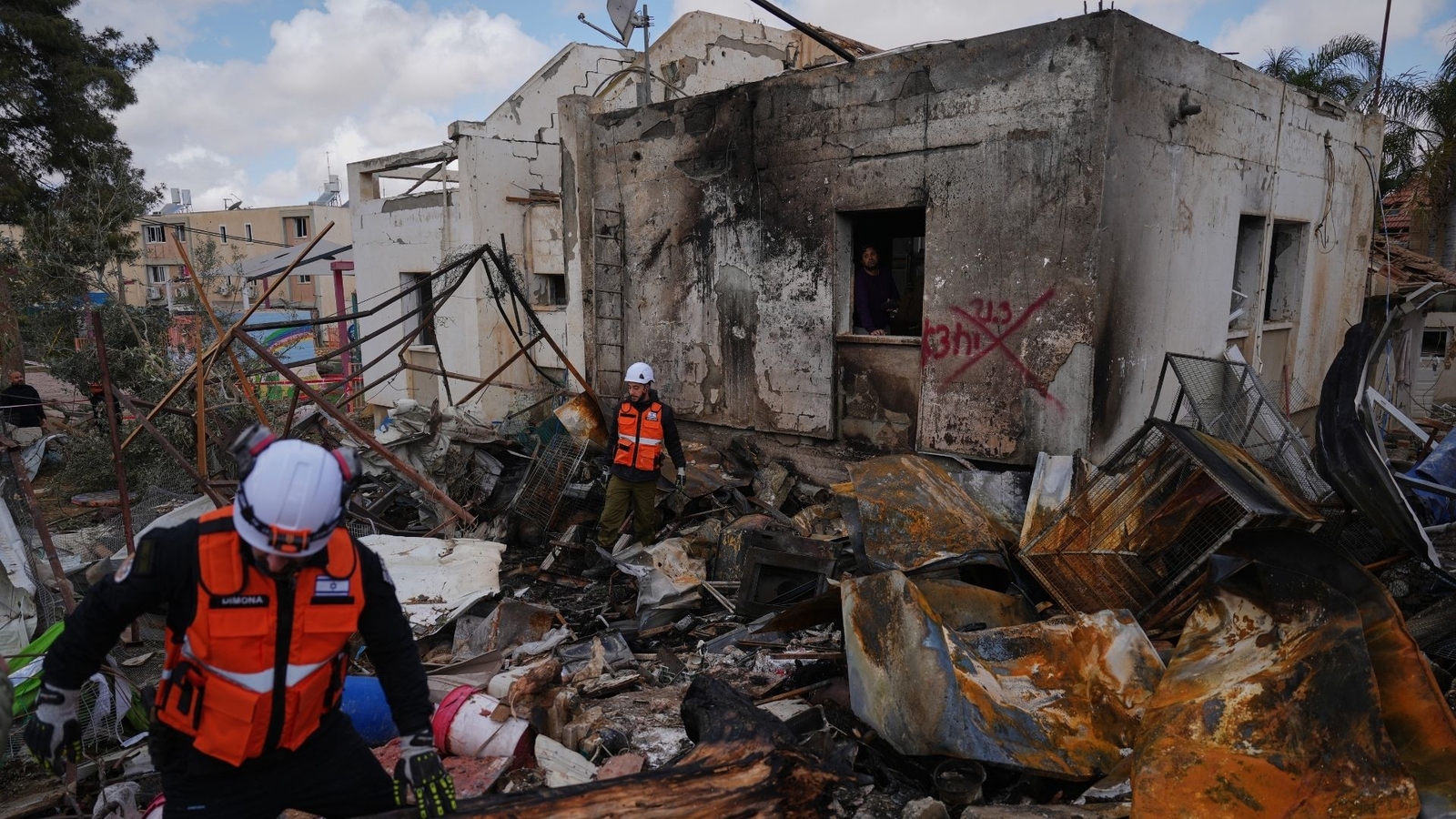
Iran and Hezbollah escalated strikes on Israel and other regional targets while Iran has effectively closed the Strait of Hormuz, threatening roughly 20% of seaborne global oil flows and halting nearly all tankers. The confrontation has killed hundreds (Iran toll >1,500 reported) and prompted regional infrastructure targeting threats, causing supply disruptions and surging oil-driven inflationary pressure; US sanctions relief on Iranian oil at sea was implemented to ease energy markets. Portfolio implication: heightened risk-off sentiment, potential material upside to oil prices and commodity volatility, and increased tail-risk to global supply chains and energy-dependent sectors if strikes on energy/desalination infrastructure continue or broaden.
Closure of the Strait of Hormuz and the rapid shift to longer routing is an outsized supply-chain shock to seaborne crude and refined-product logistics: expect VLCC/AFRA spot freight to jump and time-charter rates to reprice over the next 2–12 weeks, effectively tightening deliverable crude capacity even if physical production remains unchanged. This creates an earnings lever for listed tanker owners and short-cycle producers (US shale) who can ramp cash flow within months, while refiners with constrained crude access face feedstock distortions that compress gasoline/diesel yields regionally.
Defense and infrastructure names should see a sustained risk premium: contractors and niche cyber/OT security firms trade technical service and spare-part annuities that extend for years after initial kinetic escalations, implying 6–24 month revenue visibility upgrades even if kinetic activity moderates. Conversely, commercial aviation, global supply-chain logistics (air/sea integrators) and energy-intensive EM manufacturers will see margin squeezes; insurance/reinsurance players face rising NatCat and political-risk claims that can crystallize within weeks and persist for quarters.
Key catalysts to watch are (1) diplomatic openings that restore Hormuz traffic within 48–96 hours, capping energy upside; (2) a deliberate US campaign targeting Iranian infrastructure, which would broaden target sets and materially increase duration to months–years; and (3) market-implied spare capacity from Saudi/US SPR releases, which is the single most likely dampener on a long oil tail. The consensus risk-off trade (broad energy longs) is directionally correct but duration-sensitive — position sizing and explicit tail hedges matter more than outright leverage.
AI-powered research, real-time alerts, and portfolio analytics for institutional investors.
Request DemoOverall Sentiment
strongly negative
Sentiment Score
-0.85
