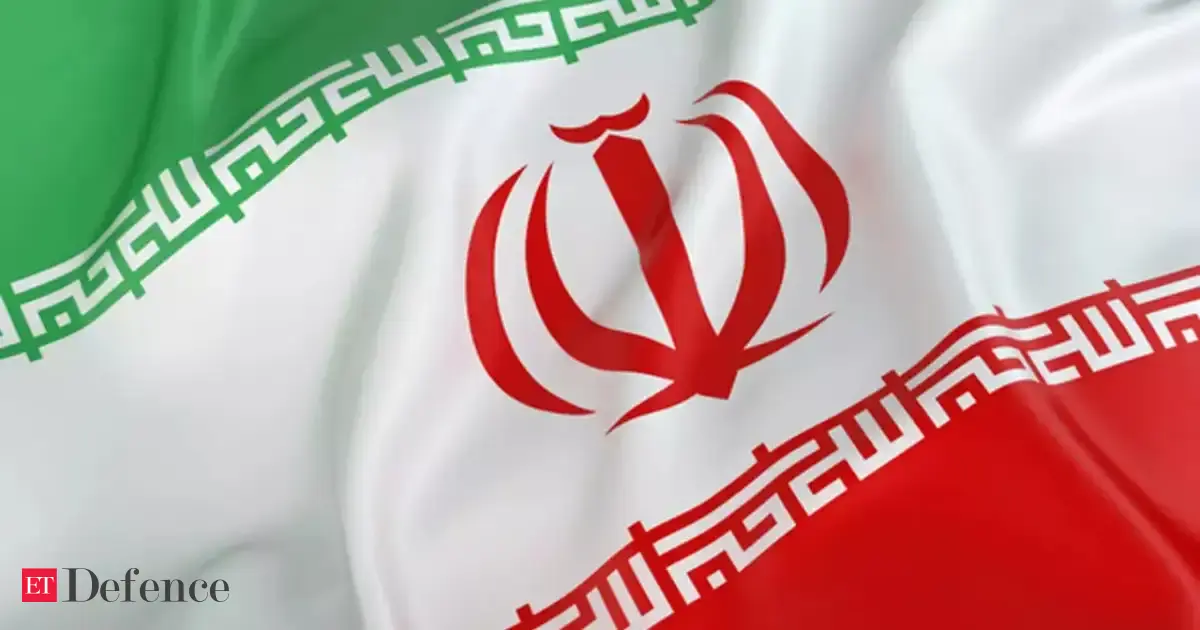
Global oil prices have surged ~40% after Iran threatened and effectively choked off shipping through the Strait of Hormuz, with Tehran vowing to keep Hormuz closed and striking energy and shipping targets. The US has called for allied naval escorts while conducting strikes (including on Kharg Island) and deploying assets such as USS Tripoli and ~2,500 Marines; reported casualties exceed 1,200 and up to 3.2 million people have been displaced. Limited allied willingness to commit to escorts raises the risk of prolonged supply disruptions and sustained upside pressure on energy prices, creating a market-wide shock to commodities and trade flows.
A chokepoint-driven disruption functions like an effective physical supply cut plus a structural insurance premium: shipping detours and elevated war-risk hull & P&I premiums remove barrels from the market for weeks-to-months even if production remains intact. That transmission amplifies price volatility and increases backwardation in the forward curve, which favors players with physical control of crude/LNG and owners of tonnage that can capture time-charter or spot arbitrage spreads.
Second-order beneficiaries are not only upstream producers but asset owners who monetize transport and security scarcity — tanker owners, storage operators, and short-duration spare capacity holders. Constrained quick-response supply (service crews, drilling rigs, LNG liquefaction ramp-up) means any incremental demand or geopolitical flare-up will disproportionately reward operational optionality rather than large integrated balance-sheet scale in the 1–6 month window.
Catalysts that would unwind the risk premium are also identifiable and relatively near-term: a coordinated allied naval escort program, a major SPR release with a credible multi-country commitment, or visible signs of political fracture inside the sanctioned state that restore export routes. Conversely, sustained military deployments and widening strike targets would entrench premiums into a 6–18 month regime, forcing capex resets across refining, shipping, and insurance industries and accelerating demand destruction risks into macro growth numbers within a few quarters.
AI-powered research, real-time alerts, and portfolio analytics for institutional investors.
Overall Sentiment
strongly negative
Sentiment Score
-0.85
