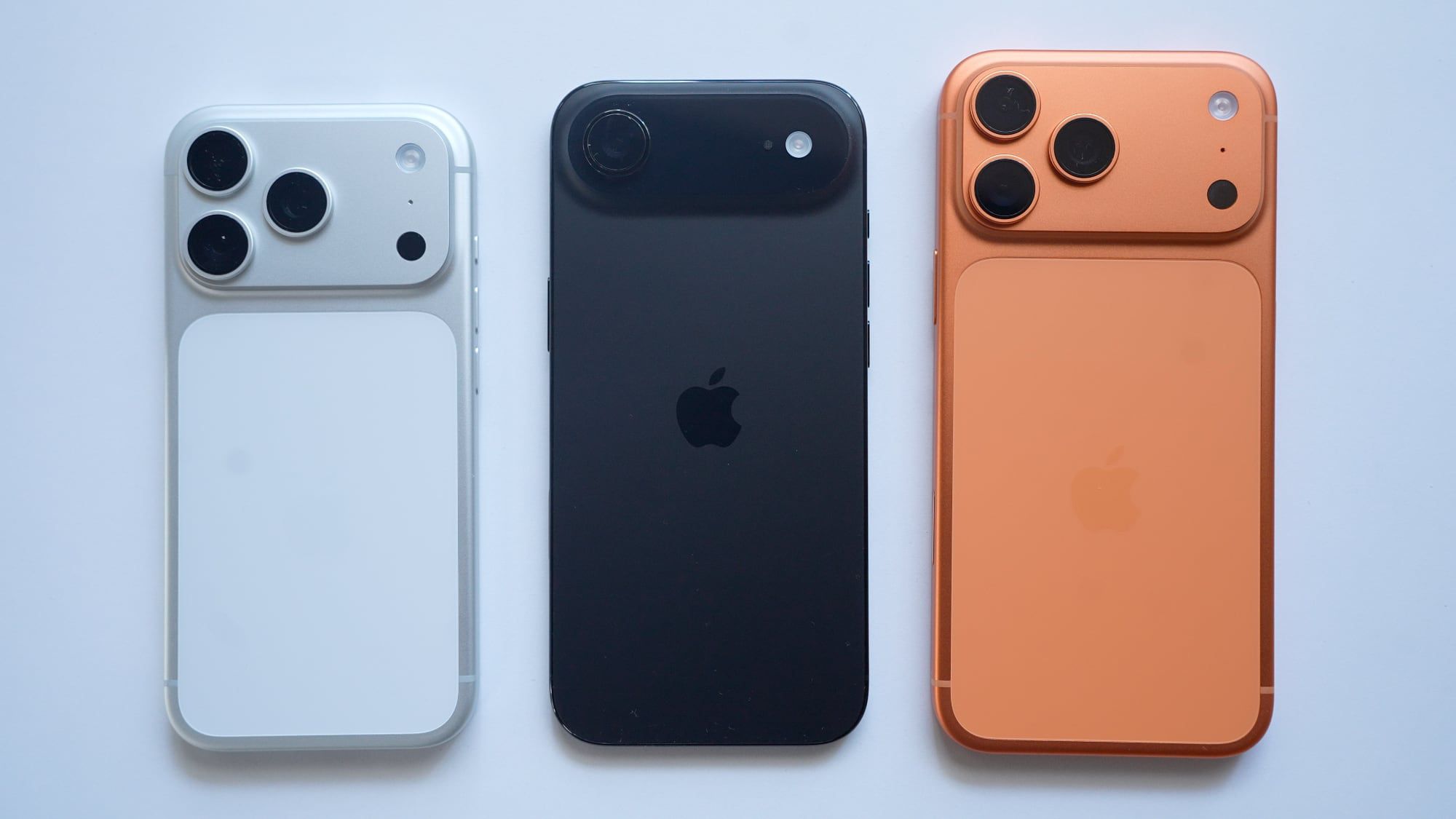
Apple's iPhone 17 family (including iPhone Air, 17 Pro, and 17 Pro Max) has been on sale since September and MacRumors has published detailed how‑to coverage of the new hardware and software features. Recent software updates (iOS 26.2/26.3) add UI and media features (e.g., Liquid Glass lock slider, offline Apple Music lyrics) and implement interoperability changes in the EU driven by the Digital Markets Act; Apple Wallet state ID support is live in 13 U.S. states plus Puerto Rico. Separately, Bloomberg and other outlets report delays to an Apple TV 4K refresh and ongoing rumors around iPhone 18 and a 2026 foldable iPhone, signaling a typical product‑cycle cadence with modest regulatory and roadmap implications but limited immediate market-moving financial metrics.
Market structure: Apple (AAPL) remains the primary winner from the current iPhone 17 cycle and iOS 26 engagement — expect a modest services ARPU uptick (roughly +1–2% over the next 2 quarters) as features and Lock Screen personalization raise time-in-app. European interoperability (DMA) creates winners among third‑party accessory makers and opens addressable market for non‑MFi devices, while Apple could lose low‑single‑digit percentage points of accessory/license revenue in EU over 12–24 months. Component suppliers (TSM, QCOM) retain pricing power near term as seasonal build cycles continue, supporting semiconductor demand over the next 3–9 months.
Risk assessment: Tail risks include aggressive EU enforcement hitting Services margins (1–3% revenue drag across 12–24 months), antitrust fines, or a material demand shock (iPhone unit sales down >5% YoY) that compresses revenue 3–5%. Immediate (days) risks are earnings/holiday sales prints; short term (weeks–months) are DMA implementation rulings and iOS update impacts; long term (quarters–years) hinge on foldable product execution (Sep 2026 rumor timeline) and capex shifts. Hidden dependencies: services growth is tightly coupled to active installed base retention — a small churn uptick cascades into services and accessory demand.
Trade implications: Favor modest directional exposure to AAPL and foundries: AAPL upside from services + hardware cadence over 6–12 months, TSM for sustained fab demand. Use defined‑risk option structures to buy upside while hedging regulatory tail risk; avoid naked directional gamma into near‑term DMA milestones and earnings. Cross‑asset: stronger AAPL could modestly tighten credit spreads in tech and support USD flows; watch AAPL options skew for elevated put demand around EU rulings.
Contrarian angles: The market underprices regulatory operational costs — DMA compliance can increase support/OEM fragmentation and shave 0.5–1% off margin CAGR beyond direct licensing loss. Conversely, consensus may be overstating foldable demand; if Apple’s foldable is smaller (5.3" closed) uptake could be niche, not category‑creating. If DMA-driven accessory competition forces Apple to lower accessory margins, investors should re‑rate Services multiples down by ~100–200bps if evidence accumulates within 6 months.
AI-powered research, real-time alerts, and portfolio analytics for institutional investors.
Request DemoOverall Sentiment
neutral
Sentiment Score
0.05
Ticker Sentiment
