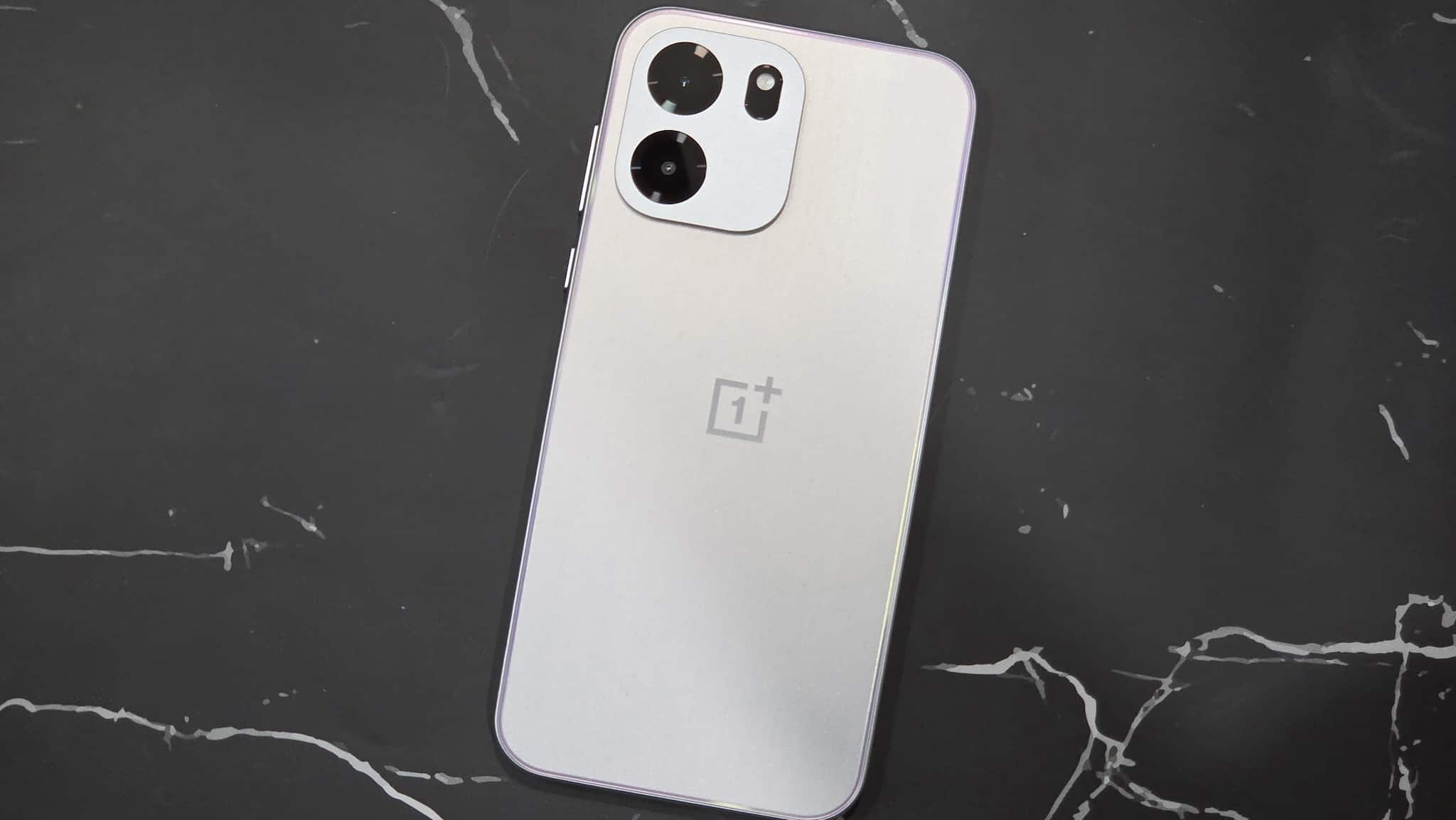
OnePlus has begun open sales of the Nord CE6 in India, starting at Rs 27,999 after a Rs 2,000 instant bank discount, with the 8GB/256GB variant priced at Rs 32,999 and additional no-cost EMI offers for up to six months. The phone features a Snapdragon 7s Gen 4 chip, 144Hz AMOLED display, 50MP rear camera, 32MP front camera, and an 8000mAh battery with 80W charging. The launch is a routine consumer electronics update with modest positive implications for OnePlus’s retail momentum.
This launch is less about a single handset and more about defending share in India’s sub-30k smartphone bracket, where conversion is highly promo-sensitive and channel execution matters more than specs. The aggressive effective pricing suggests OnePlus is prioritizing sell-through and ecosystem retention over near-term gross margin, which should pressure competing Android OEMs that rely on similar ASP bands and have weaker software differentiation. The inclusion of gaming, battery, and AI features signals a deliberate attempt to keep the premium-mid segment from sliding downmarket into value brands.
Second-order, the biggest beneficiary is likely the channel stack rather than the handset vendor alone: e-commerce platforms and offline retail partners should see traffic lift and attach opportunities on accessories, protection plans, and financing. The EMI and bank-offer structure also implies that affordability is being engineered through financing, not product cost reduction, which can expand the addressable buyer base without requiring a permanent list-price cut. That dynamic tends to support demand in the next 1-2 quarters but can pull forward demand, creating a weaker follow-on period if the promo cadence slows.
The contrarian read is that this is a demand-defense move in a category where replacement cycles are already extending, so the headline optimism may overstate underlying unit growth. If India consumer credit tightens, bank-led incentives become less effective and inventories can build quickly at retailers. The risk window is 30-90 days for sell-through validation; if channel checks do not show a clear share gain, competitors can respond with similar discounts and erase the margin benefit.
From an AI angle, the feature set is more marketing leverage than monetizable differentiation unless users actually adopt Gemini-based workflows. The real test is whether the device improves retention and upgrade propensity inside the brand’s installed base; if not, this is a promotional spike rather than a durable share gain. In that case, the market may reward the ecosystem names briefly, but the handset economics remain structurally challenged.
AI-powered research, real-time alerts, and portfolio analytics for institutional investors.
Request DemoOverall Sentiment
mildly positive
Sentiment Score
0.20
