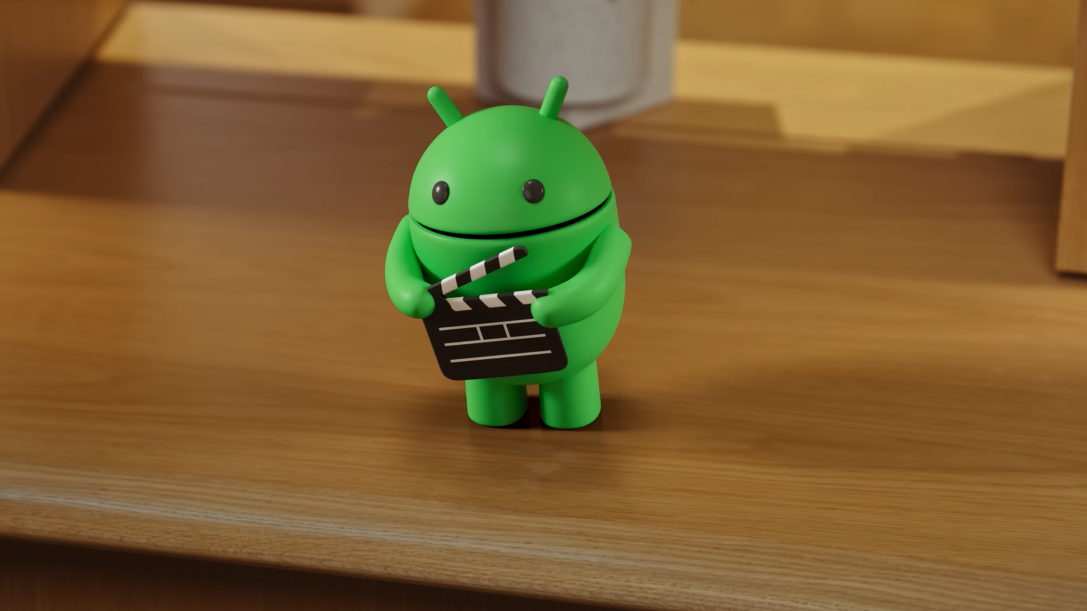
Google is expected to host a second "The Android Show | I/O Edition" on May 12, one week before Google I/O begins on May 19, but it has not officially confirmed the event. The show is expected to focus on consumer-facing Android updates, with possible discussion of Wear OS 7, Android XR, Android Auto, and the rumored merger of Android and Chrome OS, allegedly dubbed Aluminum OS. The article is largely speculative and contains no confirmed product or financial figures.
The setup is less about the Android feature list and more about Google using a pre-I/O consumer event to reframe the platform narrative before the market can anchor on an incremental Android 17 cycle. That matters because the next leg of monetization likely comes from stitching together mobile, wearables, auto, and XR into a single software+services surface; if investors buy that narrative, it supports a higher multiple on Android engagement rather than near-term handset unit growth alone.
The biggest second-order implication is for ecosystem control. A credible Chromium/Chrome OS + Android convergence would increase Google’s leverage over OEMs and hardware partners by raising switching costs and making cross-device UX a Google-native standard, while also creating a more defensible answer to Apple’s ecosystem moat. The beneficiaries are Google’s core ad and services stack, plus select Android OEMs that can piggyback on differentiated AI/software features; the losers are smaller Windows laptop vendors and any non-Google software layer trying to own the user relationship.
Near term, the event is a volatility catalyst rather than a fundamental earnings event. If Google only delivers cosmetic updates, the market likely fades the hype within days; if it offers concrete timing/specs for an OS merger, the signal could extend over months as analysts model a new device category and a more meaningful Chromebook replacement cycle. The main tail risk is execution slippage: a vague teaser without product readiness would reinforce the view that Google is still doing platform theater, not shipping a credible cross-device strategy.
Consensus appears to underappreciate how much this is a strategic messaging moment for the hardware supply chain. Even a modestly credible roadmap could pull forward demand for premium ARM PCs, enablement silicon, and accessory ecosystems tied to Android-first computing, while increasing competitive pressure on Microsoft’s Windows-on-ARM narrative. The asymmetry is that investors do not need a full launch to re-rate the story—just enough detail to make 2H timing believable and to signal Google is willing to spend real platform capital.
AI-powered research, real-time alerts, and portfolio analytics for institutional investors.
Request DemoOverall Sentiment
neutral
Sentiment Score
0.10
Ticker Sentiment
