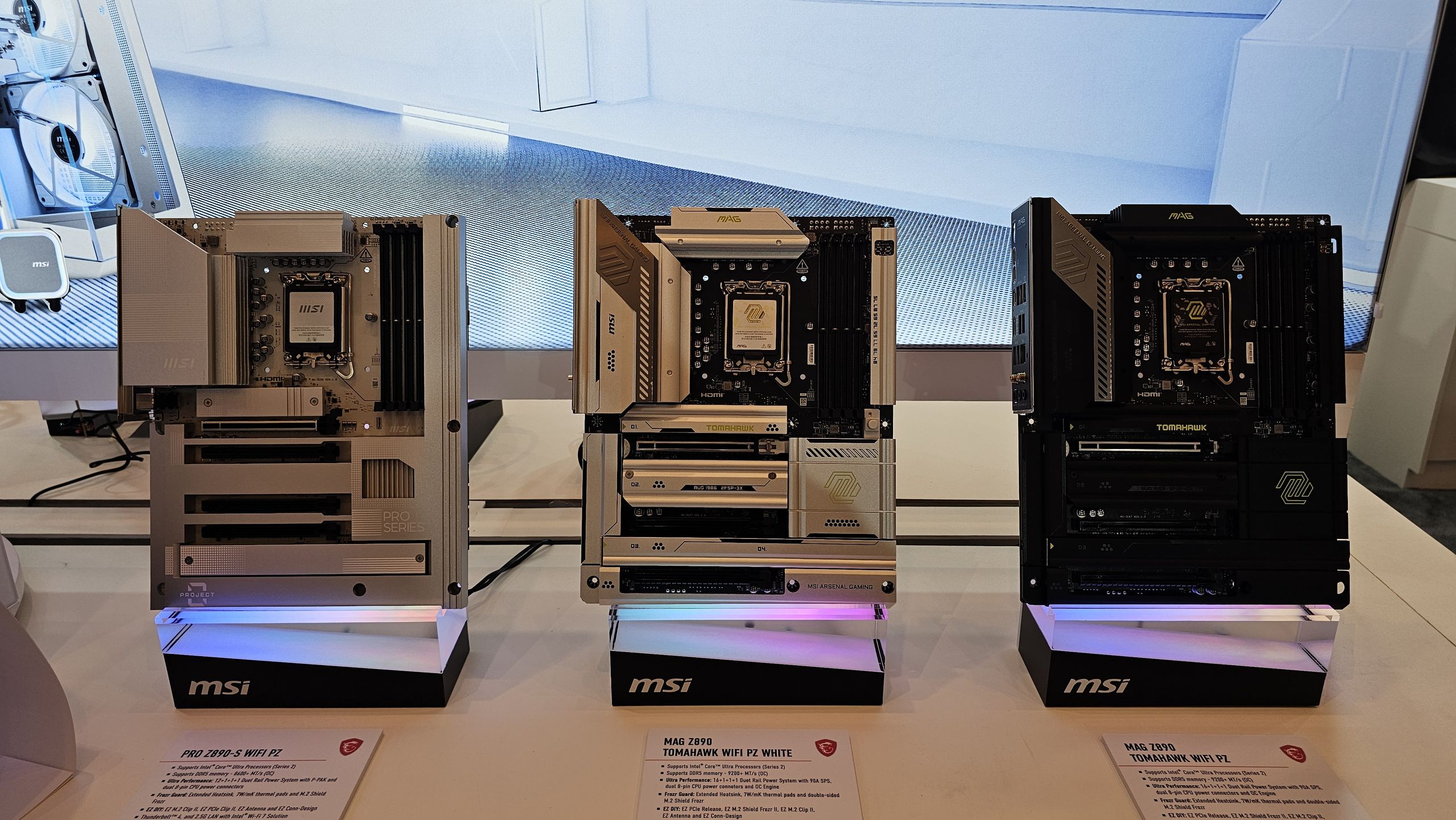
Motherboard sales across the four major vendors are being revised sharply lower, with the article citing an overall 28% contraction for the group and ASRock’s shipments projected to fall 37% to 2.7 million units. Asus is expected to ship only about 10 million boards in 2026 versus 15 million last year, while Gigabyte and MSI have cut forecasts to 9 million and 8.4 million, respectively. The decline is being driven by AI-related shortages of CPUs, memory, storage, and GPUs, which are pushing up component prices and discouraging PC upgrades.
The immediate read-through is not “PC demand is weak,” but that the consumer upgrade cycle is being starved by a supply shock emanating from AI capex. That matters because motherboard revenue is a lagging indicator: by the time boards compress, the install base has already extended replacement cycles, which tends to spill into CPUs, DRAM, SSDs, and discrete GPUs over the next 2-4 quarters. The second-order effect is a mix shift toward server and enterprise channels, which helps vendors preserve revenue but worsens gross margin volatility because those programs are more contract-driven and less branded-margin rich.
For the named chipmakers, the bearish nuance is different. NVDA is not exposed through motherboard sell-through, but it is the primary allocator of scarce upstream capacity, so the market should expect continued friction in consumer GPU launches if AI demand remains elastic. AMD and INTC face a worse consumer-PC setup: weaker channel replenishment, longer replacement cycles, and lower attach rates for platforms that typically drive their ecosystem upgrades. If this persists into the next refresh window, the risk is not just unit loss; it is pricing pressure as OEMs and retailers fight to clear inventory against a slower demand backdrop.
The consensus likely underestimates how long this can last. The catalyst to reverse it is not a headline about “more supply” but a meaningful rebalancing of foundry allocation and memory output, which usually takes multiple quarters, not weeks. Near term, any relief rally in consumer semis would likely be short-lived unless management commentary shows actual easing in lead times and channel inventory, not just better AI commentary from the supply side.
AI-powered research, real-time alerts, and portfolio analytics for institutional investors.
Request DemoOverall Sentiment
strongly negative
Sentiment Score
-0.52
Ticker Sentiment
