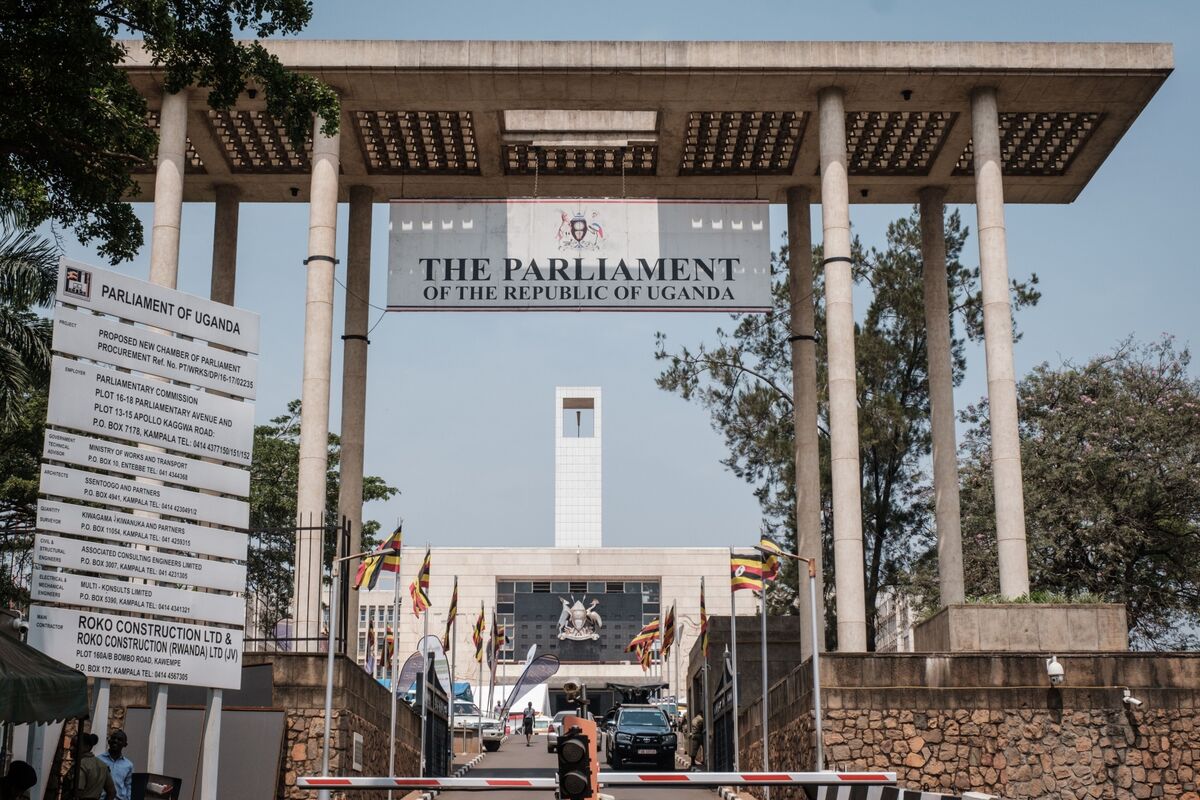
Uganda passed the Protection of Sovereignty Bill, imposing fines of 2 billion shillings ($530,000) on organizations and up to 10 years in prison or heavy fines for individuals receiving foreign funding without clearance. The law is widely viewed as targeting opposition-linked groups and could restrict civil society and political activity. The immediate market impact is limited, but the move increases regulatory and political risk in Uganda.
This is less a single-country legal headline than a higher-cost-of-capital event for the entire domestic political ecosystem. The immediate winners are incumbents and any coalition-aligned groups that can operate with implied state protection; the losers are NGOs, labor organizers, and opposition-adjacent business networks that rely on external funding to mobilize. The second-order effect is a chilling of grassroots coordination, which reduces near-term protest frequency but raises the probability that dissent moves off-balance-sheet into informal channels, making it harder to monitor and potentially more volatile when it does surface.
For investors, the key transmission is not direct earnings impact but policy predictability. Foreign capital will demand a larger political-risk premium across Uganda-exposed assets, especially in sectors that depend on regulatory goodwill or community engagement: telecoms, banks, consumer staples, and infrastructure contractors. Multinationals with regional hubs may quietly re-route advocacy spending and compliance functions to neighboring jurisdictions, which can slow project execution by quarters rather than weeks.
The main catalyst path is enforcement intensity. If the law is applied selectively against prominent opposition-linked entities, market confidence can deteriorate quickly over 1-3 months; if enforcement is symbolic, the trade becomes a headline risk fade. The contrarian view is that the harshness may actually constrain broad-based enforcement because it risks alienating donors and spooking FX flows, so the eventual regime outcome could be narrower than the rhetoric suggests. That makes this a better short-volatility / event-risk trade than a structural macro short unless we see asset freezes, bank account restrictions, or NGO closures start to stack up.
AI-powered research, real-time alerts, and portfolio analytics for institutional investors.
Request DemoOverall Sentiment
moderately negative
Sentiment Score
-0.35
