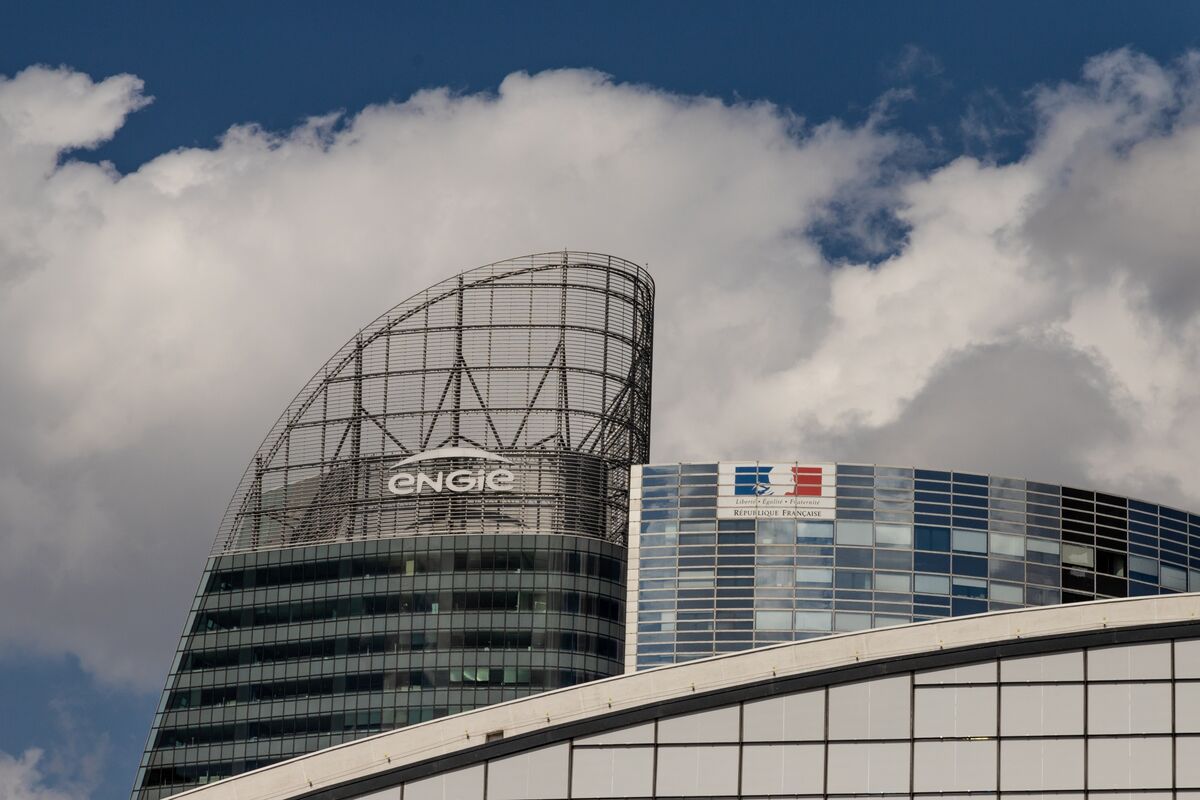
Engie is reportedly poised to lose a multibillion-euro Paris heating concession, putting a significant stream of contracted revenue at risk and weakening its foothold in municipal heat networks. The setback underscores intensified competition and political/regulatory pressures around urban energy contracts in France and could pressure Engie’s near-term earnings outlook and investor sentiment.
Market structure: Losing a multibillion-euro Paris heating concession shifts share and recurring-revenue away from Engie (ENGI.PA) toward municipal/competitor operators (likely winners: VIE.PA/EDF.PA and specialist district-heating contractors). Expect sustainable margin pressure in district-heating business — model a 1–3% hit to Engie group EBITDA if the contract is ~€1–3bn of lifetime value — and downward pressure on valuations of long-term concession assets across Europe.
Risk assessment: Near-term (days) volatility will center on headline rulings and political commentary; short-term (weeks–months) risks include legal appeals and renegotiations; long-term (quarters–years) risks include precedents prompting other cities to re-tender (a cascade). Tail risks: French state intervention/nationalisation or a protracted legal battle that widens Engie credit spreads 20–75bp and raises funding costs.
Trade implications: Tactical short bias on ENGI.PA should be sized small (2–3% portfolio) or via 6–9 month puts 10% OTM to limit idiosyncratic exposure; complementary long exposure to VIE.PA or EDF.PA (1–2%) to capture relative share shift. Credit trades: buy 3–5y CDS protection on Engie if spreads move >25bp, and consider pair trades long VIE.PA / short ENGI.PA ahead of the final award (30–60 days).
Contrarian angle: The market may over-penalise Engie if the lost deal represents <5% of group EBITDA — a >8–10% share price drop would be a buying opportunity for a diversified utility with regulated gas/renewables. Watch for asset-sale announcements or accelerated capex reallocation by Engie that could unlock value; historical precedent (major concession losses) often creates 3–9 month volatility but not permanent corporate failure.
AI-powered research, real-time alerts, and portfolio analytics for institutional investors.
Overall Sentiment
moderately negative
Sentiment Score
-0.50
