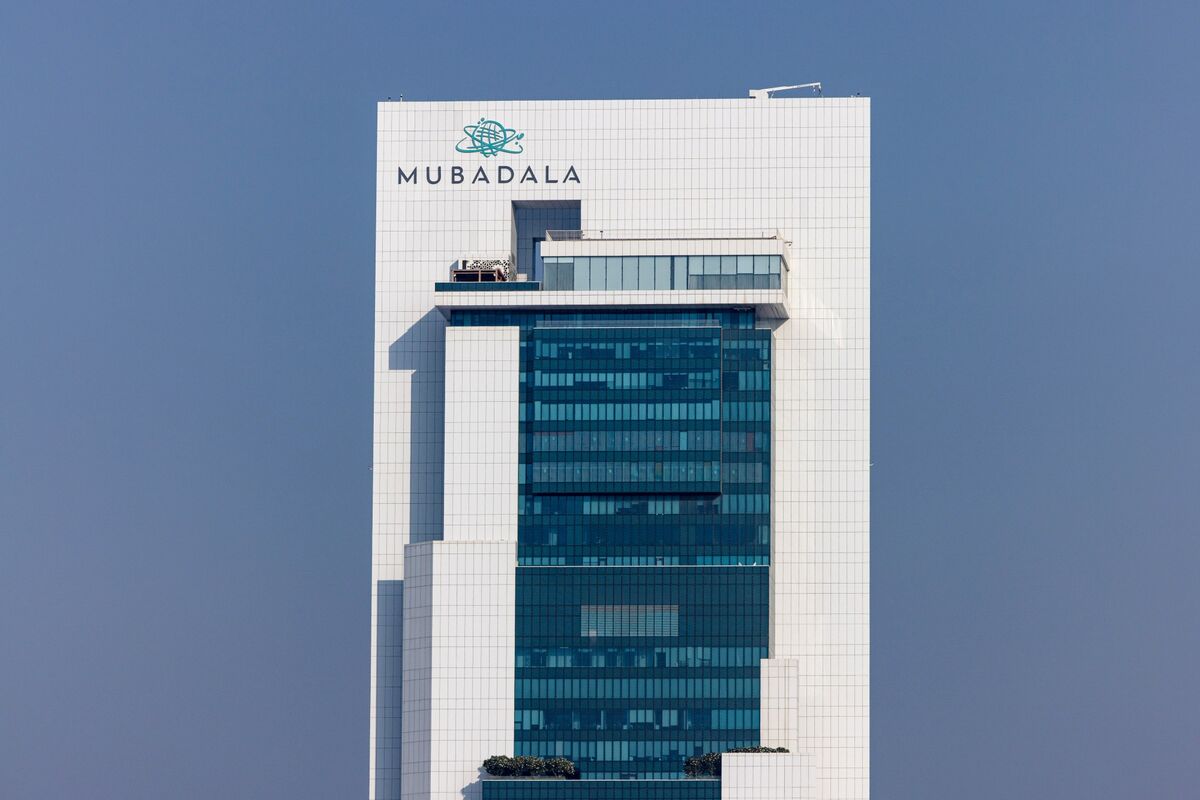
Ares Management has partnered with the Abu Dhabi Investment Council and Mubadala Investment Co.’s special-situations unit to launch a GP stakes strategy that will acquire minority stakes in mid-size private equity firms. Nate Walton, head of private equity secondaries, said Ares will leverage relationships with more than 1,000 general partners from its direct-lending platform, signaling an expansion of Ares’ secondaries and private-markets franchise and increased sovereign-backed capital targeting GP stakes opportunities.
Market structure: Sovereign-backed capital into mid‑market GP stakes will reprice the scarcity premium for boutique GPs—winners are nimble managers able to monetize carry (potential +15–30% realized IRR boost on liquidity events), losers are standalone secondaries shops and smaller co‑invest platforms facing margin compression (estimate 150–350bp fee/return compression). Competitive dynamics favor platforms with origination pipelines and LP relationships (Ares), shifting pricing power away from fragmented mid‑market sellers toward deep-pocketed bidders and raising entry prices for GP stakes within 6–24 months.
Risk assessment: Tail risks include regulatory pushback (CFIUS/European foreign investment reviews) or partner governance fights that can invalidate deals — low probability but could wipe out 30–60% of deal NAV. Near term (days–weeks) expect sentiment moves and deal speculation; mid (3–12 months) see fundraising/LP approvals; long term (1–3 years) execution risk from integrating minority economic arrangements and crystallizing carry. Hidden dependency: success hinges on Ares’ ability to convert lending relationships into GP equity pipelines; if conversion rate <10% the strategy economics degrade materially.
Trade implications: Direct play is long ARES equity exposure to capture management/fee upside and mark-to-market revaluation of franchise; hedge with short positions in larger diversified managers that lack the same origination scale (BX, KKR) to isolate GP‑stakes optionality. Options: use 9–18 month call spreads to limit premium (buy 1–2% NAV in ARES Jan‑2027 25–40% OTM call spreads). Sector rotation: overweight asset managers with direct lending platforms and underweight pure secondary/BDC franchises over next 12 months.
Contrarian angles: Consensus understates complexity of scaling GP‑stakes at mid‑market firms — governance, partner economics and co‑investment rights can blunt returns; the market may be underpricing execution friction (realizable yield could be 300–500bp below headline). Historical parallel: early 2010s GP‑stakes froths delivered headline deals but mixed IRR when governance misalignments surfaced. Unintended consequence: increased GP liquidity may lengthen holding periods for LP secondaries and temporarily depress realized multiples.
AI-powered research, real-time alerts, and portfolio analytics for institutional investors.
Request DemoOverall Sentiment
mildly positive
Sentiment Score
0.28
Ticker Sentiment
