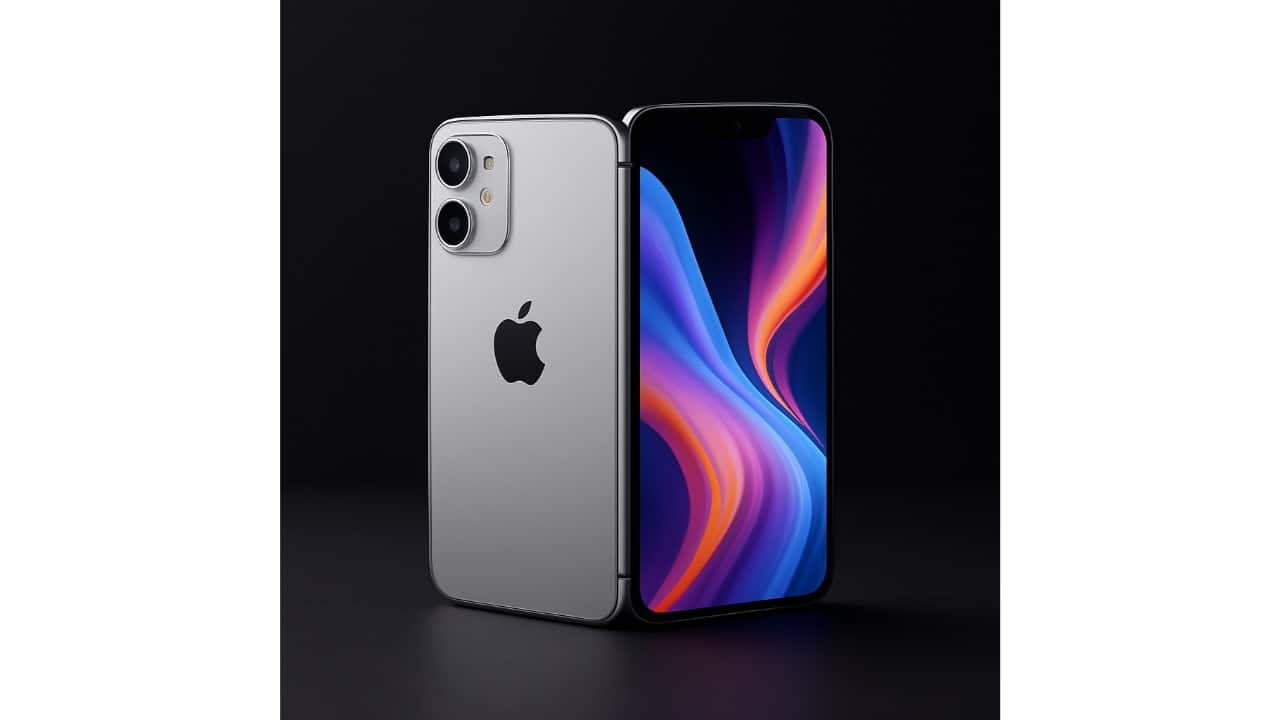
Apple’s first foldable iPhone, rumored to be called the iPhone Ultra, is reported to feature a 0.15mm display crease, a wider form factor, dual 48MP cameras, and a 5,800mAh battery. The device is positioned for the ultra-premium segment and could compete with Samsung and Google foldables. The article is largely speculative, but it suggests a notable new product direction for Apple rather than near-term financial impact.
A foldable iPhone would matter less as a unit-volume event than as a margin-defense and ecosystem-retention event. Apple does not need to win the category outright; it only needs to create a new $1,800+ price umbrella that pulls its installed base into a larger ASP ladder, which is why the first-order beneficiary is AAPL’s revenue mix rather than share gains in foldables. The more important second-order effect is competitive pressure on Android OEMs: Apple’s entry typically compresses premium-segment differentiation and forces Samsung/Google into deeper discounting, which can impair gross margin far more than the incremental handset volume helps. The biggest near-term read-through is not a handset supercycle but a supply-chain qualification cycle. A device with a novel hinge, under-display components, and large battery content raises the probability of yield bottlenecks and launch slippage, so the market should expect a “rumor pop” well before a clean revenue inflection. If this ships on time, the short list of winners is component vendors with irreplaceable Apple content; if it slips, the impact on AAPL is mostly sentiment, while suppliers could see air pockets from inventory builds and premature capacity adds. The contrarian angle is that a foldable may be more valuable for “switch prevention” than for new demand creation. High-end iPhone users are already likely to upgrade on cadence; the incremental upside comes from preventing defections to Samsung’s foldables and monetizing that loyalty at a much higher ASP. That means the market may overestimate the launch’s near-term revenue contribution and underestimate the strategic effect on lifetime value, services attach, and premium share stability over the next 12-24 months. For GOOGL, the direct stock impact is muted, but the strategic threat is real: if Apple makes foldables feel mainstream, Android’s best hardware differentiator becomes less durable, which can reduce ecosystem leverage over time. The right framing is that this is an Apple-favorable product-category expansion with asymmetric benefit to brand strength and pricing power, not a broad consumer-electronics boom.
AI-powered research, real-time alerts, and portfolio analytics for institutional investors.
Request DemoOverall Sentiment
mildly positive
Sentiment Score
0.25
Ticker Sentiment
