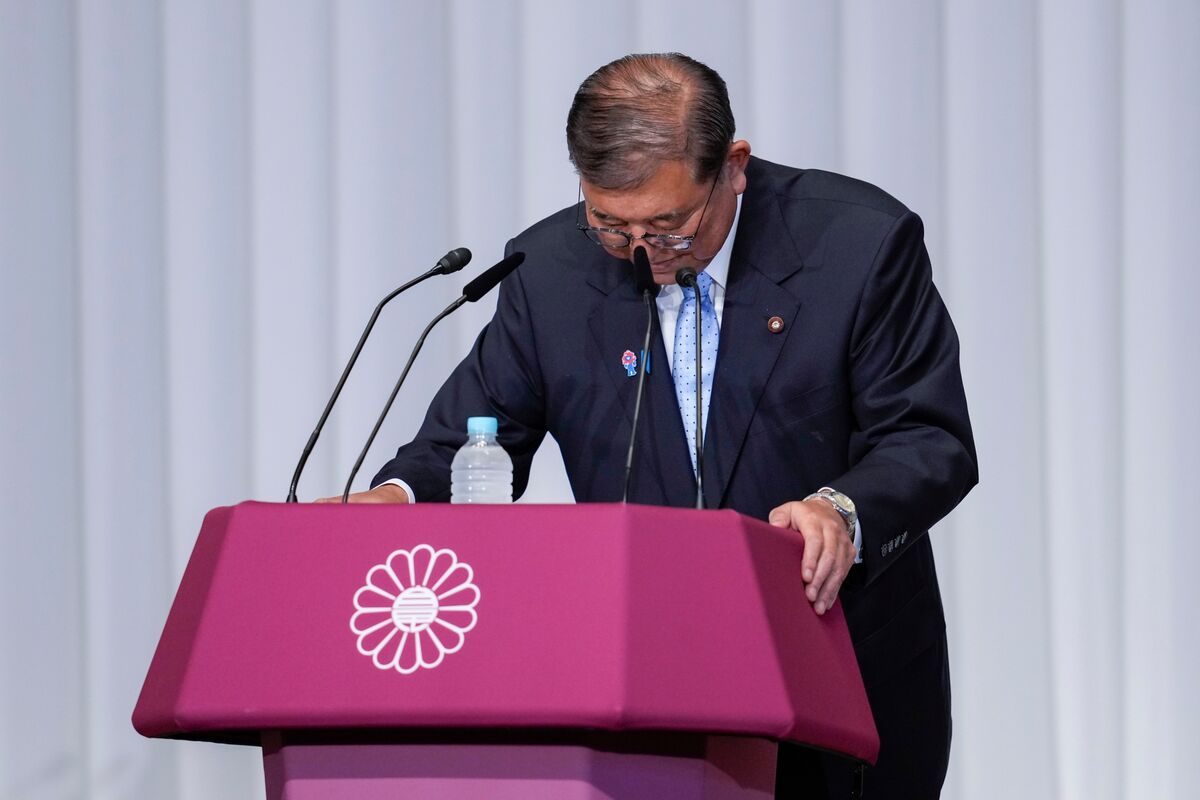
Japanese Prime Minister Shigeru Ishiba has finalized a trade deal with the United States after three months of negotiations, an agreement characterized as his final significant act as leader. Facing substantial domestic political pressure, Ishiba reportedly conceded on initial demands for the complete removal of US levies, particularly on automobiles, indicating a significant compromise in the bilateral trade relationship.
A new trade agreement has been reached between the US and Japan, concluding three months of negotiations. The deal is framed as a significant political capitulation by Japanese Prime Minister Shigeru Ishiba, whose position has been weakened by successive electoral setbacks. Facing substantial domestic pressure, Ishiba abandoned his primary negotiating goal of securing a complete removal of US tariffs, particularly the levies imposed on Japanese automobiles. This concession, described as his "final act," signals a loss of leverage for Japan and underscores the effectiveness of the US's hardline tariff strategy. The strongly negative sentiment (-0.7) associated with this news reflects the perception that this is a political defeat for the Japanese leader rather than a balanced agreement, with potentially material consequences for Japan's critical automotive sector.
AI-powered research, real-time alerts, and portfolio analytics for institutional investors.
Request DemoOverall Sentiment
strongly negative
Sentiment Score
-0.70
