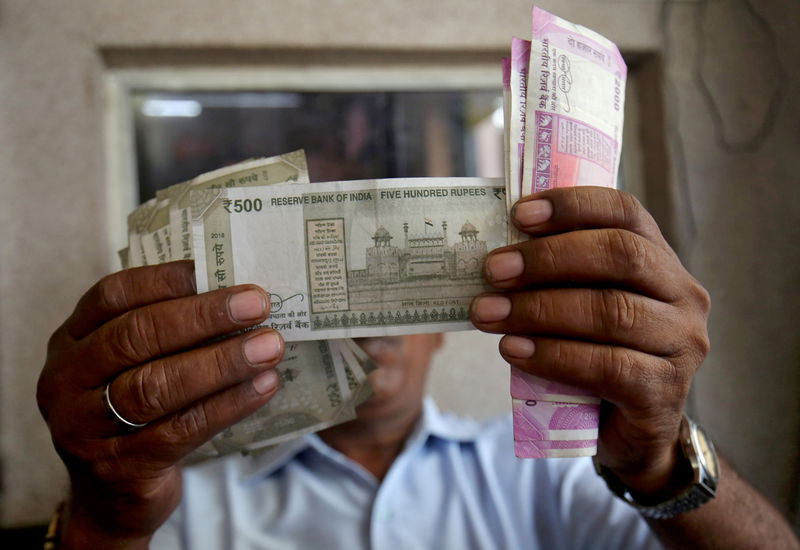
The Indian rupee hit a record low of 96.8650 per dollar, its seventh consecutive all-time low, as elevated oil prices and the U.S.-Iran standoff in the Strait of Hormuz triggered capital outflows. The rupee is down about 6% since the war began, while foreign investors have pulled an estimated $22 billion to $25 billion from Indian stocks and bonds since late-February. The article also cites a broader global bond sell-off, with U.S. Treasury yields rising to multi-year highs in May.
The immediate beneficiary set is narrower than it looks: upstream energy and dollars are winning, but the real second-order trade is a tightening of financial conditions in India and other oil-importing EMs. A weaker rupee plus higher crude forces local rates to stay restrictive for longer, which is toxic for domestic cyclicals, levered balance sheets, and any earnings stream with imported-input exposure. That argues for underweighting India beta and preferring exporters with natural USD revenue, because the earnings translation tailwind can offset the macro drag.
The bond move matters more than the equity move. Rising U.S. yields into a geopolitical oil shock typically hits long-duration assets twice: discount rates rise while margin pressure builds from higher input costs, making the market less forgiving of high-multiple growth names. In this setup, semis and software are vulnerable not because of direct oil sensitivity, but because the market is likely to de-rate anything with distant cash flows if real yields keep climbing for another 2-6 weeks.
The consensus seems to be assuming this is a pure headline-risk event, but the broader transmission is through capital flight and inflation expectations. If foreign outflows from India persist, the rupee can overshoot fundamentals, creating forced deleveraging in local credit and increasing the odds of policy intervention. The key contrarian question is whether oil’s current move is already pricing a prolonged disruption; if diplomatic progress appears, the reversal could be violent because positioning is likely crowded on the long-energy / short-risk trade.
AI-powered research, real-time alerts, and portfolio analytics for institutional investors.
Overall Sentiment
strongly negative
Sentiment Score
-0.65
