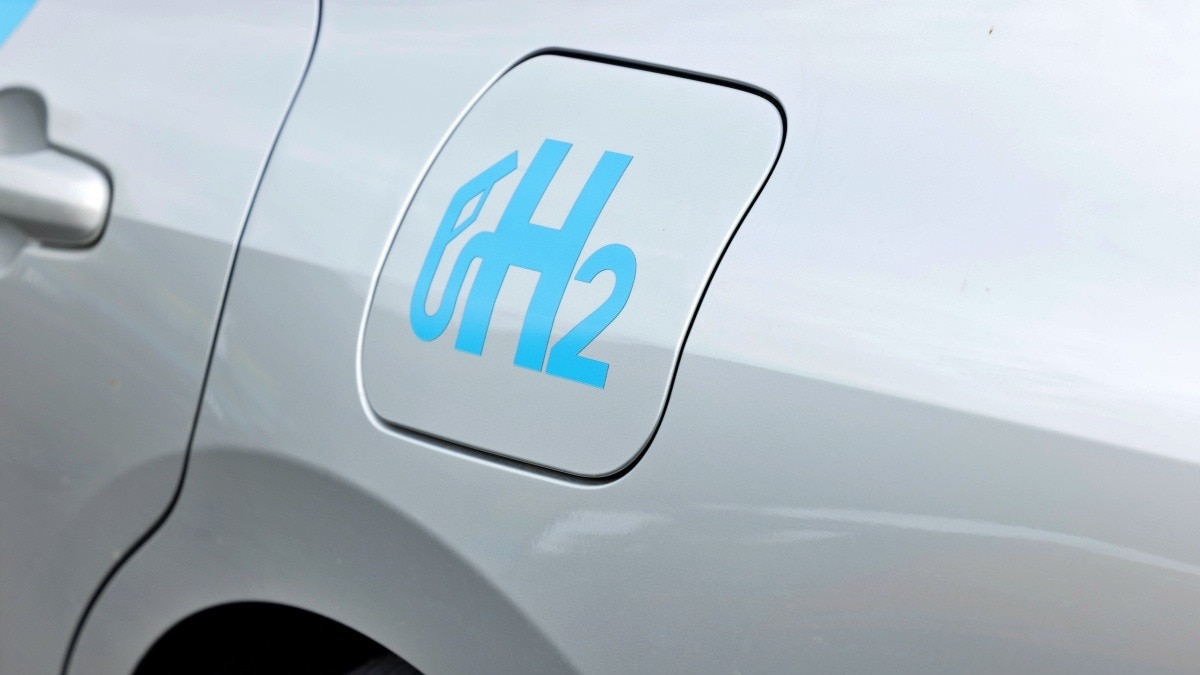
A peer-reviewed study in Nature and analysis by the Global Carbon Project finds atmospheric hydrogen levels rose steadily from 1990–2020 and contributed roughly 0.02°C of additional warming by prolonging atmospheric methane lifetimes. The research attributes increases to methane breakdown and industrial leaks from hydrogen production and infrastructure, undercutting the notion that hydrogen is wholly climate-neutral and highlighting indirect warming via ozone and cloud effects. For investors, the findings increase regulatory and operational risk for scaling hydrogen supply chains—particularly where hydrogen is produced from fossil fuels—and reinforce the economic and deployment challenges for green hydrogen in markets like India, which has an explicit National Green Hydrogen Mission but faces cost and leakage-management hurdles.
Market structure: The paper raises a regulatory and reputational headwind for «grey» hydrogen (steam‑methane reforming) and for leaky production/distribution — winners are large industrial gas incumbents (scale, service contracts) and low‑leak electrolysis providers certified as green; losers are small high‑burn hydrogen pure‑plays and fossil‑fed ammonia/steel operators. Expect pricing power to shift toward firms that can guarantee low leakage and track emissions (APD, LIN) and toward renewable power suppliers that can offer guaranteed-hours green electricity; marginal cost of hydrogen from electrolysis will remain >2x grey in most markets through 2025–2028 unless electricity falls >30% or electrolyser CAPEX drops 40%.
Risk assessment: Tail risks include rapid regulatory bans/subsidy reallocations against grey hydrogen (EU/India taxonomy changes or carbon border adjustments) or a high‑visibility leak incident causing investor flight; low‑probability but high‑impact within 6–18 months. Hidden dependency: hydrogen demand for hard‑to‑abate sectors (steel, shipping, fertilizers) will sustain long‑term volumes even if automotive adoption stalls, so long‑run structural demand remains positive through 2030+ but capital intensity and interest rates (cost of capital +200–300bps) materially delay projects.
Trade implications: Near term (0–3 months) favor defensive longs in industrial gas (LIN, APD) and renewable utilities (NEE) sized 1–3% each; short selective hydrogen microcaps (PLUG, NEL) via options to cap downside. Use 6–12 month put protection on high‑beta names (buy PLUG 6‑month puts 30–40% OTM) and consider a pair trade long APD vs short PLUG for 6–12 months targeting 15–30% relative return if policy tightens. Reallocate 3–5% from grey‑exposed chemicals/steel (CF, NUE) into infrastructure and leak‑detection software providers.
Contrarian angle: The market may overreact by pricing hydrogen demand away entirely for transport — that would be premature because heavy industry and shipping still require dense fuels; this favors well‑capitalized incumbents and certified green project developers. Unintended consequence of stricter leakage rules is higher barriers to entry that consolidate pricing power with incumbents (LIN, APD) — a structural consolidation trade that can play out over 12–36 months.
AI-powered research, real-time alerts, and portfolio analytics for institutional investors.
Request DemoOverall Sentiment
mildly negative
Sentiment Score
-0.25
