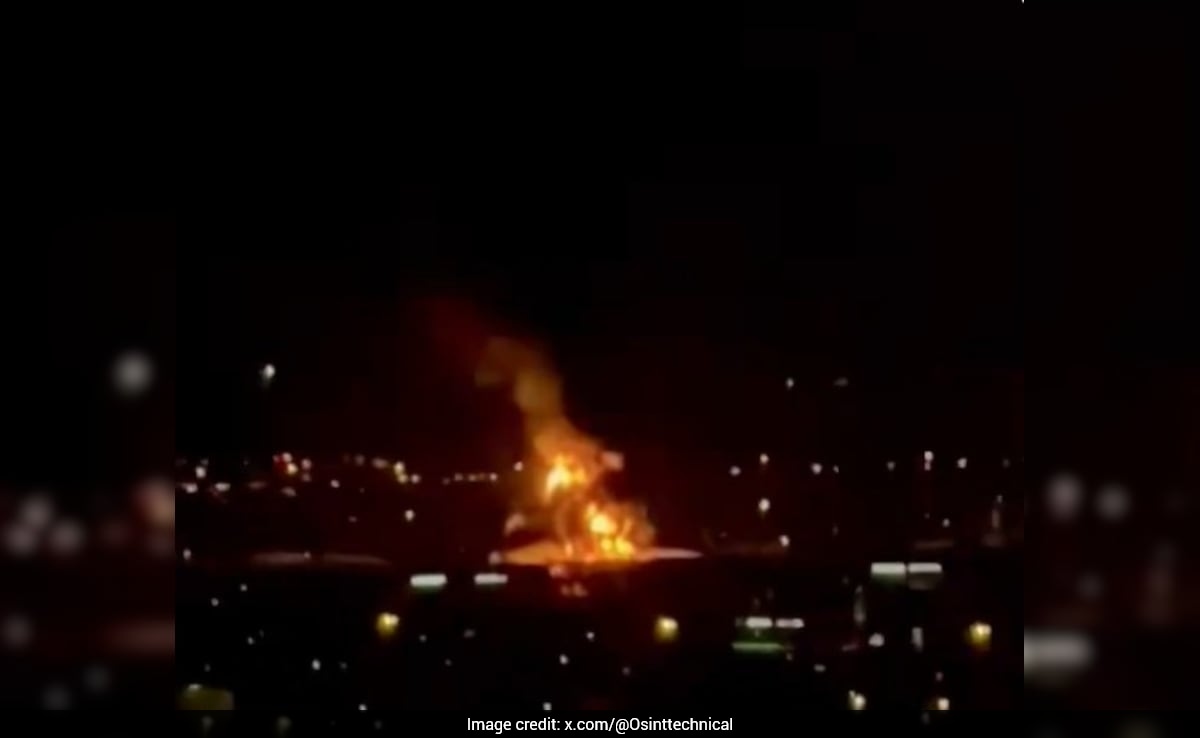
A drone strike near Dubai International Airport damaged a fuel tank and caused a fire that has been contained; Dubai Civil Defence reported no injuries. Dubai temporarily suspended all DXB flights, diverted some services to Al Maktoum (DWC), and closed the airport road and tunnel, disrupting travel operations at the Gulf hub. Officials tied the incident to a wider campaign that has seen Iran fire more than 1,800 missiles and drones at the UAE since the conflict began, underscoring elevated security risks to critical infrastructure. Expect pressure on airlines, airport operations and insurers in the region and potential short-term negative sentiment in regional markets.
A near-term security shock in a major Gulf transport node allocates risk premiums across three buckets: immediate operational dislocation (days), underwriter repricing and logistics rerouting (weeks–months), and structural defense/capex spending (12–36 months). Expect belly‑cargo and perishable freight rates to spike first because capacity is the most inelastic leg of the chain; a 5–10% reduction in available seats on key East‑West corridors historically lifts airfreight rates 15–40% within two weeks.
Insurance and counterparty credit are the slow-moving lever: commercial insurers absorb initial claims but will raise renewals and tighten war/terror exclusions at the next cycle, which typically shows up 3–9 months later and can reprice regional aviation & logistics costs by several hundred basis points. That reprice pathway benefits reinsurers and specialist war‑risk underwriters once rate rises stick, but it also creates a funding/timing mismatch for carriers and ground handlers that rely on thin working-capital margins.
Defense/security suppliers and secondary airports with spare capacity are the logical beneficiaries, but the market already discounts a partial premium; the true asymmetric payoff is in firms that can sell integrated, recurring security services (software + sensors + response) rather than one‑off hardware. Conversely, network-dependent carriers and integrators with concentrated hub exposure face variable costs that are both immediate (fuel, diversion) and sticky (higher insurance, security levies), compressing margins for 1–3 quarters unless traffic is permanently rerouted.
The most likely reversal is diplomatic de‑escalation or demonstrably effective layered defenses; those outcomes collapse the short-term spikes in energy and security spend but leave medium‑term contractual shifts (insurance, capex) only partially reversed. Volatility will be jumpy — trade small, use spreads, and prefer asymmetric option structures to blunt headline risk while capturing repricing over 3–12 months.
AI-powered research, real-time alerts, and portfolio analytics for institutional investors.
Request DemoOverall Sentiment
mildly negative
Sentiment Score
-0.35
