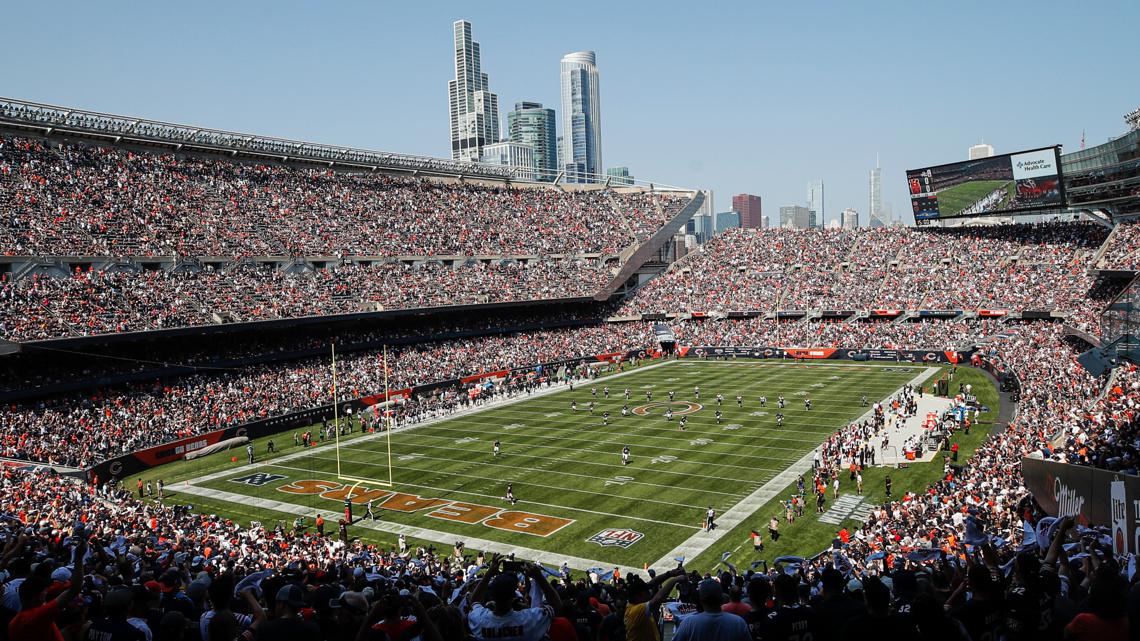
The Illinois Senate passed an amendment to House Bill 958 by 37-17 that would require the Chicago Bears to finance stadium construction themselves, while transferring ownership to a municipal stadium authority to avoid property taxes. The bill now moves to the Illinois House and would still need Gov. JB Pritzker’s approval. Indiana is offering up to $1 billion in incentives for a potential relocation to Hammond, but the article reports no final team decision yet.
The marketable asset here is not the team itself but the bargaining power embedded in municipal financing rules. A last-minute property-tax carveout or authority structure would materially shift the economics of large-scale venue development across the Midwest, because it lowers the all-in carrying cost for any private owner considering a stadium-heavy real estate play. The second-order winner is every adjacent landholder, infrastructure contractor, and mixed-use developer priced off a stadium anchor; the loser is the public-finance ecosystem if this becomes a repeatable template for extracting tax relief from host cities.
The real catalyst window is days, not months: this is a legislative deadline trade, and price action will likely be driven by whether the bill survives the House and gets gubernatorial backing. If it fails, relocation probability rises sharply and the value of Illinois-specific location optionality collapses; if it passes in a workable form, the team can delay relocation while preserving leverage over both states. That creates a binary setup where the highest-volatility asset is not the franchise brand but the surrounding commercial land package tied to either Chicago/Arlington Heights or Hammond.
The contrarian read is that the current debate may actually lower the odds of a clean move because it exposes how unattractive the tax treatment is in either jurisdiction. For a private owner, the best outcome may be extracting enough subsidy to stay put, even if the public rhetoric sounds relocation-heavy. The overlooked tail risk is environmental and remediation cost risk at the alternative site, which can quickly turn a headline incentive package into a capital overrun story and compress expected IRR by several hundred basis points.
AI-powered research, real-time alerts, and portfolio analytics for institutional investors.
Request TrialOverall Sentiment
neutral
Sentiment Score
-0.05
