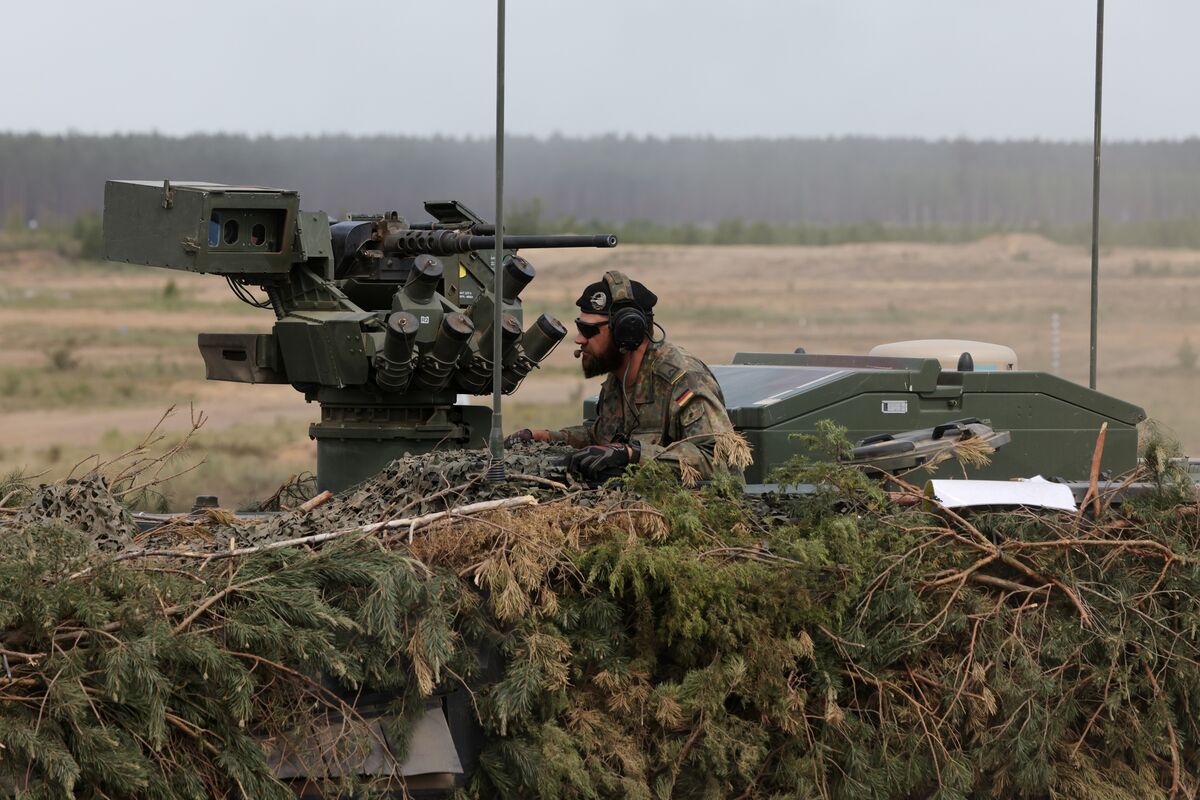
Germany's military rearmament efforts, despite increased defense spending, are significantly hampered by a severe recruitment shortfall. This challenge stems from an aging population and a tight labor market already experiencing widespread skilled worker shortages, underscoring broader demographic pressures that complicate the nation's defense buildup and impact overall economic workforce availability.
Germany's strategic initiative to rearm its military, prompted by geopolitical threats from Russia, is facing significant structural headwinds from its domestic labor market. Despite a substantial injection of capital for defense, the military is struggling to attract sufficient recruits from a dwindling pool of workers, a challenge underscored by the pessimistic sentiment signal. This recruitment shortfall is a direct symptom of broader demographic pressures, specifically an aging society and a shrinking workforce, which have already created skilled labor shortages across the private sector. The situation places German officials in a difficult position, as the urgent need for military expansion after decades of neglect directly competes with the staffing needs of the wider economy, highlighting a fundamental constraint on Germany's ability to execute its defense policy objectives and potentially impacting long-term economic stability.
AI-powered research, real-time alerts, and portfolio analytics for institutional investors.
Request DemoOverall Sentiment
strongly negative
Sentiment Score
-0.65
