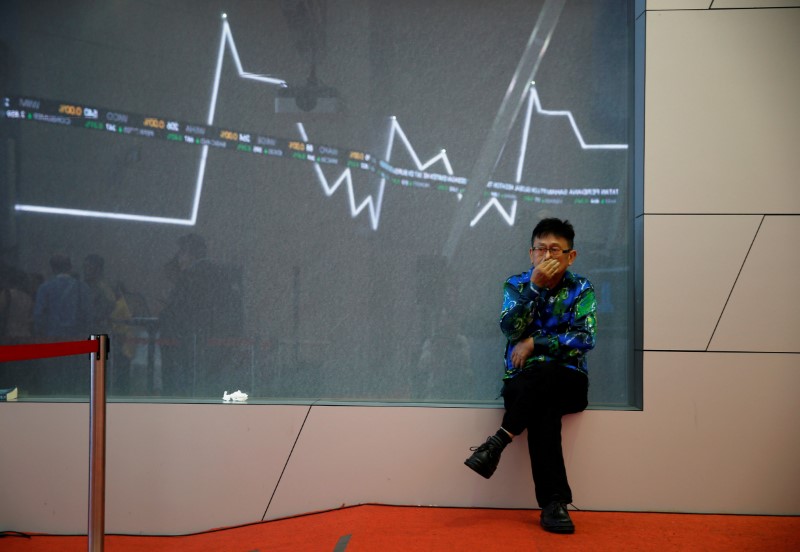
Indonesia's IDX Composite rose 0.51% to a 1-month high, with gainers outpacing decliners 297 to 245. The move was led by Infrastructure, Agriculture and Basic Industry names, while crude oil jumped 7.99% to $104.29 a barrel and Brent rose 7.65% to $102.48. The rupiah weakened slightly, with USD/IDR up 0.41% to 17,121.60.
The market is treating the oil spike as a one-day risk-on impulse, but the second-order effect is a terms-of-trade shock for import-dependent EMs with weak FX buffers. Indonesia is particularly exposed because higher crude filters quickly into the current account and subsidy math, which means the initial equity bid can fade if USD/IDR keeps drifting higher and local rates are forced to stay tighter for longer. That creates a cross-asset tension: energy-linked names can outperform while broad domestic cyclicals and rate-sensitive property/consumer sectors lag. The bigger beneficiary is not the obvious integrated energy complex but any listed upstream, logistics, or services proxy with operating leverage to domestic fuel pricing and limited imported input costs. Conversely, transport, airlines, and industrial users face margin compression with a lag of 1-2 quarters as hedging rolls off and spot fuel resets. In Indonesia, the market usually underestimates how fast policy transmission works once inflation expectations move; that makes the next earnings season the key catalyst window, not the immediate session. A contrarian read is that the move may already be pricing in headline risk rather than durable supply disruption. If the blockade is more of a signaling event than a prolonged physical constraint, Brent can give back a meaningful portion of the spike within days, especially if inventories are adequate and the dollar continues to firm. The trade, therefore, is less about owning oil beta outright and more about exploiting the spread between beneficiaries of higher energy and sectors with hidden fuel sensitivity. The FX move matters as much as the commodity move: a weaker rupiah raises imported inflation and can force BI to lean hawkish even if domestic growth softens. That combination is usually negative for small-cap speculative names and positive for exporters, commodity producers, and firms with USD-linked revenues. The first-order rally in domestic equities can therefore mask a developing breadth deterioration beneath the surface.
AI-powered research, real-time alerts, and portfolio analytics for institutional investors.
Overall Sentiment
mildly positive
Sentiment Score
0.15
