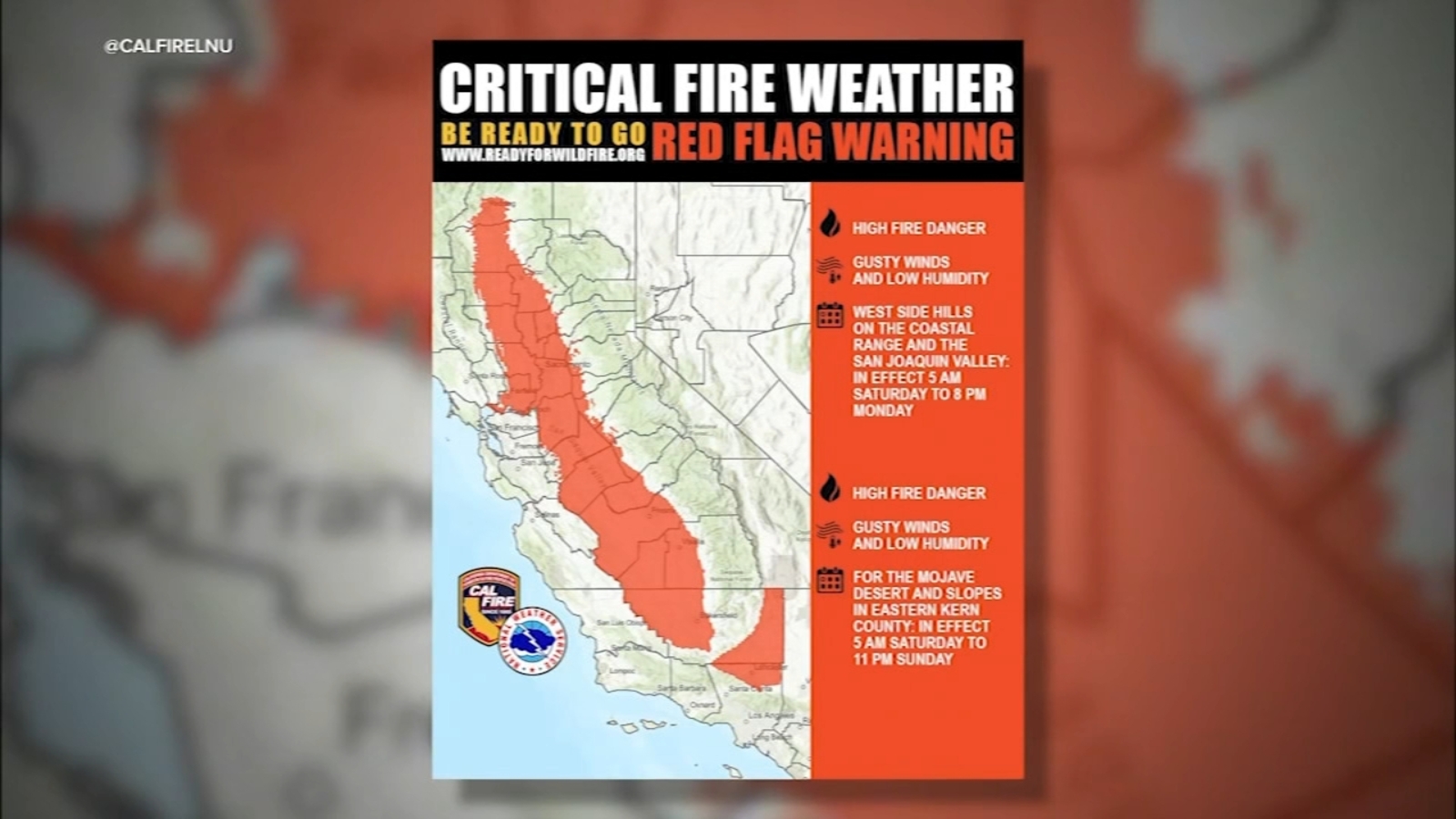
High winds and Red Flag conditions across the Bay Area are increasing wildfire risk, with PG&E warning of possible public safety power shutoffs starting Sunday across several counties. Crews already responded to a vegetation fire west of Lake Sonoma, and two small fires broke out in San Jose Friday afternoon. The situation is likely to pressure utility operations and heighten regional outage risk, though the article does not quantify customer impact.
This is a short-duration infrastructure stress event first, and a demand event second. The most investable second-order effect is not the fire itself but the forced derating of the electric system: preventative shutoffs, emergency logistics, and backup-power purchasing all lift near-term load volatility while lowering confidence in utility service quality. That tends to support distributed generation, battery storage, and services that monetize resilience rather than raw kilowatt-hour growth.
The market usually underestimates the persistence of these episodes because the headline risk fades faster than operational damage. Even if outages are measured in hours to a few days, the follow-through can last weeks via spoiled inventory, telecom disruptions, and higher emergency response costs for municipalities and critical facilities. If wind-driven fire conditions repeat, utilities face a compounding credibility problem that can pressure allowed returns, delay capex recovery, and keep regulatory overhang elevated into the next earnings cycle.
The contrarian point is that the first-order panic may be too broad. Utilities and grid vendors often trade as if every PSPS event is structurally bearish for the sector, but investors should differentiate between exposed commodity-style utilities and beneficiaries of hardening capex, microgrids, backup power, and fire-mitigation spending. The real economic winner is often the capex ecosystem around resilience, especially where customers are willing to pay for uptime rather than cheap power.
Over a longer horizon, this reinforces a secular bid for physical defense, grid automation, and localized energy assets. The key catalyst is not a single fire weekend but the probability of more frequent operational interruptions through the next 1-3 fire seasons, which can re-rate spending priorities for utilities, data centers, hospitals, and public-sector facilities.
AI-powered research, real-time alerts, and portfolio analytics for institutional investors.
Request DemoOverall Sentiment
mildly negative
Sentiment Score
-0.25
