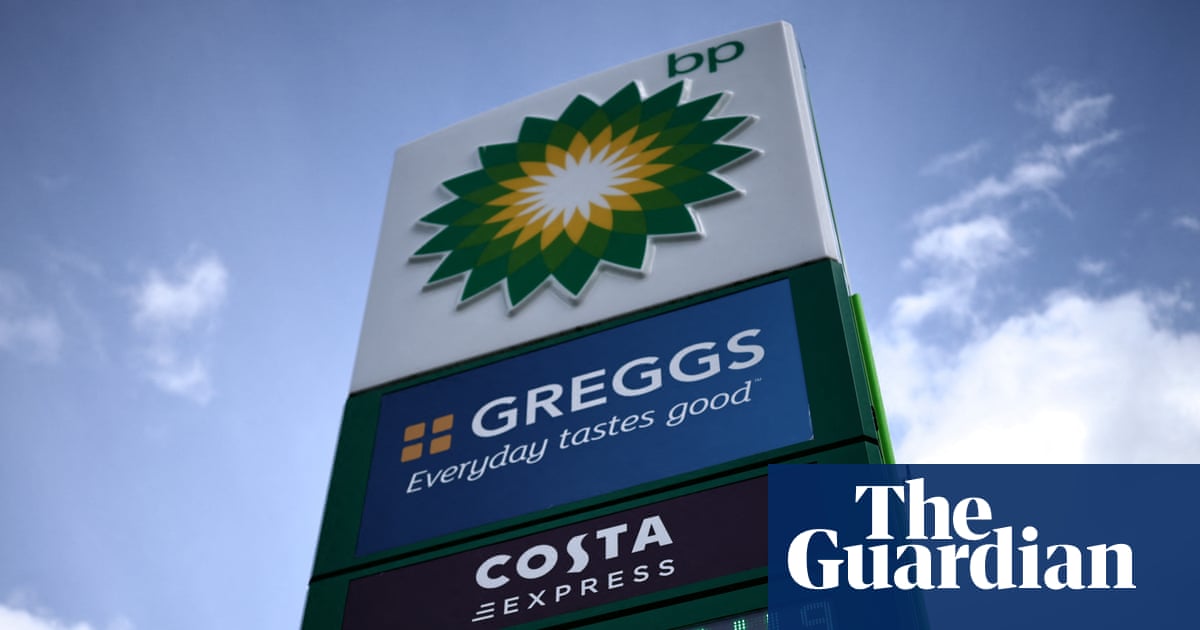
BP reported first-quarter profit of $3.2bn, more than double the $1.38bn earned a year earlier and above expectations, helped by "exceptional oil trading" amid a surge in global crude prices. The article links the profit jump to the Iran war, supply disruptions in the Strait of Hormuz, and Brent trading near $111 a barrel, while also highlighting damage to BP’s Rumaila oilfield and renewed pressure for higher windfall taxes. The news is sector-relevant and geopolitically driven, with implications for oil majors, energy bills, and UK fiscal policy.
The immediate market takeaway is not just higher upstream cash flow; it is a repricing of geopolitical optionality. When physical disruptions force a scramble for barrels, the value accrues disproportionately to firms with trading books, flexible logistics, and refinery exposure — meaning the “best” energy businesses in a shock regime are not necessarily the most purely upstream. That creates a second-order spread trade: refiners and traders can outperform producers if crude volatility stays elevated even after headline prices mean-revert.
The larger risk is that this becomes a policy event rather than a commodity event. Once household bills become salient, governments tend to attack excess profit channels with retroactive levies, tighter deductions, and political pressure on capital returns, which can compress energy equity multiples even if spot prices remain firm. The key distinction is duration: a 2-6 week supply shock boosts earnings estimates; a 2-6 month fiscal response can neutralize the equity upside by dragging on buybacks, payout ratios, and domestic project economics.
The contrarian read is that the market may be overestimating how much of this windfall is durable. Emergency stockpile releases, diplomatic de-escalation, and rapid routing adjustments can reverse a large portion of the price spike quickly, while repair costs and security premiums linger. That asymmetry argues against chasing beta in broad energy here; the cleaner expression is volatility monetization or relative-value positioning, not naked directional longs.
For consumer-facing sectors, the real transmission is through margin pressure with a lag, not an immediate demand collapse. Transport, airlines, chemicals, and discretionary retailers face a delayed hit as fuel surcharges, input costs, and household utility bills rise into the next earnings cycle. That makes the next several weeks a window where energy strength can coexist with underperformance elsewhere, before second-order demand weakness shows up in guidance.
AI-powered research, real-time alerts, and portfolio analytics for institutional investors.
Request DemoOverall Sentiment
mildly positive
Sentiment Score
0.15
