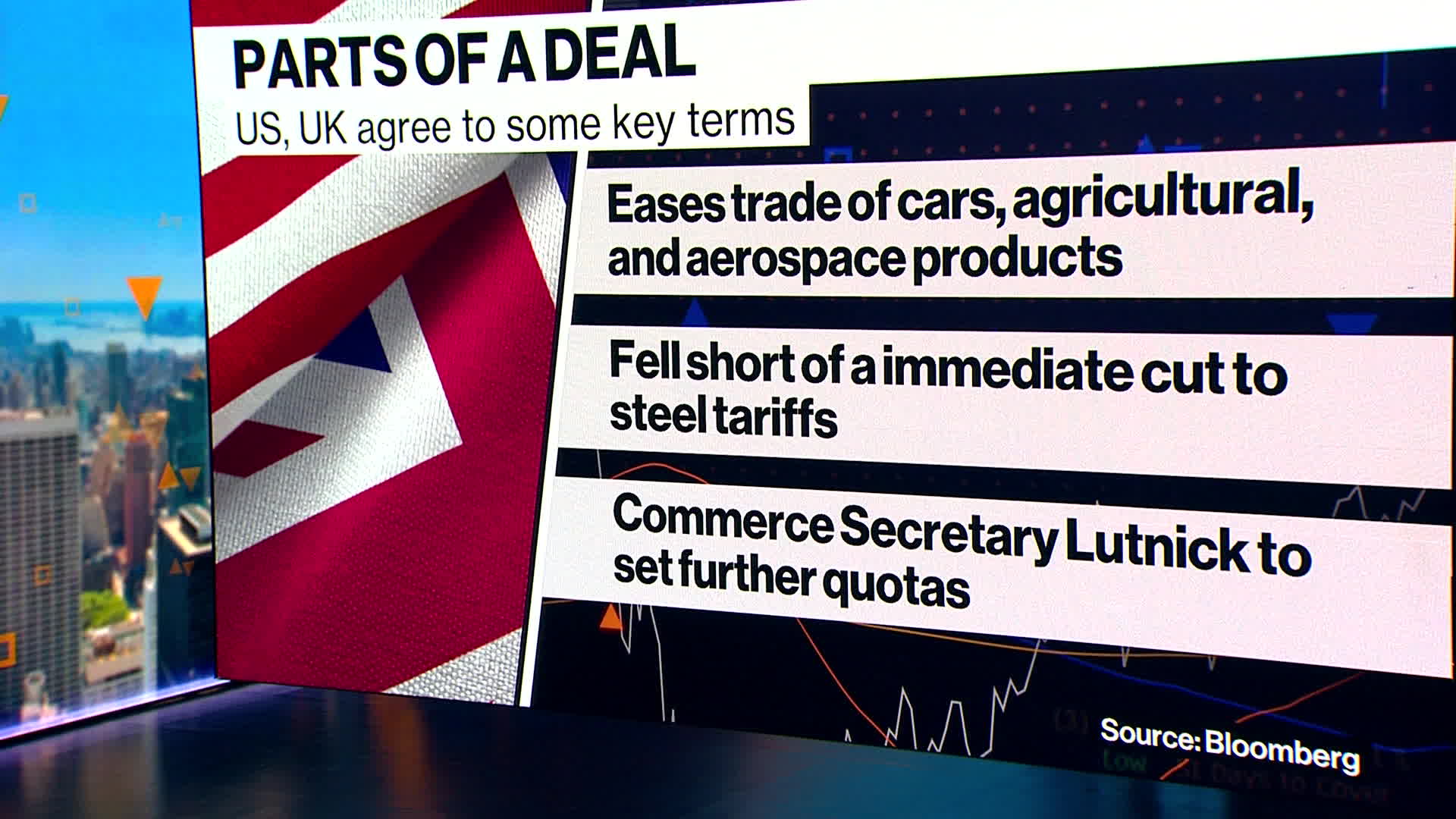
Dartmouth's David Blanchflower discussed the likelihood of Federal Reserve rate cuts, the meeting between President Trump and British Prime Minister Keir Starmer, and the implications of the US trade deal for the UK economy during a Bloomberg Markets interview. Blanchflower characterized the US trade deal as a positive outcome for the UK.
Dartmouth College Professor David Blanchflower's commentary on Bloomberg Markets addressed critical macroeconomic and geopolitical themes, including the potential for Federal Reserve rate cuts, the implications of the meeting between President Trump and British Prime Minister Keir Starmer, and the nature of the US-UK trade deal. Blanchflower's specific assertion that the US trade deal was a "win for the UK" offers a notable perspective on its economic impact. The discussion encompasses key areas such as monetary policy, interest rates, trade policy, and domestic politics, highlighting their interconnected influence on the financial landscape. The reported sentiment is mixed with a neutral tone, and a market impact score of 0.35 suggests the commentary provides context rather than triggering immediate significant market shifts, though the underlying topics are of high importance for investment strategy.
AI-powered research, real-time alerts, and portfolio analytics for institutional investors.
Request DemoOverall Sentiment
mixed
Sentiment Score
0.00
