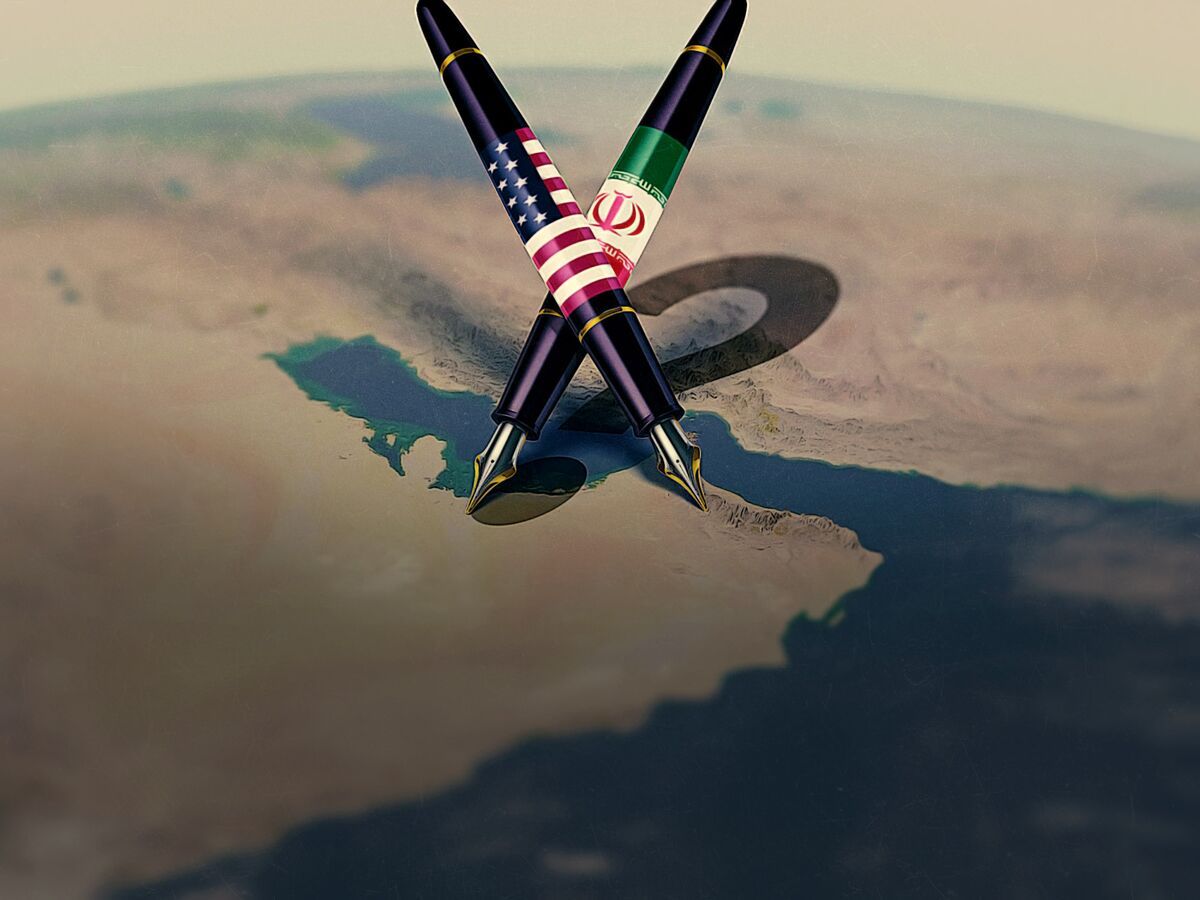
Trump said U.S.-Iran negotiations are "proceeding nicely," with signs of an interim deal to extend the ceasefire and reopen the Strait of Hormuz. The article also notes efforts to expand the Abraham Accords and mediation by Pakistan’s leadership, which could ease geopolitical risk in the Middle East. A breakthrough would be meaningful for energy markets and regional risk assets, though the report does not confirm a finalized agreement.
The immediate market implication is not just lower geopolitical tail risk; it is a potential re-pricing of the entire Gulf logistics stack. If the Strait stays open and enforcement risk fades, the first-order beneficiaries are Asian refiners, shipping insurers, and high-beta EM importers that have been carrying an implicit disruption premium; the second-order loser is anyone positioned for a sustained risk-off energy shock. Crude may not need to collapse for these trades to work—simply removing the probability of a short, violent supply interruption can compress implied volatility across oil-linked assets faster than spot reacts.
The more interesting angle is cross-asset: a détente framework gives policymakers in Saudi Arabia and Qatar more room to normalize regional capital flows, which can support local rates, banks, and sovereign credit spreads even if the macro growth impulse is modest. For EM, this matters most through external balances—net importers get an incremental FX and inflation tailwind over the next 1-3 months, which can create a stronger bid for local duration and reduce pressure on central banks. Conversely, any push for broader diplomatic alignment raises the bar for future sanctions enforcement, which could become a medium-term bearish catalyst for the risk premium embedded in Middle East energy assets.
The consensus risk is assuming a linear path from talk to deal. These negotiations are vulnerable to a single incident at sea, a spoiler attack, or a domestic political reversal in any of the key capitals; that means the trade is more about options than outright cash equity exposure. Over the next 2-6 weeks, headline risk will dominate fundamentals, so positioning should favor convexity and relative value rather than directional beta.
Contrarian view: the market may already be discounting too much de-escalation. If an interim arrangement mainly pauses the immediate shock while leaving sanctions architecture intact, the biggest winner could be volatility sellers rather than oil bears, because realized volatility can compress even if the medium-term supply picture barely changes. That argues for fading the reflexive move lower in crude after the first headline flush and instead focusing on beneficiaries with cleaner pass-through to lower freight, insurance, and input costs.
AI-powered research, real-time alerts, and portfolio analytics for institutional investors.
Request DemoOverall Sentiment
mildly positive
Sentiment Score
0.15
