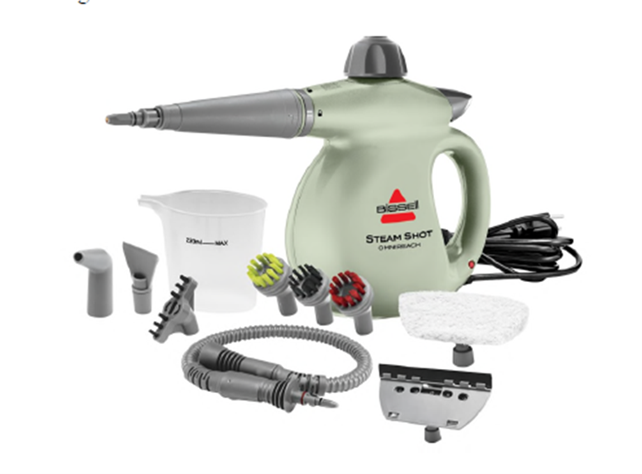
BISSELL recalled about 1.7 million Steam Shot OmniReach and Omni handheld steam cleaner attachments in the U.S. (plus ~96,000 in Canada) after attachments can detach and expel hot water/steam. The company reported 206 incidents including 161 burn injuries (one second-degree burn); BISSELL is providing free replacement attachments and directing consumers to register at www.steamshot2026.com or call 855-417-7001. Affected models include the 4155 and 4171 series and multiple accessory types; consumers are advised to stop using recalled attachments immediately.
This recall acts like a category-level stress test: short-term costs fall disproportionately on the brand and any thin-margin retailers who sold these SKUs, while longer-term costs (warranty replacements, legal defense, higher testing) raise the fixed-cost floor for small-appliance incumbents. Expect a spike in service and logistics hours over the next few quarters that will compress gross margins for smaller vendors and private-label operators more than for larger, diversified appliance makers with scale in reverse logistics.
Regulatory spillover is the bigger, underpriced risk. A visible CPSC action increases the probability of stricter third‑party testing, certification, and disclosure requirements across handheld steam and similar heat‑bearing categories. That raises compliance CAPEX and product cycle time — a structural advantage for firms with deeper engineering and regulatory teams, and a headwind for low-cost offshore OEM-reliant brands.
There is a direct aftermarket arbitrage: demand for replacement parts, certified accessories, and expedited OEM shipping will shift short-term revenue to e-commerce channels and specialist parts sellers, while also creating an opportunity for competitors to buy market share via safety guarantees and targeted promotions. Marketing-driven share gains can be executed quickly; manufacturing and certification advantages play out over 6–18 months.
Key catalysts to watch: weekly return/RMA rates and retailer inventory adjustments (days–weeks), class-action/litigation filings and insurer reserve changes (months), and any CPSC rulemaking or testing guidance updates (6–18 months). The consensus misses the asymmetric winner: scale in compliance and service logistics — not just product features — will determine market share shifts.
AI-powered research, real-time alerts, and portfolio analytics for institutional investors.
Request DemoOverall Sentiment
mildly negative
Sentiment Score
-0.35
