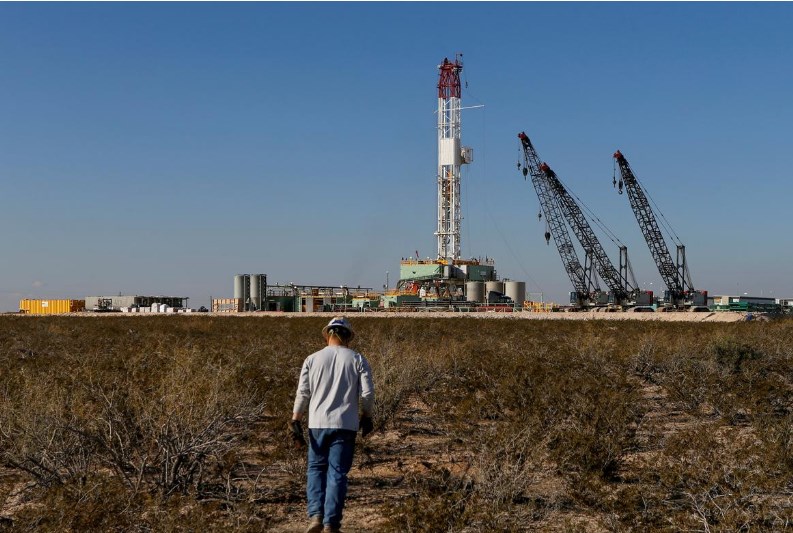
UBS raised its September Brent forecast by $10 to $105 per barrel and WTI by $10 to $97, while lifting December and March estimates by $5 each. The bank warned that continued supply disruption could push Brent above $150 per barrel and trigger demand destruction, with Iran tightening control of the Strait of Hormuz and oil production losses already estimated at 650 million barrels in March-April and potentially over 1 billion barrels by end-May. The update is a bearish risk signal for energy-intensive sectors and supports a higher oil price volatility backdrop.
The market is underpricing how quickly a Hormuz-centered supply shock becomes a cross-asset inflation event rather than just an energy trade. The first-order beneficiaries are the obvious upstream producers, but the more durable winner is anyone with low-cost, unhedged barrels and short-cycle pricing power; the losers are downstream refiners, airlines, chemicals, and any industrials already running on thin input-cost buffers. If crude spikes fast enough to force demand destruction, the second-order effect is not just margin compression — it is inventory liquidation and working-capital stress across transport and petrochemicals.
The real catalyst window is days to weeks, not quarters. Geopolitical headlines can re-rate front-month oil far faster than physical supply can adjust, and once scarcity fears take hold, options markets can overshoot spot via volatility feedback and dealer hedging. That creates a reflexive setup where energy exposure is convex to the upside, but the unwind risk is equally violent if shipping lanes are clarified or a diplomatic off-ramp emerges.
The contrarian miss is that extreme oil spikes can become self-defeating before the market fully prices them. At higher prices, the fastest demand response comes from discretionary fuel use, airline capacity, and petrochemical run-rates, so the ceiling may be set by destruction rather than geology. In that regime, the best asymmetry is not outright long beta, but structures that monetize a near-term vol shock while limiting downside if the situation de-escalates.
UBS’s forecast revisions also matter as a sentiment signal: when a large sell-side house starts baking in higher near-term prices, systematic and discretionary accounts often chase the move late. That means the cleaner trade may be to own the second derivative — volatility, quality upstream, and relative shorts in energy-intensive sectors — rather than chase broad commodity indices after the initial headline reaction.
AI-powered research, real-time alerts, and portfolio analytics for institutional investors.
Request DemoOverall Sentiment
mildly negative
Sentiment Score
-0.35
Ticker Sentiment
