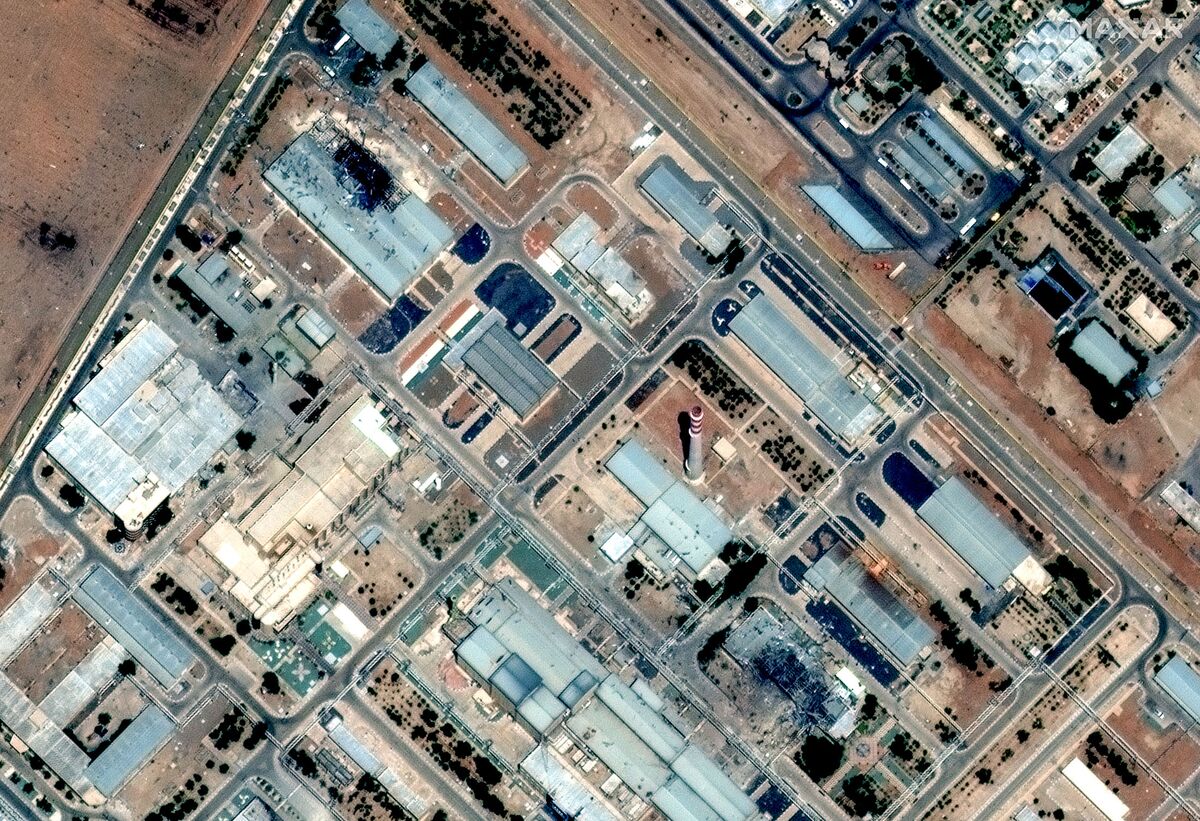
The UN's International Atomic Energy Agency (IAEA) reported that satellite imagery shows no evidence of near-bomb grade uranium being moved from Iran's Isfahan site since a US attack two months ago. IAEA Director General Rafael Mariano Grossi confirmed the material remains in place, while reiterating calls for Tehran to fulfill its legal obligations and allow monitoring to resume. This indicates a stable immediate status of the material, but underscores persistent issues with Iran's nuclear transparency and cooperation with international oversight.
The International Atomic Energy Agency's assessment that near-bomb-grade uranium has not been moved from Iran's Isfahan site provides a short-term de-escalation of geopolitical tensions, reflected in the mildly positive sentiment signal. This observation, based on satellite imagery following a US attack two months prior, suggests the immediate situation is contained. However, this is counterbalanced by a significant unresolved risk, as highlighted by the IAEA Director General's call for Tehran to resume legally-mandated monitoring. The lack of on-site verification and Iran's non-compliance on transparency issues underscore a persistent source of friction and uncertainty, justifying the moderate market impact score and the cautious overall tone. This dynamic implies that while an immediate crisis over the material's location has been averted, the fundamental drivers of geopolitical risk in the region remain firmly in place.
AI-powered research, real-time alerts, and portfolio analytics for institutional investors.
Request DemoOverall Sentiment
mildly positive
Sentiment Score
0.20
