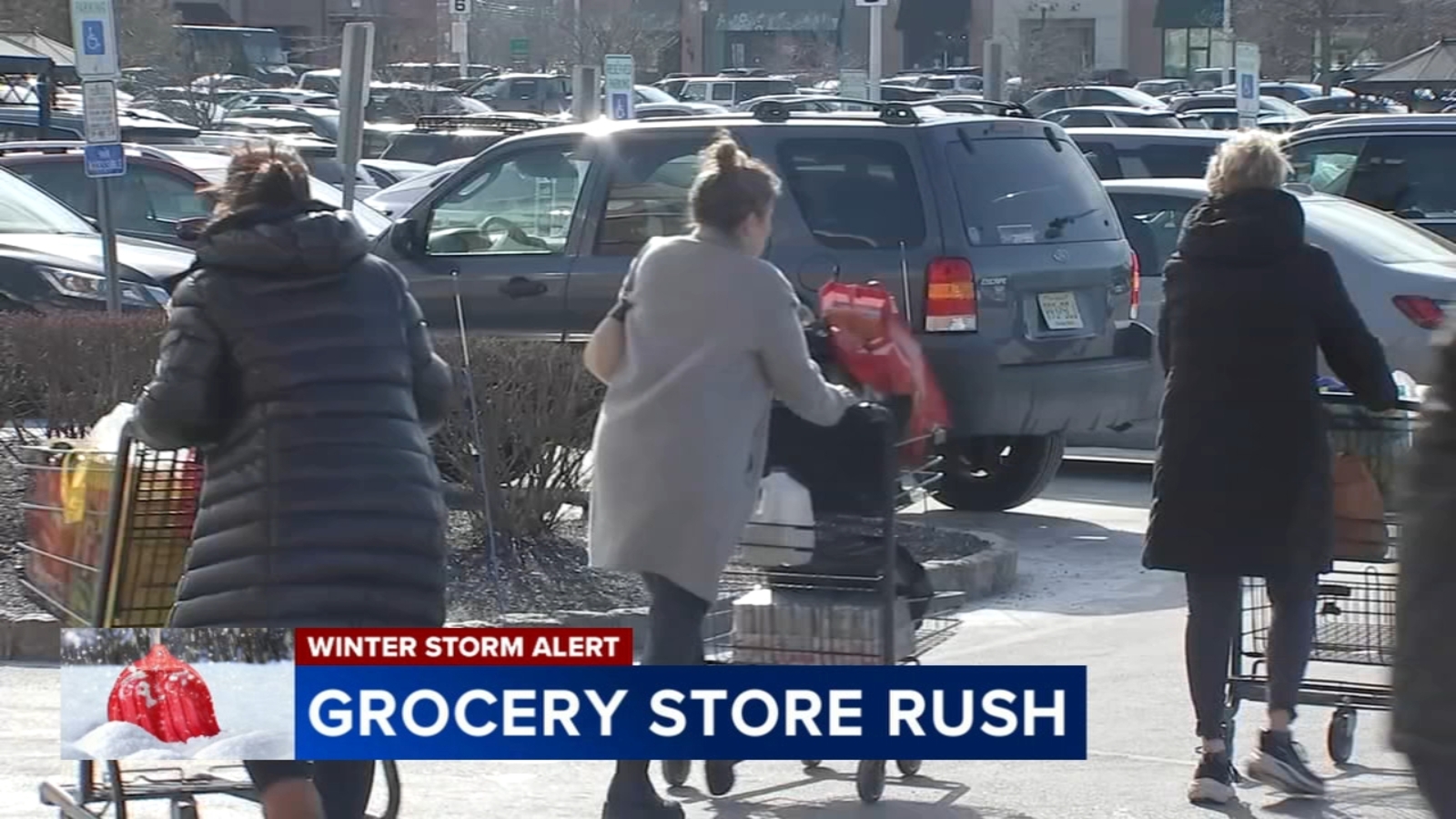
Philadelphia-area grocery stores experienced heavy shopper traffic ahead of an approaching winter storm, with Rastelli Market Fresh reporting roughly a 25% business increase the prior day and expecting a 60–70% increase on the day of reporting; shelves are being restocked nightly and ice-melt sold out. The activity should lift short-term sales and inventory turnover for regional grocers, but is a localized, weather-driven event unlikely to move broader markets.
Market structure: Short-term winners are brick-and-mortar grocers (KR, WMT, COST) and seasonal suppliers of de-icing materials (CMP) as households pre-buy staples; losers are non-essential retail (TGT discretionary aisles) and regional grocers with thin inventory. Pricing power is limited for staples but high for niche winter supplies (ice melt, fuel) for 48–96 hours; grocers win incremental volume (est. +20–70% foot traffic on storm day) but margins may compress as stores restock at higher logistics cost.
Risk assessment: Primary tail risks are a prolonged multi-day transportation shutdown that causes spoilage and margin erosion, and anti-price-gouging enforcement that could cap pricing on de-icing products within 7–30 days. Time horizons: immediate (0–7 days) sees sales spikes and logistics stress, short-term (1–8 weeks) sees inventory rebuild and cost normalization, long-term (quarters) could modestly boost grocery share vs. discretionary if storms accelerate at-home consumption trends.
Trade implications: Execute short-dated trades to capture the event: buy tactical exposure to CMP and XLP while avoiding discretionary names; consider short-duration options to exploit elevated near-term volatility. Logistics carriers (UPS, FDX) may show temporary EPS volatility from route disruptions — suitable for short-term hedges or event-driven option plays rather than directional multi-quarter positions.
Contrarian angles: Consensus treats storm buys as one-off; however, repeated storms can raise baseline grocery volumes and membership churn toward bulk players (COST) over 6–12 months — underappreciated optionality. Conversely, de-icing suppliers face inventory and regulatory risk that could make option plays binary rather than steady appreciation; historical Northeast storms produced sharp, short-lived revenue bumps (single-digit % lift over week) not sustained share shifts.
AI-powered research, real-time alerts, and portfolio analytics for institutional investors.
Request DemoOverall Sentiment
mildly positive
Sentiment Score
0.08
