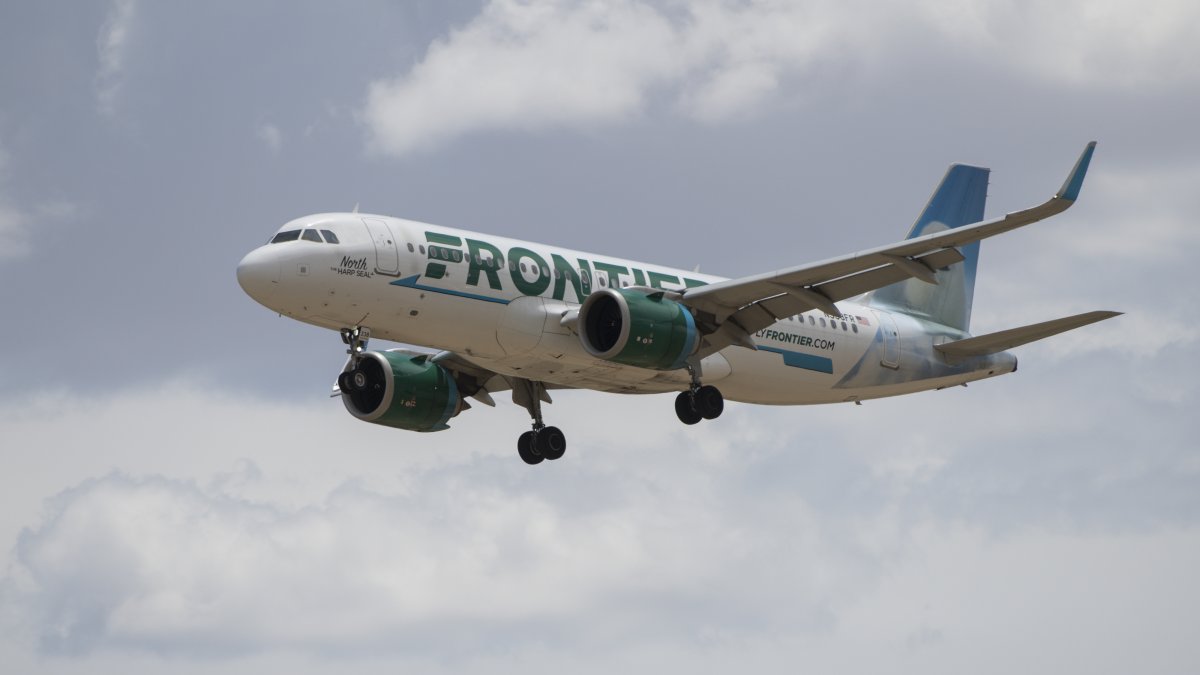
A Frontier Airlines Airbus A321 carrying 224 passengers and 7 crew reportedly struck a person on the runway during takeoff at Denver International Airport around 10:15 p.m., prompting an emergency evacuation via slides after the pilot reported engine fire and smoke in the aircraft. The flight, originally scheduled to land at Los Angeles International Airport at 12:16 a.m., was rescheduled for Saturday morning. Frontier said it is investigating the incident with airport and safety authorities.
This is a sentiment shock to the narrow slice of travel demand that is price-sensitive and schedule-flexible, but the larger market effect is more about operational scrutiny than true demand destruction. For low-cost carriers, the key second-order risk is not the one-off incident itself; it is the possibility of higher maintenance, insurance, and regulatory overhead if this feeds a broader narrative of runway safety or emergency response gaps. That pressure tends to hit ULCCs disproportionately because their margin model is built on high aircraft utilization and minimal slack.
The competitive read-through is mildly bullish for larger network carriers and airport operators with stronger perceived safety and redundancy, but the effect should be short-lived unless investigators identify a systemic failure. If the event produces even a modest increase in traveler caution around one airline or one airport, the first beneficiaries are the carriers with better brand trust and schedule recovery capacity. Conversely, any sustained headlines around evacuation procedures or airport coordination can raise indirect costs for the whole sector via tighter operating protocols and slower turn times.
The tail risk is a regulator-driven capex or process reset, which would matter over months, not days. In the near term, this is more likely to be a volatility event than a fundamental earnings event, unless there are material fleet or airport-liability implications. The market is probably underpricing the reputational asymmetry: a single high-visibility safety incident can depress booking conversion for a low-fare carrier more than it would for a legacy airline, because price leadership only matters if customers remain willing to trade off safety perception for fare savings.
AI-powered research, real-time alerts, and portfolio analytics for institutional investors.
Request DemoOverall Sentiment
mildly negative
Sentiment Score
-0.40
