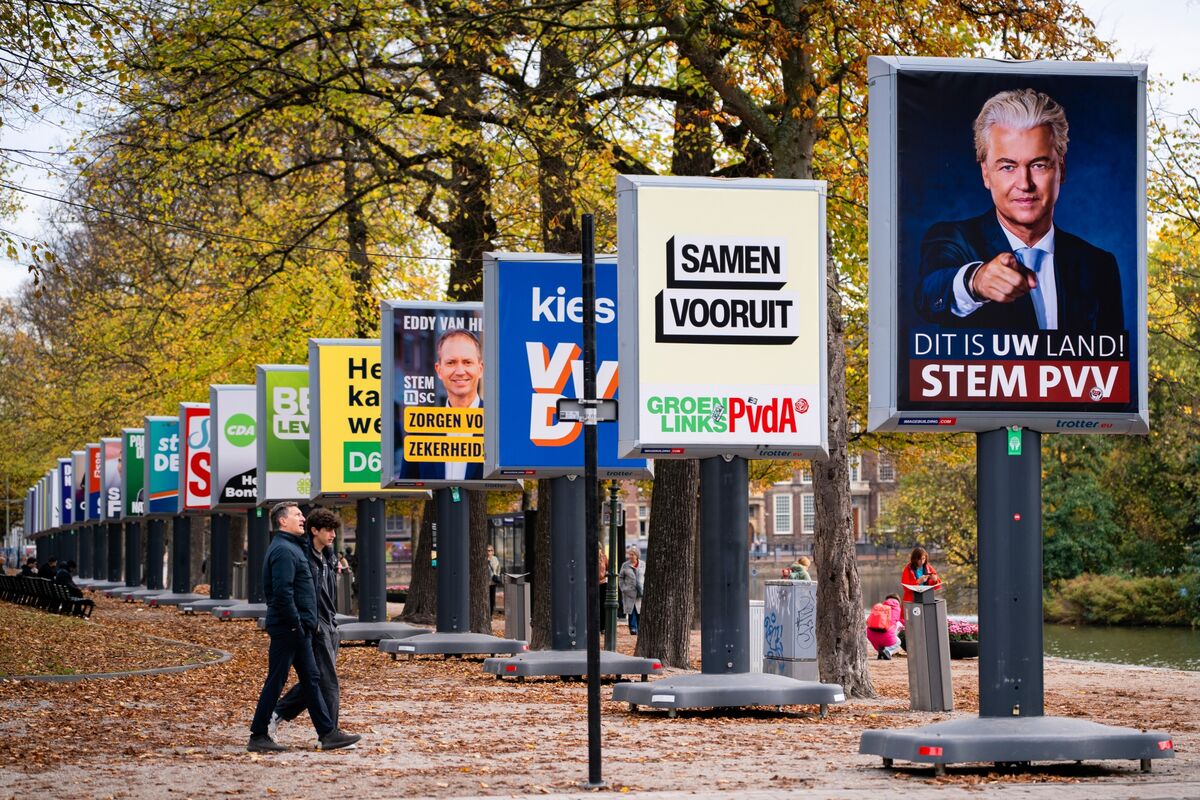
Dutch voters are heading to the polls Wednesday to determine the country's political direction after two years of instability under a right-wing administration. The election, triggered by Geert Wilders' far-right Freedom Party withdrawing from government, will decide if the Netherlands charts a new path, potentially signaling a shift in governance.
The Netherlands is preparing for a general election on Wednesday, an event triggered by the withdrawal of Geert Wilders' far-right Freedom Party from the government in June. This ballot follows two years of political instability under the most recent right-wing administration, with the core question being whether the country will chart a new, potentially more centrist, political path. The outcome will also determine the future political standing of Geert Wilders.
Despite the political significance, financial market signals indicate a neutral sentiment with a very low market impact score of 0.1. This suggests that investors currently perceive the immediate economic or corporate implications of the Dutch election as limited or already priced in. The absence of specific company mentions or detailed policy impacts in the article reinforces this broad, macro-level assessment.
While the election could lead to shifts in future regulatory or fiscal policies depending on the new government's composition, the article provides no specific details to assess these potential impacts. Therefore, any direct financial implications remain largely speculative at this juncture, with market participants seemingly adopting a wait-and-see approach.
AI-powered research, real-time alerts, and portfolio analytics for institutional investors.
Request DemoOverall Sentiment
neutral
Sentiment Score
0.00
