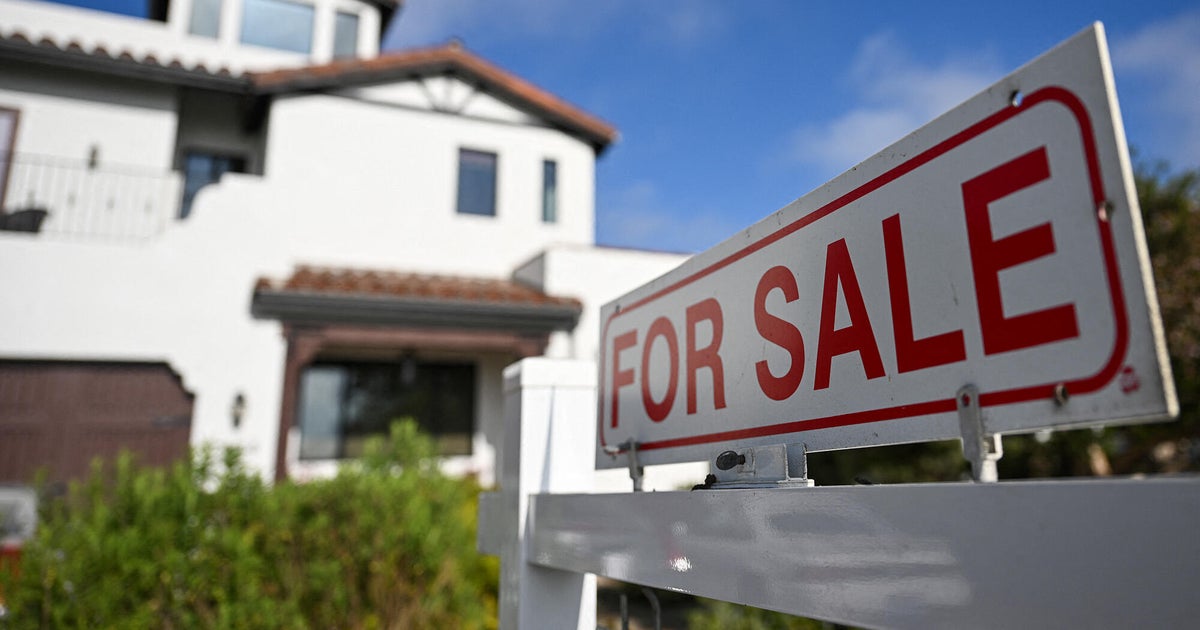
President Trump announced plans to ban large institutional investors from buying single-family homes and will urge Congress to codify the restriction, with details to be shared at Davos; the White House provided no further specifics. The announcement triggered immediate share declines in home-ownership and rental firms—Invitation Homes down >7%, American Homes 4 Rent down 6.3%, and Blackstone down ~4%—even though institutional investors represent roughly 1% of U.S. single-family housing stock (higher in cities like Atlanta at 4.2%). Policymakers and analysts are divided: a GAO report linked institutional buying to higher rents and prices in concentrated markets, while some experts warn a ban could reduce renovating/resale activity and produce unintended consequences for housing supply.
Market structure: Direct losers are single-family rental REITs and listed operator-platforms (INVH -7%, AMH -6.3% intraday) with nearest-term cash-flow and valuation downside; diversified asset managers (BX -4%) face headline risk but far larger earnings diversification. Institutional ownership is ~1% nationally but concentrated (Atlanta 4.2%, Dallas 2.6%), so price/rent pressure is local not systemic; removing institutional bids could reduce renovation-driven supply, tightening effective inventory in pockets even as headline “more homes for buyers” is limited.
Risk assessment: Tail risk of Congressional codification or state-level bans is low-to-moderate but high-impact for affected owners — price shock to SFR equity values could exceed 20–30% in stressed regional markets. Timeline: immediate (days) = sentiment shock and vol spike; short-term (weeks–months) = potential guidance cuts, credit-spread widening, slowed asset sales; long-term (quarters–years) = structurally higher need for 3–4M homes (Goldman estimate) means fundamentals unlikely to reverse without supply-side buildout. Watch-points: Davos speech (~2–3 weeks), committee bills (3–6 months), GAO/FHFA reports.
Trade implications: Tactical shorts: establish 1–2% portfolio short exposure to INVH and AMH via 1–3 month put spreads (10–20% OTM) to monetize headline volatility; pair trade short INVH / long PHM (Pulte) 1–2% each for relative exposure to owner-occupier demand. Opportunistic long BX (2–4% position) on any >8% additional sell-off — buy with a 6–12 month horizon and hedge with BX 6–9 month protective puts if Congress signals codification. Rotate: underweight SFR REITs, overweight homebuilders and building materials for 6–12 months.
Contrarian view: Consensus ignores magnitude: 1% national share means long-term structural housing tightness persists, so a permanent demand boost to homebuilders and construction is plausible. Market reaction is overdone for diversified managers (BX) but rational for pure-play SFR names; historical precedent (regulatory threats often dilute before codification) suggests waiting 2–6 weeks for Davos/commentary before adding sizeable directional positions. Unintended consequence: a ban could reduce rehab/resales and actually tighten supply, benefiting homebuilders and pushing rents/prices higher in 12–24 months.
AI-powered research, real-time alerts, and portfolio analytics for institutional investors.
Request DemoOverall Sentiment
moderately negative
Sentiment Score
-0.35
Ticker Sentiment
