

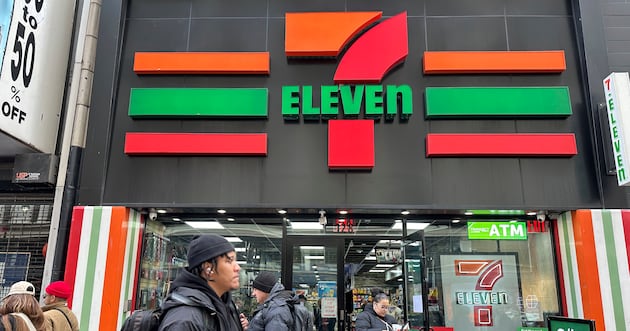
7-Eleven plans to close more than 600 stores in 2026 while adding 205 locations this year, with many closures converting into wholesale fuel-only sites that are no longer counted in the store base. The move reflects a broader shift toward destination-format convenience stores, fresh food, and expanded 7NOW delivery as foot traffic weakens, under new CEO Stephen Hayes Dacus. The article also notes Seven & i expects a $59.5 billion loss in the current fiscal year amid tariff pressure and supply-chain cost scrutiny.
This is less a pure store-closure story than a capital allocation reset: the parent is pruning low-productivity square footage while pushing traffic into higher-margin food and digital channels. That usually helps gross margin mix over a 6-18 month horizon, but it also signals that same-store growth in the legacy model is probably saturating, which is a headwind for suppliers tied to impulse-driven convenience traffic.
The second-order loser is the ecosystem built around low-ticket, high-frequency visits: packaged snack vendors, fountain beverage suppliers, and regional distributors that depend on dense store counts for route efficiency. If more sites are converted to fuel-only or wholesale formats, the average basket quality may rise in surviving locations, but unit counts for CPG partners can still compress, especially in rural/suburban trade areas where a closure reroutes consumers to competing chains rather than to the next 7-Eleven.
For energy retail, the shift is incrementally positive for branded fuel operators with stronger non-fuel margins, but the benefit is not linear because wholesale-only sites are lower-touch and lower-opex. The key question is whether this becomes a blueprint for other chains under pressure from labor costs and e-commerce: if yes, it favors operators with foodservice execution and digital ordering, while penalizing commodity-style forecourt models. On timing, the near-term reaction is likely muted; the real catalyst window is the next 2-4 quarterly reports as management proves whether closure-driven savings offset traffic leakage.
Consensus is probably underestimating how much of this is defensive rather than offensive. Management may frame it as modernization, but the scale of pruning suggests the company is trying to protect returns in a tougher consumer and tariff environment, which often precedes broader asset rationalization. If fuel prices retreat sharply, the thesis weakens because the motivation to visit remains more price-sensitive, but if high gas persists, destination-format winners should gain share faster than the market currently implies.
AI-powered research, real-time alerts, and portfolio analytics for institutional investors.
Request TrialOverall Sentiment
mildly negative
Sentiment Score
-0.15
Ticker Sentiment
