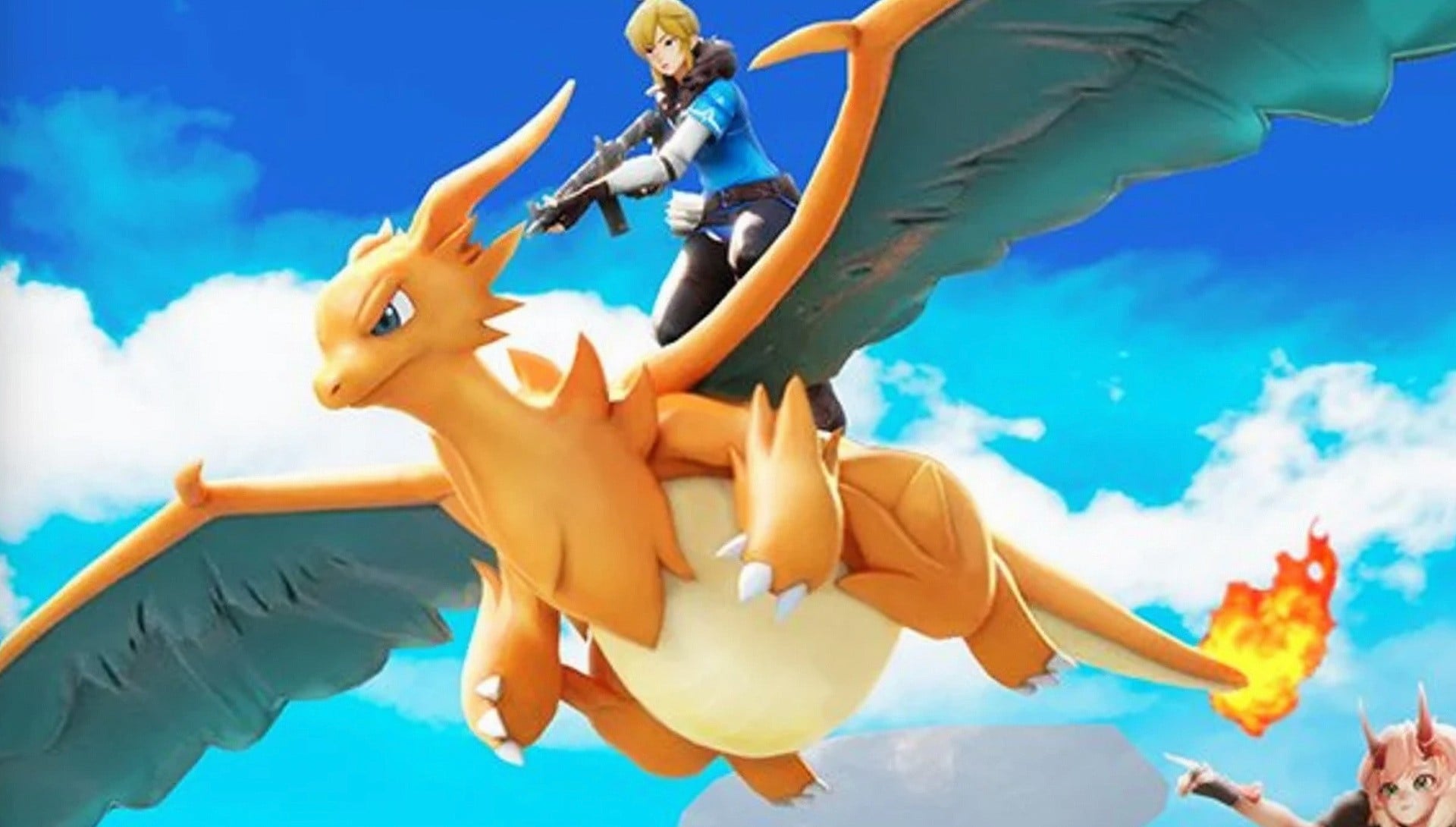
Pickmos has been removed from Steam after publisher Networkgo intervened amid controversy over alleged copying of designs from Pokémon, Palworld, and The Legend of Zelda: Breath of the Wild. Networkgo says it is supervising the PocketGame team and the game will be re-released only after revisions and final approval. The news points to legal/IP and reputational risk, but the immediate market impact is likely limited.
This is a small but useful signal for the broader IP-risk regime in gaming: publishers are becoming more sensitive to platform-level and legal distribution risk, not just end-market demand. The second-order effect is that lower-quality copycat content increasingly faces a faster kill switch at the storefront stage, which compresses the monetization window for anything that looks derivative. That should modestly benefit differentiated incumbents with strong brand moats, because the marginal competitor now has to clear not only user acquisition hurdles but also platform and counsel review.
The immediate loser is the long tail of low-budget studios whose business model depends on quickly shipping attention-grabbing clones before enforcement catches up. In practice, this raises effective cost of capital for speculative indie launches: more compliance spend, longer approval cycles, and higher probability of sunk-development losses. The more important read-through is to platform operators and publishers, where even a small increase in pre-release legal scrutiny can reduce store-fill rates and delay revenue recognition, but also lower tail liability. That asymmetry makes this a governance-positive event for larger publishers with cleaner portfolios.
Catalyst-wise, the key horizon is months, not days: any re-release will likely require substantial asset replacement, and the probability of a meaningful legal claim or settlement increases as the controversy lingers. The upside reversal case is simple — if the team genuinely overhauls the art, the title can come back as a generic creature-battler with much less legal overhang, but that also likely strips out the only reason it had attention. Consensus may be underestimating how often these incidents end in project write-downs rather than relaunches, which is modestly bearish for the economics of copycat-driven development overall.
AI-powered research, real-time alerts, and portfolio analytics for institutional investors.
Request TrialOverall Sentiment
moderately negative
Sentiment Score
-0.35
