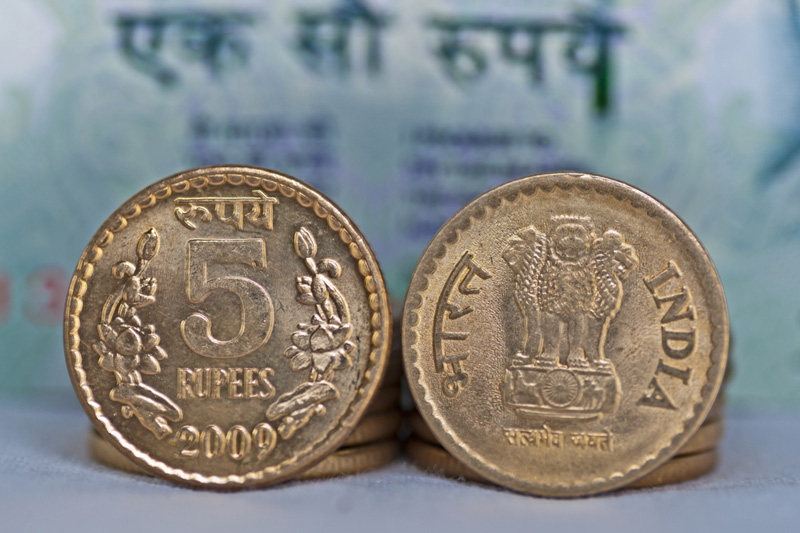
The Indian rupee closed at a record low, with USD/INR up 0.3% to 94.85, as Brent crude stayed above $110 per barrel and raised pressure on India's current-account deficit. Ten-year bond yields rose 1 basis point to 6.995% while India sold 240 billion rupees of treasury bills. The combination of higher oil, weaker FX, and rising yields points to mild near-term pressure on Indian markets.
The immediate loser is not just the currency itself but India’s domestic demand complex that relies on imported energy and stable financial conditions. A weaker rupee plus firmer crude is a double-tax on margins for airlines, chemicals, paints, and transport-heavy industrials; the market usually underprices the second-order effect that higher FX pass-through hits earnings with a 1-2 quarter lag, not instantly. Banks are a more nuanced read: funding costs may stay contained for now, but sustained FX stress tends to widen credit spreads before it shows up in reported asset quality.
The bigger macro signal is that India is being forced to absorb an external terms-of-trade shock while global rates remain restrictive, which raises the probability of policy tradeoffs rather than clean policy support. If oil stays elevated for several weeks, the RBI likely leans on liquidity tools rather than direct intervention, which can support front-end bonds but leaves the currency vulnerable if reserves are used defensively. That setup usually favors duration less than FX hedges: bond rallies can be temporary if the current-account narrative keeps deteriorating.
The contrarian view is that the rupee move may be closer to a positioning flush than the start of a disorderly trend, because crowded consensus trades often extrapolate oil-led weakness too far when India’s macro hedges are still intact. If geopolitical risk eases or crude retraces even modestly, INR can rebound quickly because valuation-driven capital inflows tend to reappear after stress fades. The real tail risk is a multi-month oil shock that coincides with tighter global liquidity, which would force a repricing of India growth expectations and not just currency assumptions.
AI-powered research, real-time alerts, and portfolio analytics for institutional investors.
Overall Sentiment
mildly negative
Sentiment Score
-0.34
