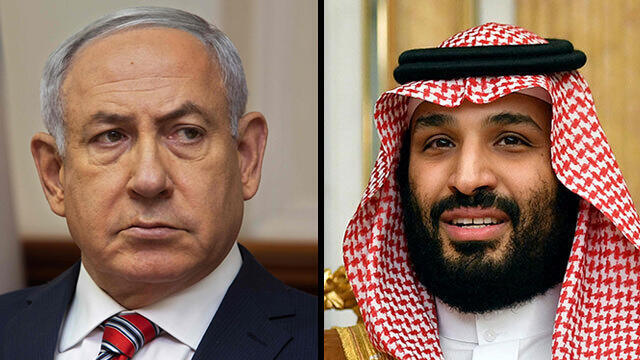
The 2025 Nation Brands Index places Israel last (49th) after a 6% decline—the sharpest drop since the index began nearly 20 years ago—based on a survey of 40,000 respondents in 20 countries conducted Aug–Sep 2025. The study flags collapsing international perception, rising de facto boycotts hitting the 'Made in Israel' brand, and reputational damage that could depress tourism, foreign investment and put pressure on Israel's credit rating despite strong objective indicators (GDP per capita, life expectancy, education placing Israel near the global top ten). The index also notes Saudi Arabia improving by over 4% and the Palestinian Authority up 1.1%, and the initiative behind the study is proposing a global AI-and-data platform to rebuild Israel’s national brand.
Market structure: A sustained reputational hit to Israel shifts demand away from Israeli exports, tourism, and FDI—beneficiaries are regional rivals (notably Saudi Arabia) and global energy/defense suppliers. Expect downward pressure on Israel equity indices (EIS) and tourism-linked revenues over 3–12 months, while Saudi-listed assets (KSA ETF) and oil-sensitive sectors (XLE, BNO) pick up marginal inflows. FX flows could weaken ILS against USD/EUR in the near term; Israeli sovereign and corporate CDS likely to widen, pressuring long-duration local bonds.
Risk assessment: Tail risks include rapid escalation of regional conflict, coordinated institutional divestment campaigns, or multilateral sanctions—each could drive >200–300bp sovereign spread widening and >20% equity drawdowns within weeks. Near-term (days–weeks) volatility will be event-driven; short-term (months) sees tourist and FDI declines; long-term (years) risks are structural brand damage shifting supply chains. Hidden dependency: continued US diplomatic and defense support is the primary mitigant; its erosion would accelerate capital flight.
Trade implications: Tactical trades should exploit divergence: long Saudi exposure and energy/defense names; hedge or short Israel equity exposure via EIS puts or inverse positions; use options to limit cost given event risk. Time trades to liquidity windows—build over 2–8 weeks and re-evaluate on three catalysts (30/60/90‑day milestones: NBI follow-ups, sovereign rating actions, major diplomatic events).
Contrarian angles: The market may overshoot—Israel’s top‑10 objective fundamentals (GDP/capita, R&D, universities) imply a structural floor; a >20% selloff in EIS could create selective buying opportunities in Israeli tech winners. Historical parallels (post‑conflict recoveries) suggest reputational issues can be partially reversed over 12–36 months with active public diplomacy and capital incentives, creating asymmetric recovery upside for disciplined buyers.
AI-powered research, real-time alerts, and portfolio analytics for institutional investors.
Request DemoOverall Sentiment
strongly negative
Sentiment Score
-0.60
