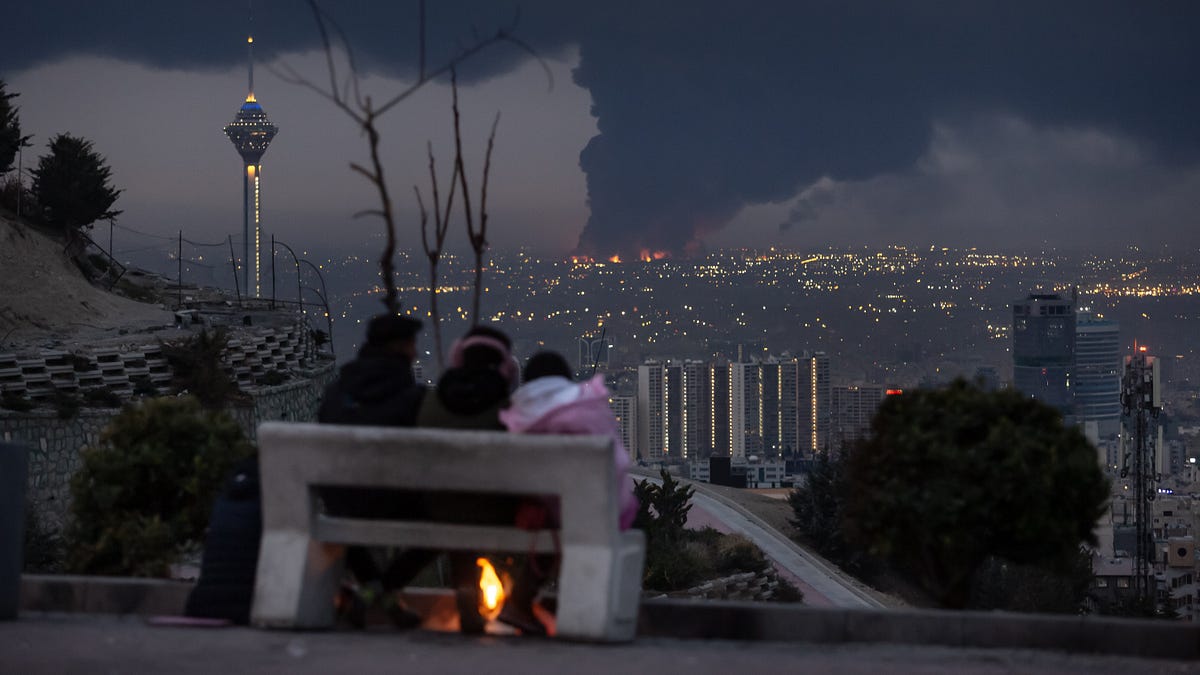
Oil spiked to nearly $120/bbl (briefly topping $100/bbl for the first time since 2022) as U.S.–Israeli strikes on Iran intensified; Bahrain and Kuwait declared force majeure and shipping through the Strait of Hormuz reportedly fell to 'practically zero' for several days, threatening roughly 20% of global oil flows. Global markets sold off (Nikkei down >5% intraday; European indices -2% to -3%) while strategic military assets were struck (AN/TPY-2 THAAD radar in Jordan damaged), the U.S. began using UK bases for related operations, and the White House did not rule out a draft. Implication: acute supply shock and geopolitical risk will drive sustained volatility in energy, shipping, and defense-related sectors and warrants portfolio defensiveness and close monitoring of Gulf-exposed assets.
Market plumbing — not just headline barrels — is the real amplifier: routing changes, war-risk premiums and selective refinery outages will concentrate shortages in specific products, ports and trading hubs rather than produce a uniform supply shortfall. Expect voyage times for tankers re‑routing around hostile waters to rise meaningfully (single‑digit to low‑double digit percent days added), which multiplies working-capital needs across refiners, trading houses and physical storage providers and tightens prompt spreads well before headline crude benchmarks move permanently higher.
Defense and infrastructure losses create persistent, lumpy demand: destruction of high-end sensors and radar assets forces a shift to alternative interceptors and temporary sensors, depleting existing inventories and creating near‑term procurement fast lanes for primes. Replacement cycles are measured in years but procurement budgets spike in quarters — that dynamics favors companies that can deliver upgrades and sustainment quickly, and creates asymmetric margin pressure on governments that will prioritize stockpile replenishment over discretionary programs.
Catalysts and timeframes: near term (days–weeks) the principal risks are episodic shocks driven by targeting patterns and insurance/charter dislocations; medium term (3–9 months) the key pivot will be whether coordinated releases, diplomatic de‑escalation, or a shale ramp dampen forward prices; long term (1–3 years) replacement of destroyed radar and water/desalination infrastructure will reallocate defense and industrial capex. The stealth risk is speed: AI‑assisted targeting can shorten escalation ladders, making what historically took months happen in weeks and compressing decision windows for markets and policymakers.
AI-powered research, real-time alerts, and portfolio analytics for institutional investors.
Request DemoOverall Sentiment
extremely negative
Sentiment Score
-0.90
Ticker Sentiment
