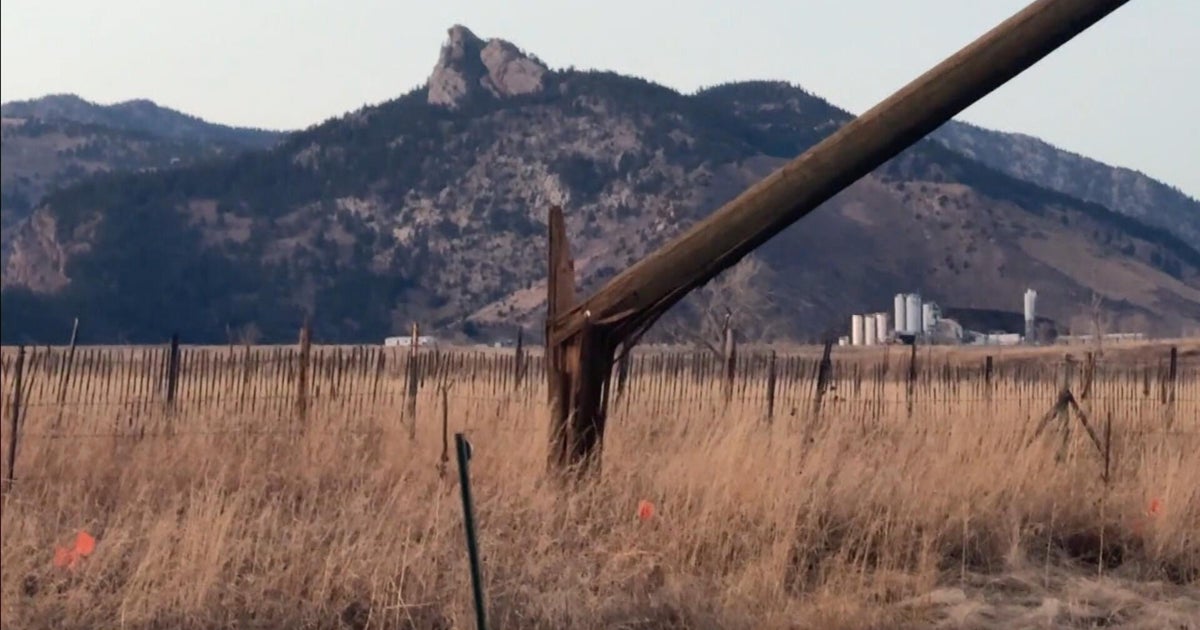
Xcel Energy implemented a proactive public-safety power shut-off in Jefferson County, Colorado, leaving thousands of customers without power after lines were taken down around 10 a.m.; re-energizing was planned after 6 p.m. but crews must visually inspect for wind damage (including two snapped poles) and some areas may remain offline for hours to several days, with drones/helicopters limited to daylight. The outages disrupted businesses and traffic signals, prompted at least 13 electrical-hazard or smoke-related calls in one four-hour span, and highlighted an insurance gap as at least one small restaurant reported business-interruption coverage denial because the shutdown was pre-emptive rather than weather-caused, signaling operational and reputational risks for the utility and localized economic stress without material broader market implications.
Market structure: Short-term losers are Xcel Energy (XEL) and small businesses in affected ZIP codes (lost sales, spoilage); winners are grid-hardware and service providers (vegetation management, mobile generation, drone/inspection contractors) that see near-term demand surge. Regulated utilities can pass a portion of hardening capex to ratepayers, shifting long-term pricing power toward incumbents that win rate-case approval; expect incremental demand for transformers, undergrounding and telecom upgrades over 6–24 months. Cross-asset: expect a small widening in municipal/utility credit spreads (10–30 bps) for regional issuers, a bump in XEL option IVs (+20–40% near-term), and modest short-lived diesel/gas demand uptick for backup generation.
Risk assessment: Tail risks include a high-profile wildfire or a successful class-action/regulatory suit that could hit XEL EPS by >15% and force accelerated remediation spending; regulatory changes mandating compensation for pre-emptive outages is a plausible low-probability, high-impact outcome in 30–180 days. Timeline: immediate operational outages (hours–days), reputational/regulatory noise (weeks–months), and capex/rate-case outcomes (6–24 months). Hidden dependencies include insurance contract language (BI exclusions), daylight-limited inspection capacity (delays), and political pressure ahead of state PUC dockets. Key catalysts: Colorado PUC inquiries, insurer litigation, XEL outage post-mortem expected in 30–60 days.
Trade implications: Direct tactical: short XEL (modest) or buy downside protection given reputational/regulatory risk; strategic: long suppliers of grid hardening (e.g., PWR, ETN, ABB) for 6–18 months anticipating accelerated spend. Options play: buy 60–120 day XEL put spreads to cap premium; pair trade: long Quanta (PWR) / short XEL to express capex tailwind vs operational/regulatory risk. Rotate portfolio: trim small retail exposure in affected regions and add 1–3% exposure to infrastructure suppliers and select muni bonds with diversified utility credits.
Contrarian angles: The market could over-penalize XEL near-term while underpricing a regulatory-driven capex subsidy: if XEL wins rate-case adjustments, rate base could expand ~2–4% within 12–18 months reversing losses. Historical parallel: PG&E-style panic is unlikely for XEL given investment-grade balance sheet and regulated model, so downside is capped relative to unregulated generators — a measured hedge (options) is preferable to sizey cash shorts. Unintended consequence: insurer pushback could drive new BI products or public compensation schemes that shift costs back to utilities or governments, creating asymmetric outcomes for suppliers vs. utilities.
AI-powered research, real-time alerts, and portfolio analytics for institutional investors.
Request DemoOverall Sentiment
moderately negative
Sentiment Score
-0.40
Ticker Sentiment
