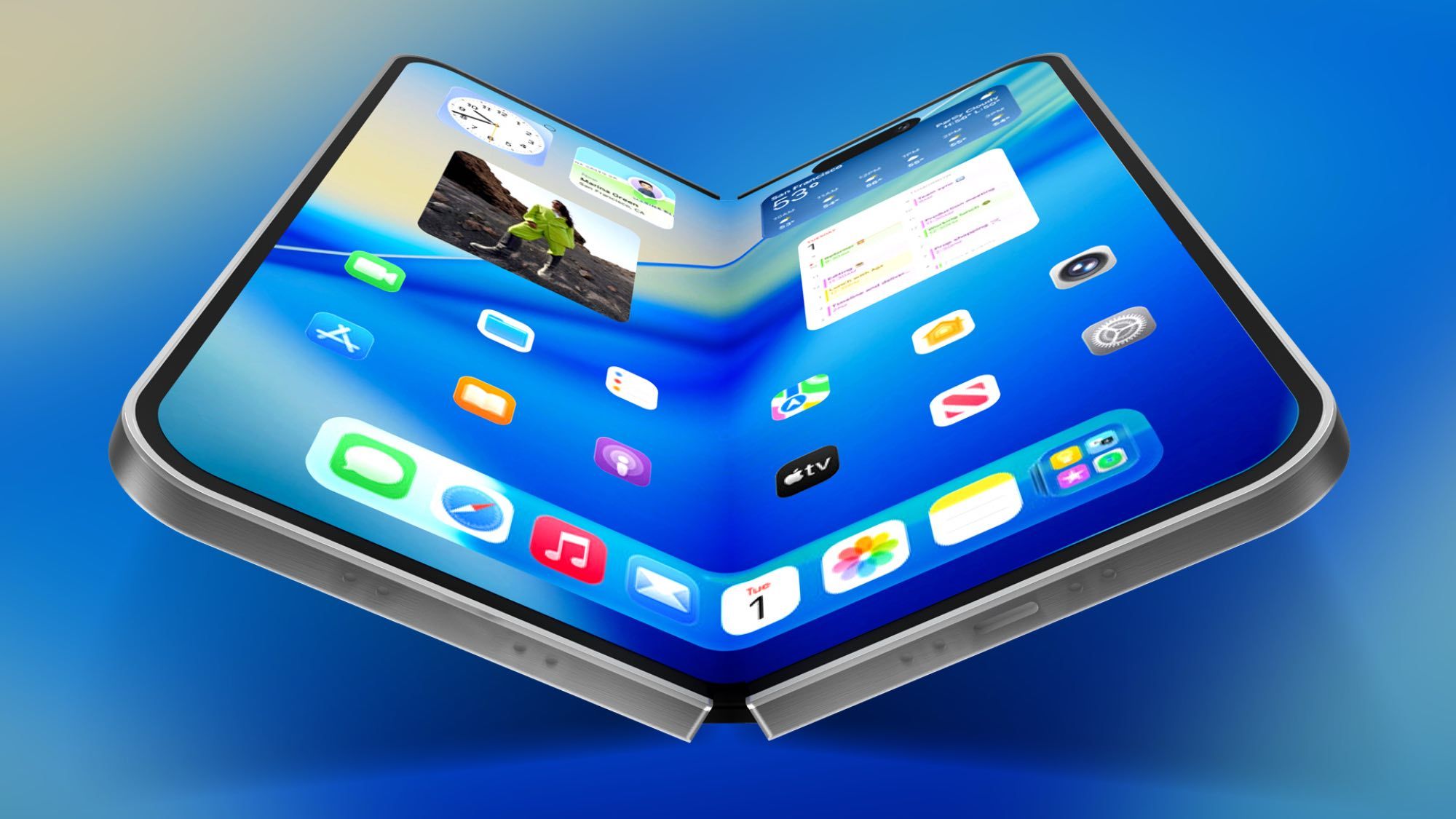
Apple's rumored iPhone Fold is expected to launch later this year with a reported price tag above $2,000, and Apple is said to be positioning it around four selling points: durability, performance, a crease-free display, and a larger iPad-style screen. The article argues that brand familiarity and the iPad analogy could help justify the device, but high pricing may limit consumer demand despite the foldable market already being validated by Samsung's Galaxy Z Fold line. This is commentary rather than a hard product announcement, so the likely market impact is limited.
The first-order takeaway is not that the foldable is bullish for Apple, but that it broadens Apple’s premium product ladder and could pull forward upgrade demand from the top 10-15% of the base. The more interesting second-order effect is channel mix: a $2,000 halo device can lift ASPs and attach rates across accessories, services, and financing, even if unit volumes stay niche. That said, if Apple frames the device primarily as an iPad-in-pocket, it risks cannibalizing some iPad Pro demand from users who were already marginal on tablet utility.
The competitive dynamic is more favorable to Apple’s ecosystem than to foldables broadly. Android foldables are likely to lose the “category leader” narrative premium once Apple enters, which can compress differentiation and force Samsung/Chinese OEMs into price or spec wars. The likely loser is not just handset share, but high-margin accessory and replacement cycles if Apple’s durability messaging resets consumer confidence and normalizes foldables as a mainstream premium form factor over 12-24 months.
The real risk is demand elasticity, not technology execution. At this price point, the launch can succeed on prestige and scarcity, but the failure mode is a Vision Pro-style spike followed by rapid demand exhaustion once early adopters are absorbed. Catalysts to watch are pre-order wait times, carrier subsidy intensity, and whether Apple offers aggressive trade-in/0% financing; those will tell us if the device is being sold as a product or financed as a status good.
Contrarian view: the market may be underestimating how little direct P&L impact a first-gen foldable has on AAPL, while overestimating its relevance to the stock. The equity case is more about optionality on ecosystem monetization than unit economics, so the near-term trade is likely in suppliers and Android foldable competitors, not the stock itself. If Apple overdelivers on durability and thinness, the positive read-through to consumer trust is broader than the device, but it likely takes several quarters to show up in mix rather than headline demand.
AI-powered research, real-time alerts, and portfolio analytics for institutional investors.
Request DemoOverall Sentiment
neutral
Sentiment Score
-0.05
Ticker Sentiment
