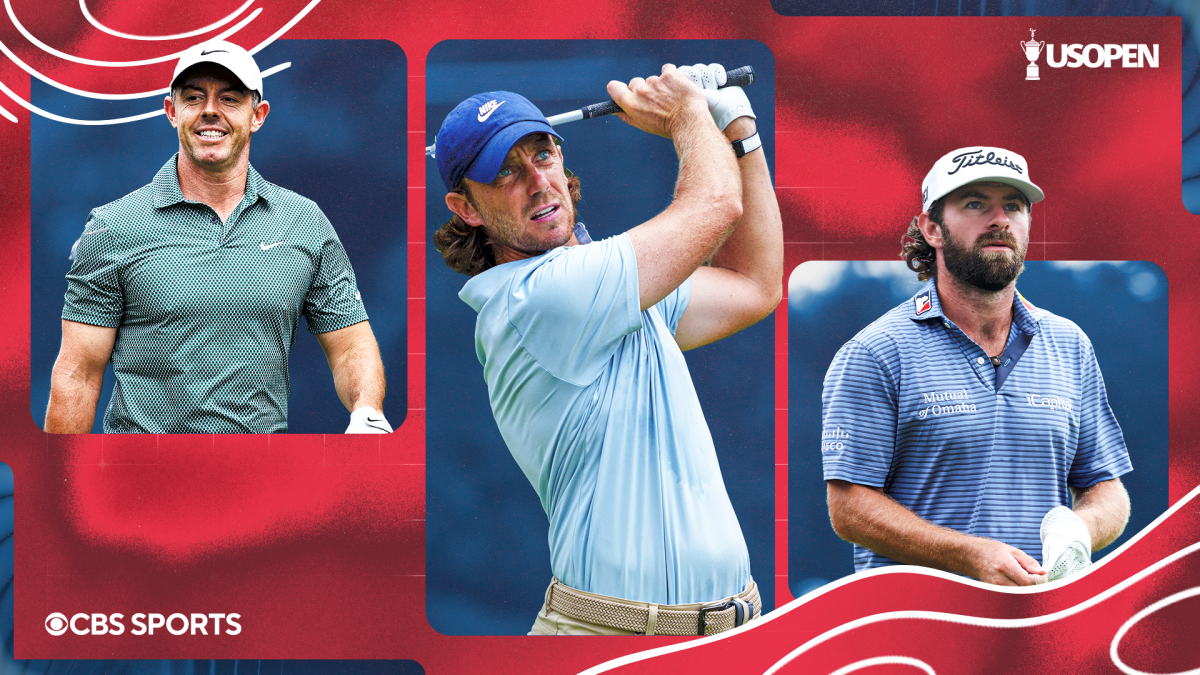
The article previews the 2026 U.S. Open at Shinnecock Hills and highlights key contenders, led by Scottie Scheffler at 6-1, Rory McIlroy at 12-1, and Jon Rahm at 15-1. It is largely a tournament outlook piece centered on golf betting odds and player form, not company-specific financial news. Expected market impact is minimal.
This is a sentiment event for the sports-media complex rather than a direct fundamental read-through to any single security. The real edge is in understanding that major championships create a short-lived but high-conviction demand spike for live, appointment viewing: broadcast reach, in-play wagering, social clips, and second-screen engagement all rise together when the leaderboard is volatile. That tends to favor names with monetization tied to live sports frictionless distribution more than pure event sponsors, because the upside comes from time spent and wagering intensity, not just brand impressions.
The second-order effect is on investor positioning in anything that benefits from “surprise winner” narratives. If the market leans too hard into obvious favorites, the better trade is often a barbell: own the platforms capturing the audience and the books collecting the handle, while fading any assumption that a single star-driven viewership thesis is enough to justify chasing premium valuations. A shocking outcome can actually be mildly bullish for the ecosystem because it extends the conversation window and produces more replay, clips, and debate content over the following 24-72 hours.
The contrarian risk is that the event’s commercial lift is usually overestimated and too ephemeral to matter for quarter-level fundamentals. Unless the tournament produces an especially dramatic finish or weather-related disruption, the monetization delta likely fades within days, while elevated expectations can leave media and gambling names vulnerable if handle or ratings fail to show an obvious step-up. The better risk/reward is therefore tactical rather than thematic: buy around the event window, not after consensus upgrades arrive.
AI-powered research, real-time alerts, and portfolio analytics for institutional investors.
Request DemoOverall Sentiment
neutral
Sentiment Score
0.05
