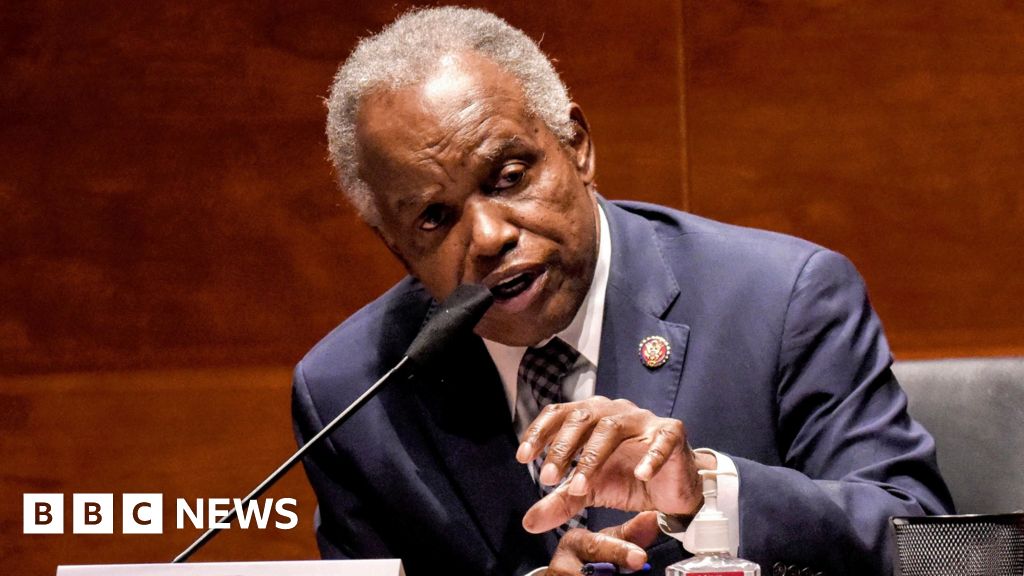
U.S. Rep. David Scott, 80, died a day after casting his final House vote, leaving Georgia's 13th District vacant and slightly tightening Republicans' narrow 217-212 House majority. No cause of death was disclosed; Georgia law requires the governor to call a special election within 10 days of the vacancy. The article is primarily political/newsworthy rather than market-moving, with only limited implications for the House balance and upcoming elections.
The near-term market impact is not the vacancy itself, but the sequencing risk it creates around a razor-thin House majority. A special election in a D+ district is likely to preserve the seat, but the gap between vacancy and replacement can still matter if leadership needs every vote for appropriations, reconciliation riders, or must-pass funding bills over the next 30-60 days. That increases tail risk for legislative logjams, which is mildly negative for domestic-policy-sensitive sectors that depend on federal clarity rather than federal spending levels.
The second-order effect is on governance optics and geriatric-risk premiums inside both parties. One more in-office death reinforces the market’s willingness to assign a higher probability to abrupt composition changes from health events rather than normal electoral turnover, which matters for any trade built on very tight procedural margins. The real beneficiary is procedural volatility: every unexpected vacancy raises the odds of short-lived shifts in committee leverage, floor scheduling, and bargaining power, even if the ultimate seat outcome is not in doubt.
Contrarian read: this is less about partisan control than about timeline compression. Investors tend to assume special elections are noise, but when the chamber margin is this tight, even a few weeks of vacancy can alter bill timing and investor positioning around healthcare, defense, and agriculture policy. The move is overdone only if the market starts pricing a durable shift in control; the better framing is a short-duration governance uncertainty premium that should fade once the special election is scheduled and candidate quality is known.
The cleanest trade expression is not directional politics, but a hedge against legislative delay and procedural churn. Expect the highest sensitivity in names exposed to federal procurement, regulation timing, or subsidy reauthorization, where a 1-2 month delay can matter more than the eventual outcome. If the special election calendar is accelerated and fundraising consolidates quickly, the uncertainty premium should decay fast; if not, expect repeated headline volatility into the election date.
AI-powered research, real-time alerts, and portfolio analytics for institutional investors.
Request TrialOverall Sentiment
neutral
Sentiment Score
-0.10
